

Dusk Foundation is often evaluated through the lens of regulation and institutional finance, but another equally important dimension sits closer to the ground: developer experience and application design under privacy constraints. This is where Dusk’s long-term thinking becomes especially visible.
Most blockchains are built around radical transparency. For developers, that means designing applications where every state change, balance, and interaction is public by default. Dusk forces a different mental model. Developers building on Dusk are not simply writing smart contracts; they are designing confidential systems where visibility is intentional, scoped, and provable. This fundamentally changes how applications are architected.
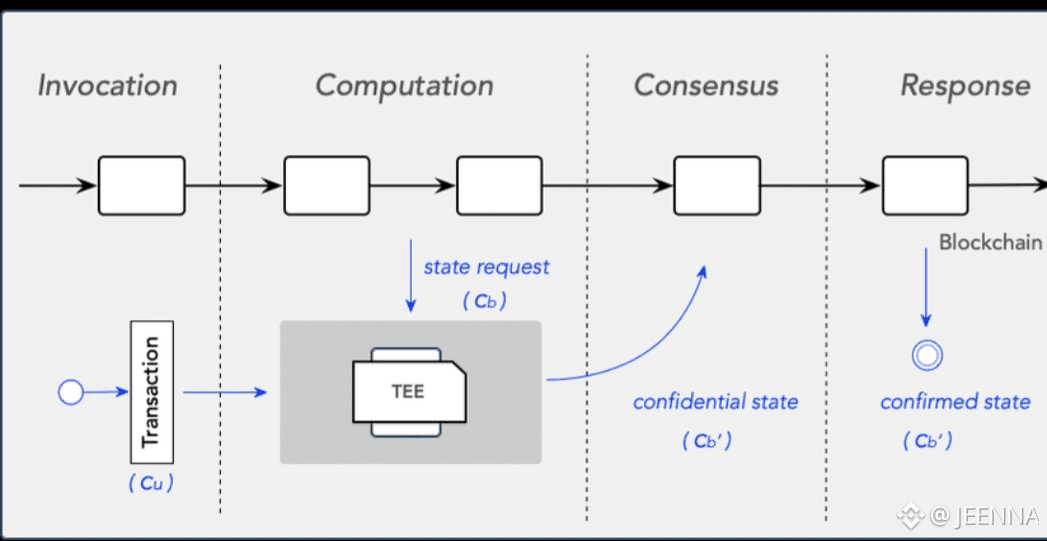
Dusk’s confidential smart contracts allow logic to execute while keeping sensitive data private, using zero-knowledge cryptography as a native primitive rather than an add-on. For developers, this removes the need for awkward workarounds such as off-chain computation, trusted intermediaries, or fragmented privacy layers. Instead, confidentiality is enforced at the protocol level, simplifying the overall system design.
Recent progress toward EVM compatibility is especially relevant here. By lowering the barrier for Ethereum developers to enter a confidential execution environment, Dusk is expanding its builder base without diluting its core guarantees. This is not about copying Ethereum; it is about translating familiar tooling into a privacy-first context. Developers can reuse patterns they understand while adapting to a more disciplined approach to data exposure.
This matters because real-world applications—especially in finance—are not built around public data. Consider funds, credit markets, payroll systems, or identity-linked financial products. These applications require granular access control, selective disclosure, and auditability without full transparency. Dusk enables developers to express these requirements directly in code, rather than bolting them on later.
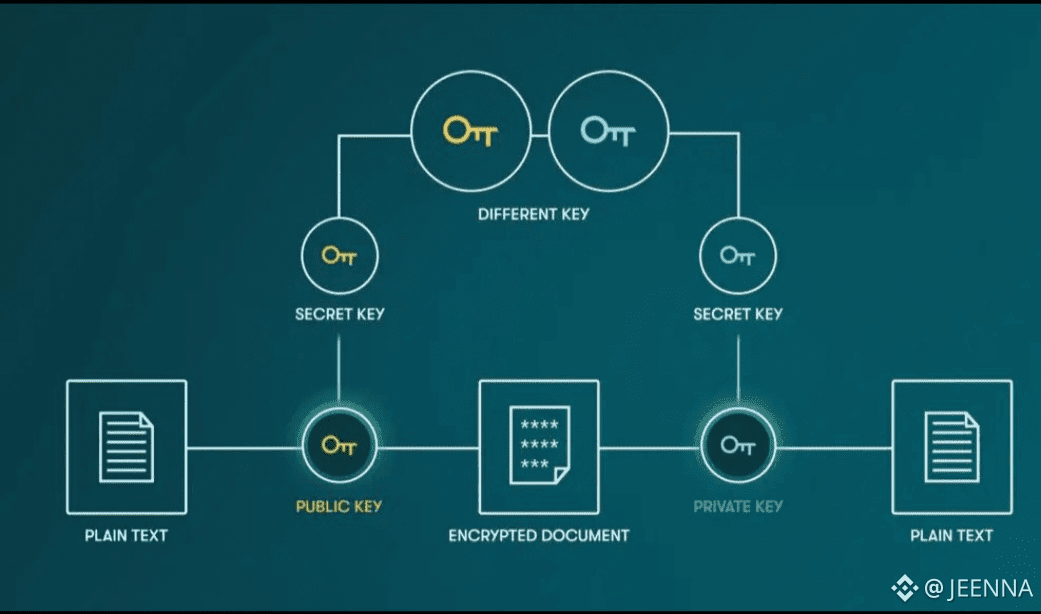
Another overlooked strength is how Dusk encourages application-level responsibility. When everything is public, developers often rely on transparency to compensate for weak design choices. In a confidential environment, assumptions must be explicit. Who can see this data? Under what conditions? How is compliance proven? Dusk’s architecture pushes developers to answer these questions early, resulting in more robust applications.
The ecosystem that forms around such constraints naturally looks different. Growth is slower, but quality is higher. Applications are less experimental and more purpose-built. This aligns with Dusk’s broader mission: serving builders who are solving real problems under real constraints, not chasing novelty for its own sake.
From a tooling perspective, Dusk’s focus on correctness, documentation, and predictable execution is deliberate. Confidential computation leaves little room for ambiguity. Bugs are harder to detect when data is private, which is why protocol stability and clear developer frameworks are essential. Dusk prioritizes these fundamentals over rapid iteration, reflecting an understanding of its target audience.
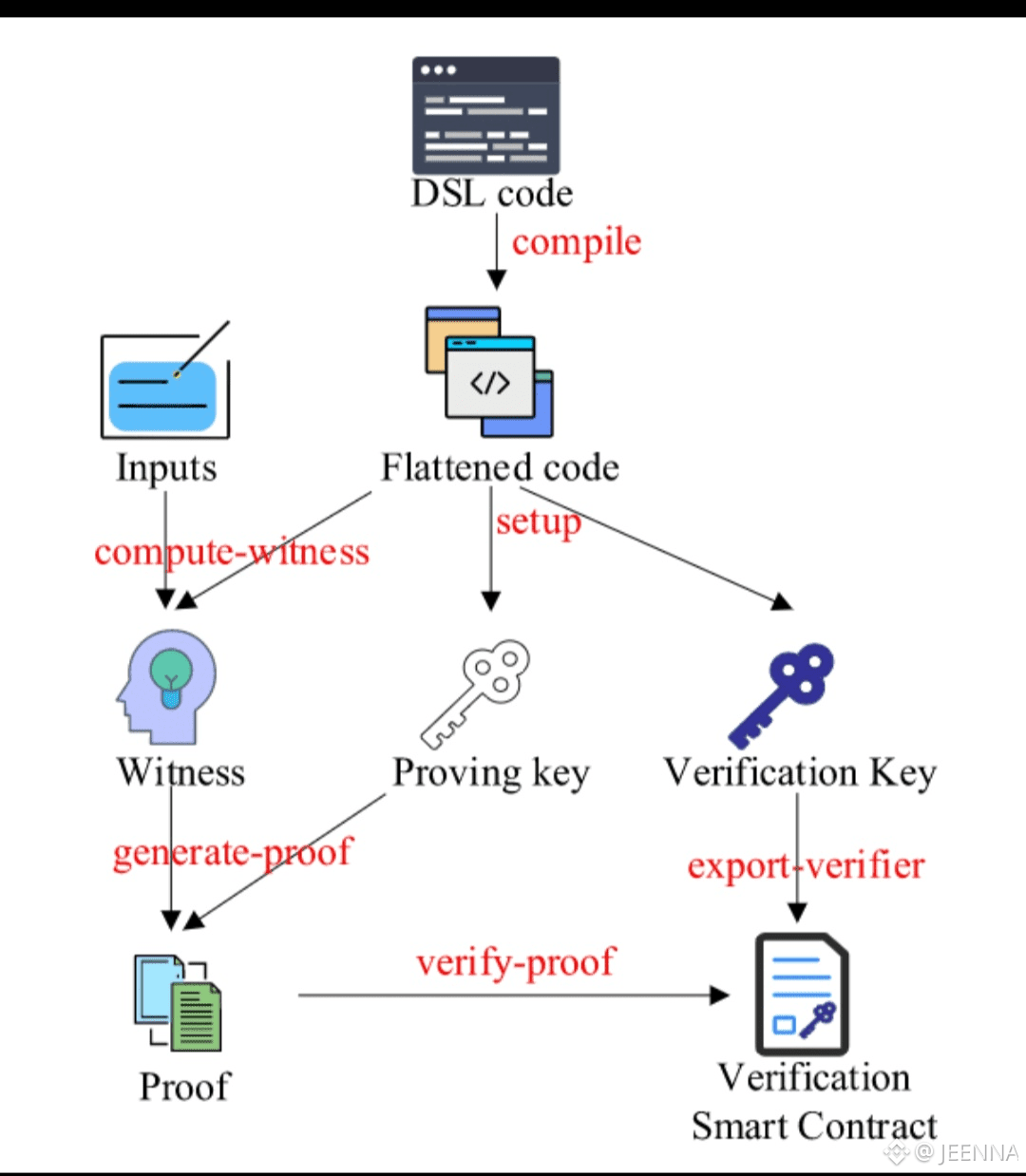
This developer-centric angle also explains why Dusk does not aggressively market consumer applications. The network is optimizing for foundational software—the kind that other teams build on quietly. When successful, the end user may never know Dusk is involved, much like traditional financial infrastructure operates today.
As privacy regulations tighten and on-chain applications move closer to real-world deployment, developer experience under compliance constraints will become a competitive differentiator. Blockchains that treat privacy as a feature will struggle. Those that treat it as a design principle will endure.
Dusk is betting that the next generation of builders will need more than composability and speed. They will need control, discretion, and provability—all at once. By shaping its developer environment around these needs, Dusk is positioning itself not just as a protocol, but as a long-term platform for serious application builders.