
Walrus is making the case in the decentralized data space in a different way, one where they concentrate less on the noise in the data and more on the infrastructure in the long run. At the end of the day, the main purpose of the @walrusprotocol is to solve a problem that most blockchains have not yet been able to solve, and that is the storage and management of a lot of data in a decentralized, verifiable, and efficient way.
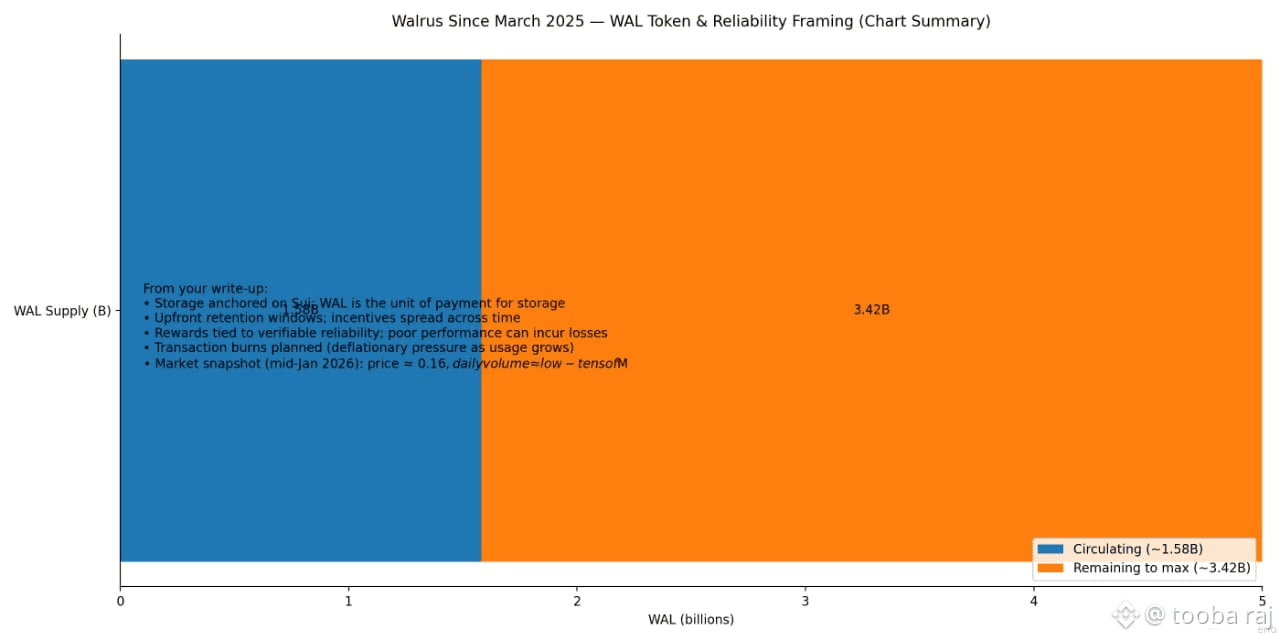
What's so interesting about this solution, however, is the way in which Walrus incentivizes all the parts involved, that being the data users, data builders, as well as data storage. This protocol allows data not only to be stored but to be accessible and resistant to tampering. This has become crucial with the growing need for more complex blockchain applications with a semi-on-chain data layer.
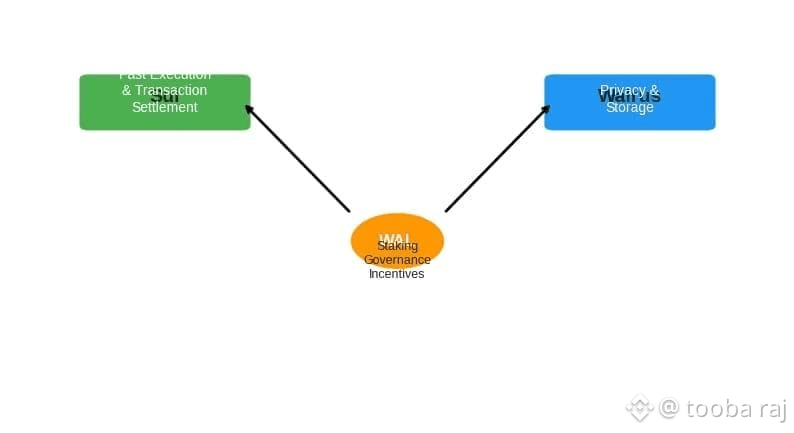
The involvement of $WAL in this environment extends well beyond the concept of the utility token. It is also an instrument for acting as a coordinator, facilitating the securing of the network, the encouragement of honest participation, and the economic model for the concept of the storage network. The involvement of Walrus continues to serve as the infrastructure and not a fad.
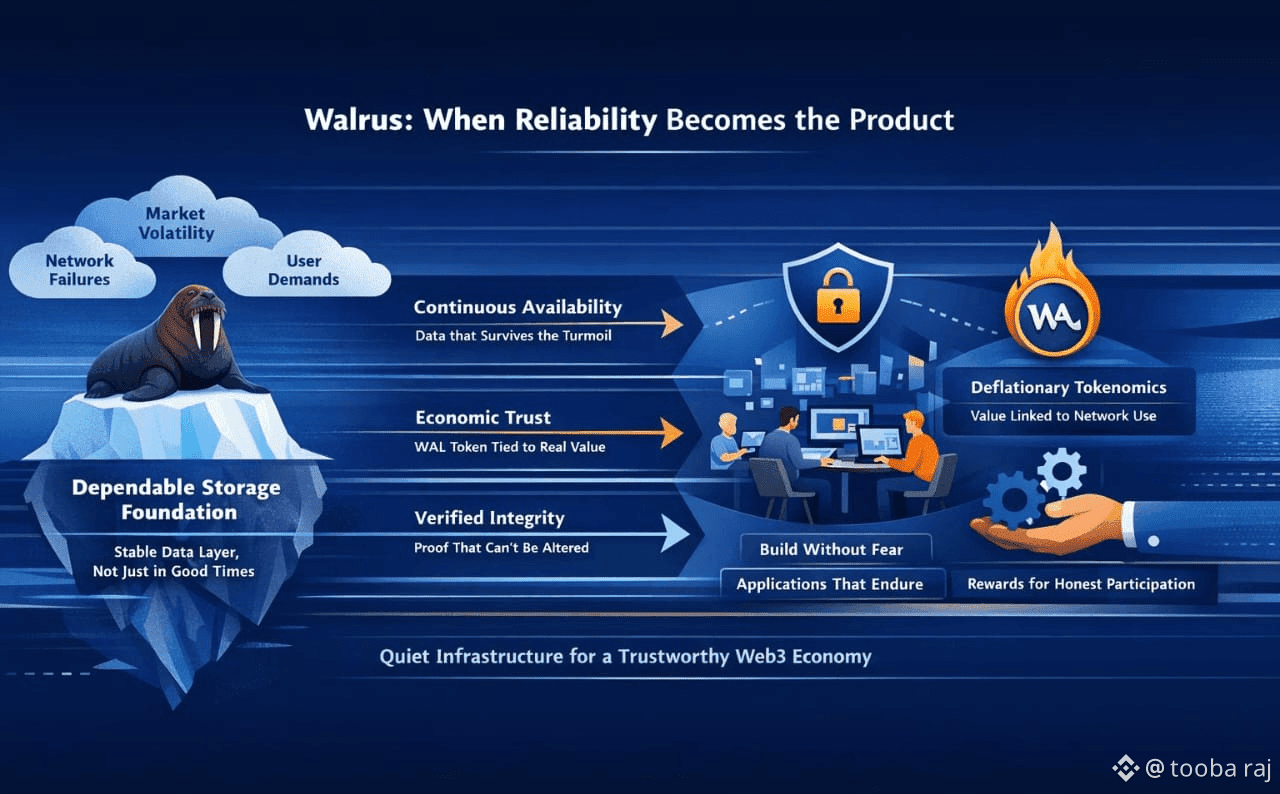
Yet in the market that is so often speculative in nature, Walrus is a constant that seems to serve as a “shaper of perceptions” and is “specifically designed to remind people that good protocols don’t happen quickly.” Its emphasis on data integrity and utility is what seems to make the project so “forward thinking.”