

I’ve spent years watching Web3 trends flare up and fizzle out, and if there’s one thing I’m sure of, it’s this: tech only sticks around when it actually solves a real problem. Sure, price swings get people talking for a while, but the basics the fundamentals decide who survives when the hype dies down. That’s why Walrus caught my attention. In a space obsessed with decentralization, everyone keeps missing a huge weak spot: how we actually store, share, and protect data.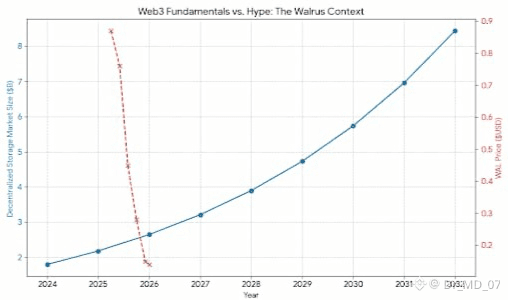
Web3 talks a big game about ownership and freedom from censorship, but most so-called decentralized apps? They’re still leaning on shaky, half-centralized data solutions. User info, app states, even NFTs you’d be surprised how often they depend on storage that’s either slow, risky, or just not private. As a trader, I see this not just as a tech hiccup, but as a structural flaw in the whole Web3 stack. Walrus steps right into this gap.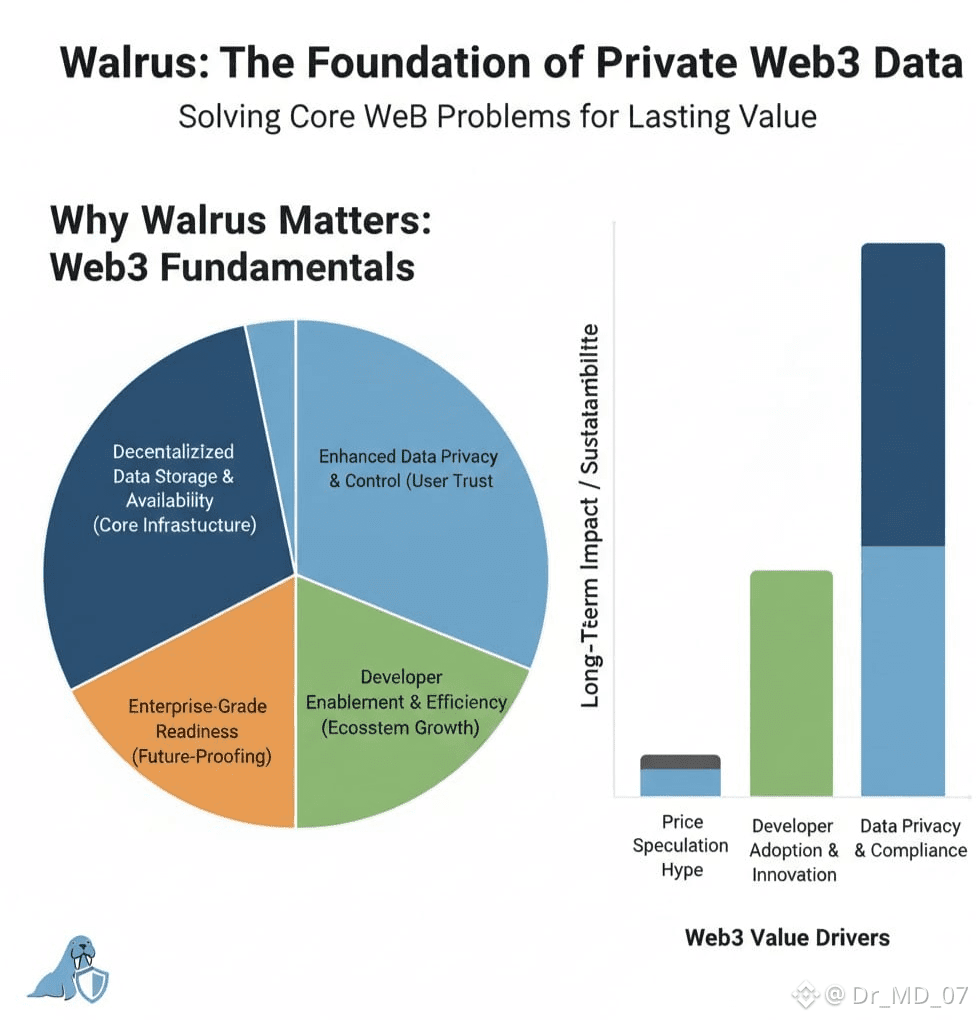
What’s Walrus actually do? It zeroes in on decentralized data storage and availability, but not as an afterthought this is core infrastructure for Web3-native apps. That’s a big deal. Blockchains just aren’t built to handle tons of data, and the apps people actually use DeFi dashboards, games, anything with AI need fast, reliable access to information. Walrus treats data as a first-class citizen, not just something you tack on at the end.
Now, let’s talk privacy super relevant right now. Everywhere you look, data laws are tightening. People care more than ever about what happens to their information. Web3 users want transparency, but they don’t want to give up control or put everything out in the open. Walrus gets this. It lets apps manage what’s available without dumping sensitive data onto a public blockchain for anyone to see.
As a trader, I always pay attention to the story before I stare at the charts. Data privacy isn’t some niche thing anymore; it’s a full-blown trend hitting everything from AI to digital identity. Walrus fits right into this shift. It’s not fighting for the spotlight against big Layer 1 blockchains. Instead, it’s filling a real infrastructure need, the kind that quietly becomes essential behind the scenes. The “plumbing” of the ecosystem, honestly, is where real value tends to grow, even if it’s not flashy at first.
There’s another angle here too developers. In crypto, developers come first. If they build, users follow. Walrus is designed so builders can plug it into their projects without having to invent their own data storage from scratch. That saves time and lowers risk, which means ecosystems can grow faster. Traders don’t always notice this right away, but it ends up being a huge driver of long-term value.
Speculation and wild price moves? They’ll always be around. But real, lasting growth comes when people actually use the thing. If Walrus becomes the go-to for Web3 data, demand grows naturally. That’s the kind of demand that sticks around, especially when the market turns cold and hype fades away.
I’m not blind to the risks. Decentralized storage has plenty of competition, and a lot of people still don’t get why data availability matters. Education’s a hurdle. But markets reward the ones who tackle big problems early. In my experience, being early feels uncomfortable but that’s usually where the best opportunities show up.
Timing helps too. Web3 isn’t just experimental playgrounds anymore; it’s moving toward serious, enterprise-grade stuff. Those projects can’t mess around with data loss or privacy failures. The infrastructure that supports this next chapter will matter more and more.
Final Thought
For me, Walrus isn’t just another speculative token. It’s a bet on where Web3 is really heading. As data privacy shifts from a nice-to-have to a must-have, projects like Walrus become strategically important. The market might be slow to wake up, but sooner or later, the basics win. If you care about what lasts after the hype, Walrus is a perfect example of why good infrastructure stories eventually matter most.

