Most systems tolerate delay.
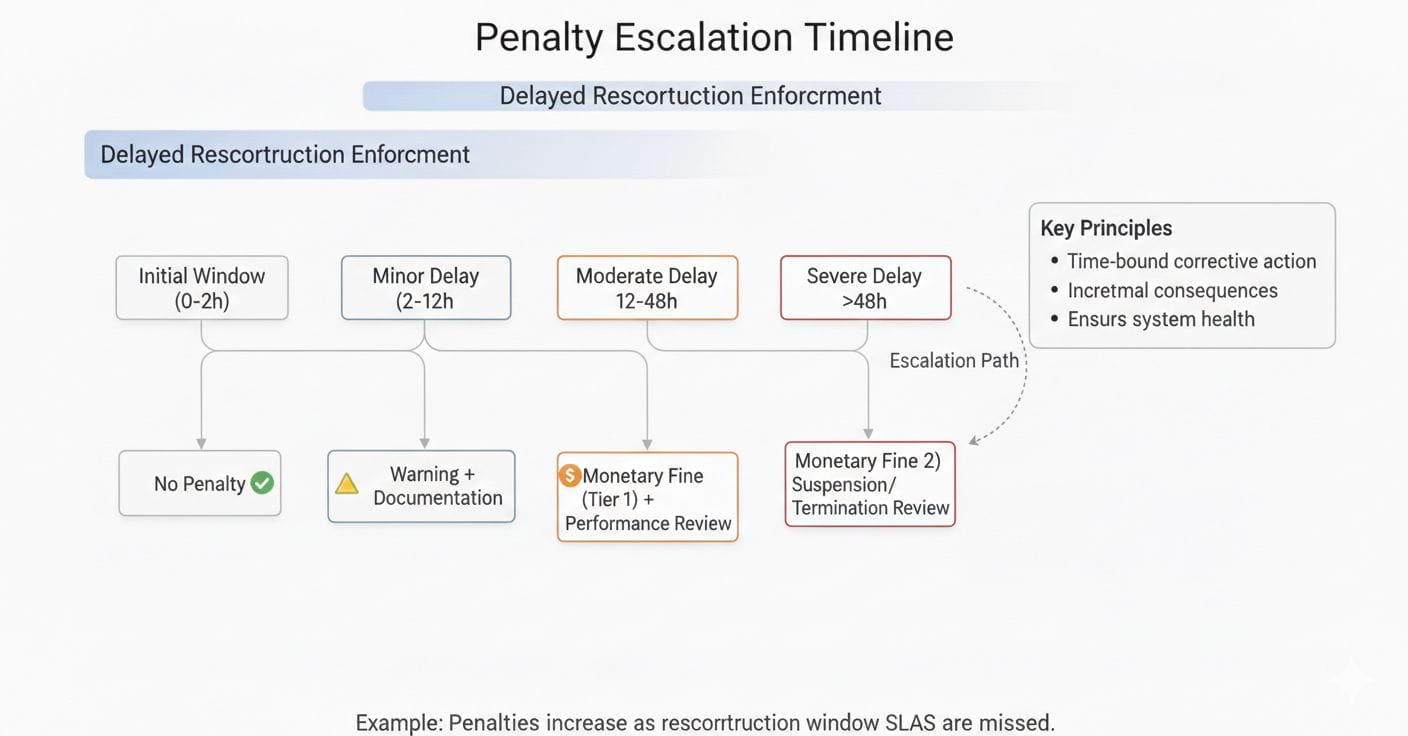
Walrus prices it.
The moment reconstruction drifts too far behind serving, WAL turns “eventually” into a cost. Operators feel it first. Users never should. That separation is deliberate.
Picture a trading platform during a volatility spike.
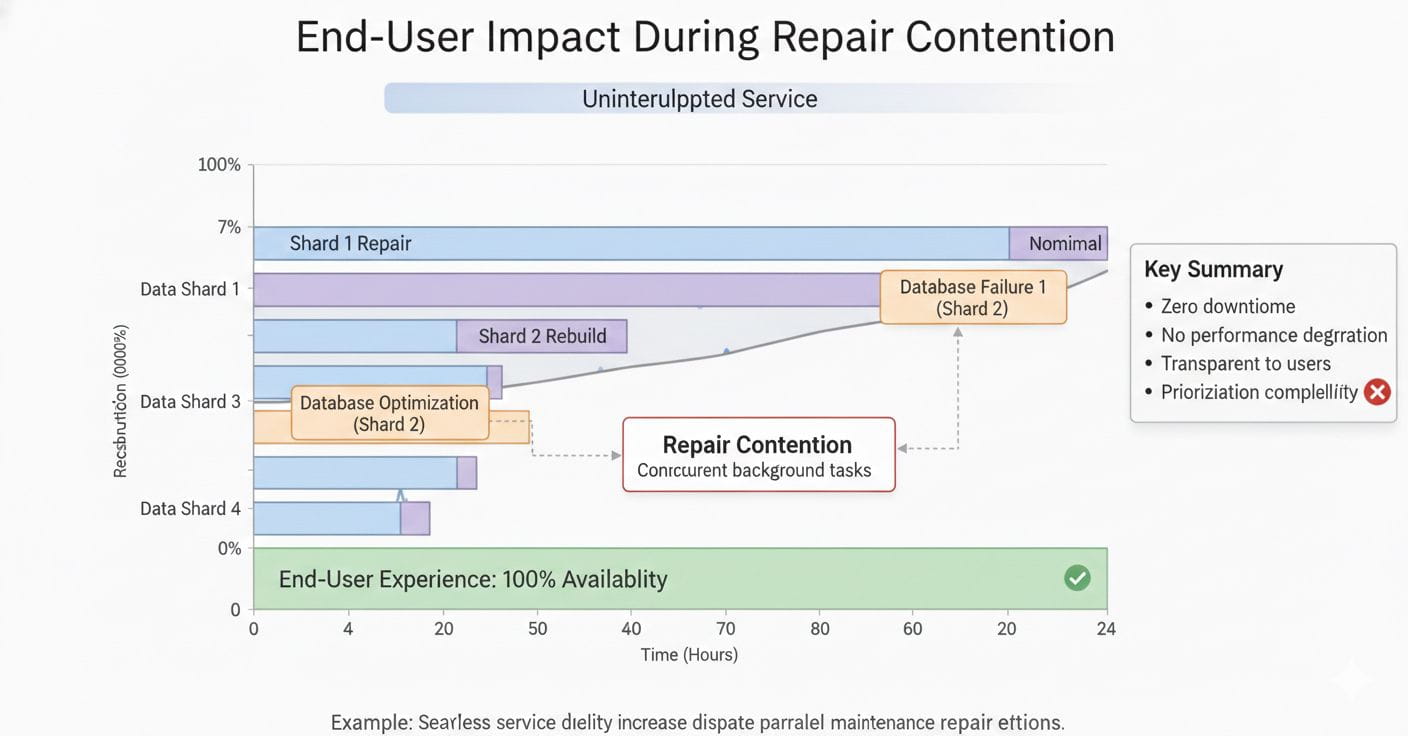
Reads surge. Nodes rotate. Reconstruction overlaps peak demand. WAL prevents recovery from being postponed into tomorrow’s cleanup. Shards rebuild within seconds even with one-third of operators offline. Trades settle. Records persist. Nobody notices the margin.
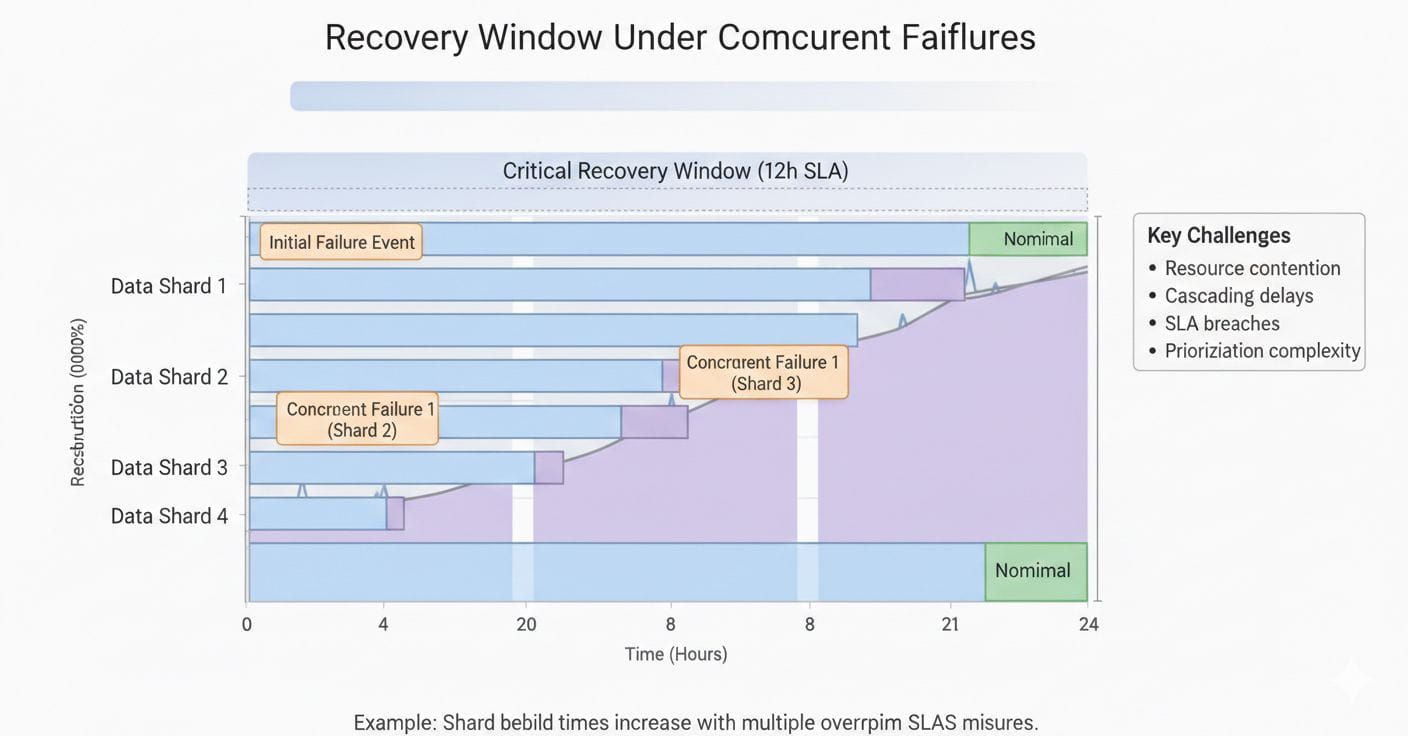
This works because WAL backs obligation with enforcement.
No stake means no place for penalties to land. No penalties means “mostly fine” becomes acceptable. Walrus removes that escape hatch.
Delegation decides who absorbs pressure when failures stack.
Concentration shows itself only under stress. WAL does not care what you intended. It measures outcomes.
Privacy tightens the loop.
Nodes do not know what they are serving. They know what they owe. Content-addressable IDs route recovery automatically. Reconstruction is not luck. It is math held in place by incentives.
Developers feel the payoff later.
When audits find nothing missing. When users never lose state. When peak traffic does not expose weak weeks in the past.
Availability on Walrus does not make promises.
It enforces deadlines.