

Why Decentralized Storage Matters Today
In the era of Web3 and AI, traditional blockchain networks struggle with storing large data files such as videos, NFT media, or AI training datasets. Blockchains are optimized for small, verifiable transactions, not gigabytes or terabytes of unstructured content. Walrus Protocol was specifically designed to solve this challenge by creating a decentralized, programmable storage network that integrates tightly with the Sui blockchain. At its core, Walrus turns storage into an on-chain asset that can be managed, verified, and programmed through smart contracts, changing how data is treated in decentralized applications.
Core Architecture — Combining Erasure Coding with Blockchain Coordination
Walrus’s most important technical innovation lies in how it stores data. Instead of relying on full replication (every node storing every file), Walrus uses a modern erasure coding technique called RedStuff, which breaks large files into many smaller “slivers.” These slivers are distributed across independent storage nodes. Only a subset of those slivers is needed to reconstruct the entire file, meaning the protocol can tolerate many node failures without losing data. Crucially, Walrus keeps the replication factor low (about 4–5x), which helps reduce storage costs dramatically when compared to traditional replication methods.
Walrus leverages the Sui blockchain for metadata, coordination, and verification. Every stored object is represented as a Sui object, meaning developers and applications can reference it directly within smart contracts. This deep integration allows users to extend storage times, check data availability, or even delete data through programmable logic — something impossible on most decentralized storage networks.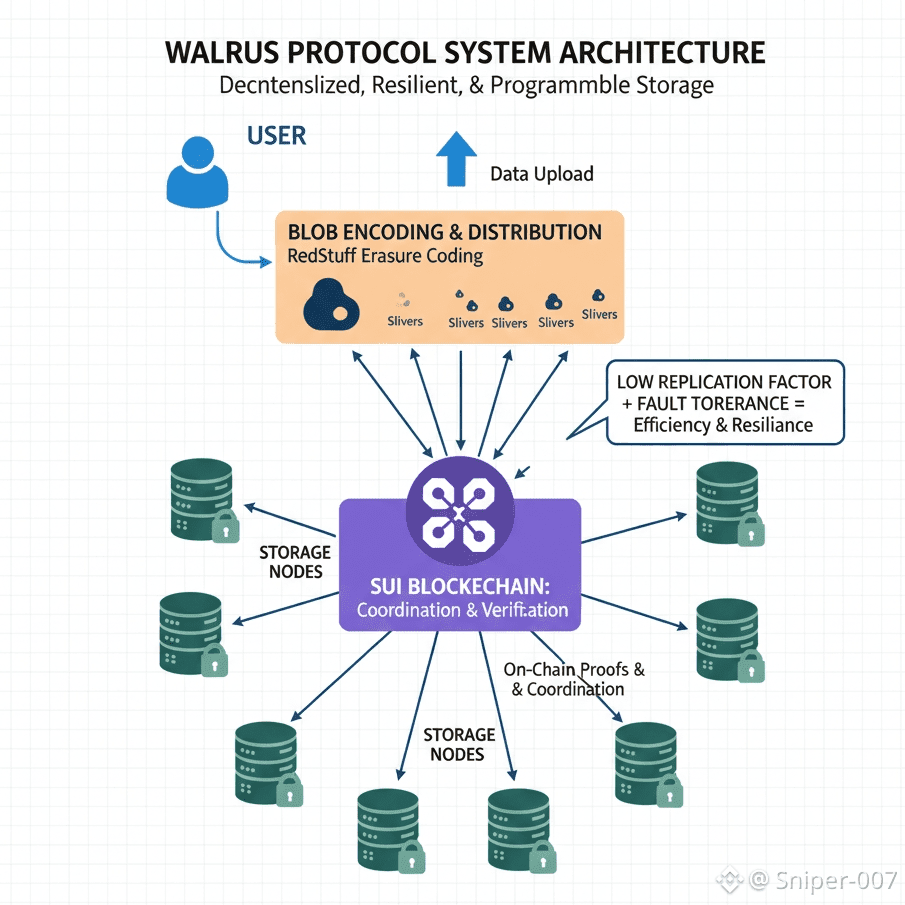
Blob Storage and Data Availability
At the center of Walrus’s functionality is blob storage — binary large objects such as videos or datasets. When a blob is uploaded, the protocol encodes the file into slivers and distributes them among nodes. Each sliver is verified periodically through on-chain availability proofs, which means any application can prove whether data is still accessible without downloading it. This is critical for high-trust applications that depend on data integrity.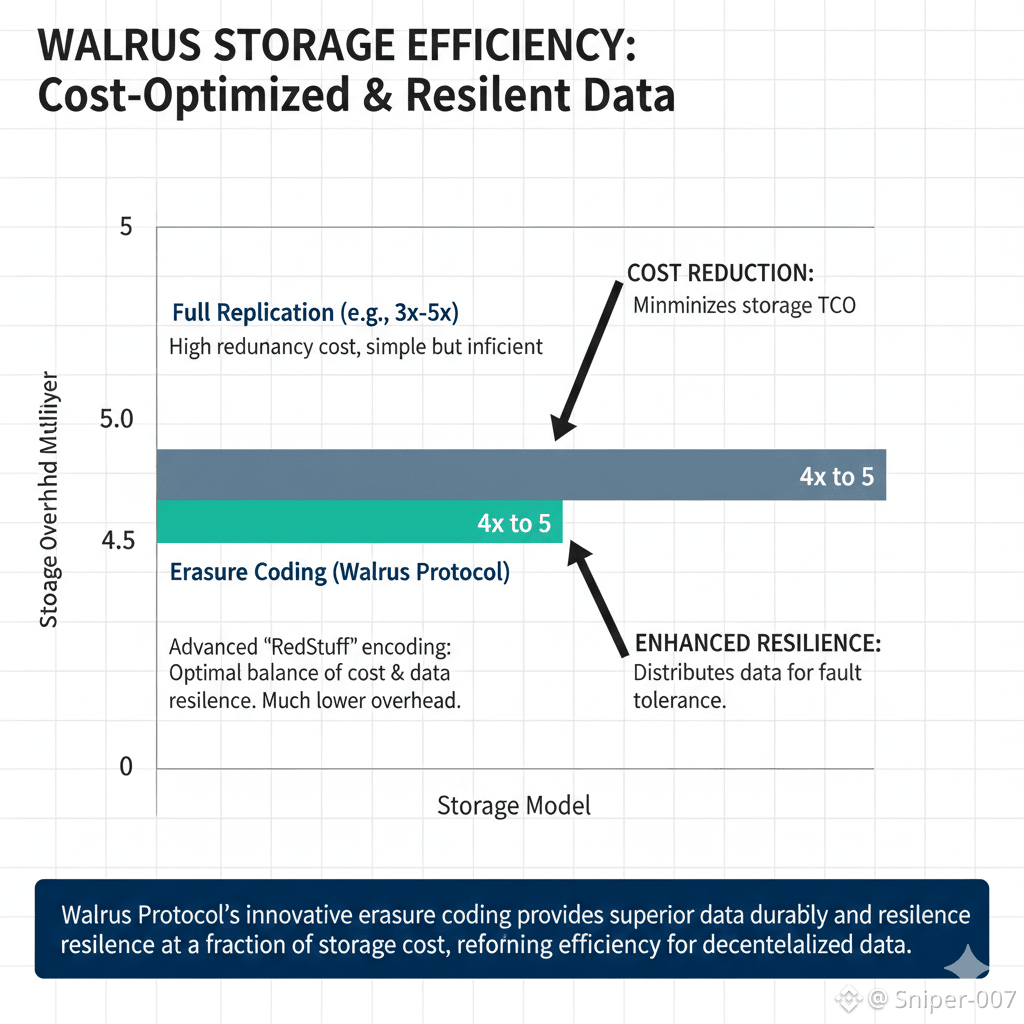
Because the system is designed to survive Byzantine faults (where nodes can act unpredictably or maliciously), Walrus can maintain availability even if a large portion of storage nodes goes offline or behaves badly. Integration with Sui’s Move smart contract language lets developers embed storage conditions directly into application logic, from conditional deletion to automated backups and data rotation.
Developer Tools and Integrations
#walrus provides a suite of tools for developers, including command-line interfaces (CLI), SDKs, and standard Web2 HTTP APIs. These tools ensure that both Web2 and Web3 developers can integrate decentralized storage into their applications without major architectural changes. Walrus can also work with traditional content delivery networks (CDNs) and caching layers to enhance performance while maintaining decentralization.
Developers building on Sui can use Walrus to host full decentralized frontends, creating Web3 applications that do not rely on centralized servers for assets like HTML, CSS, and JavaScript. This means entire applications can become truly decentralized, serving both logic and data from a distributed network.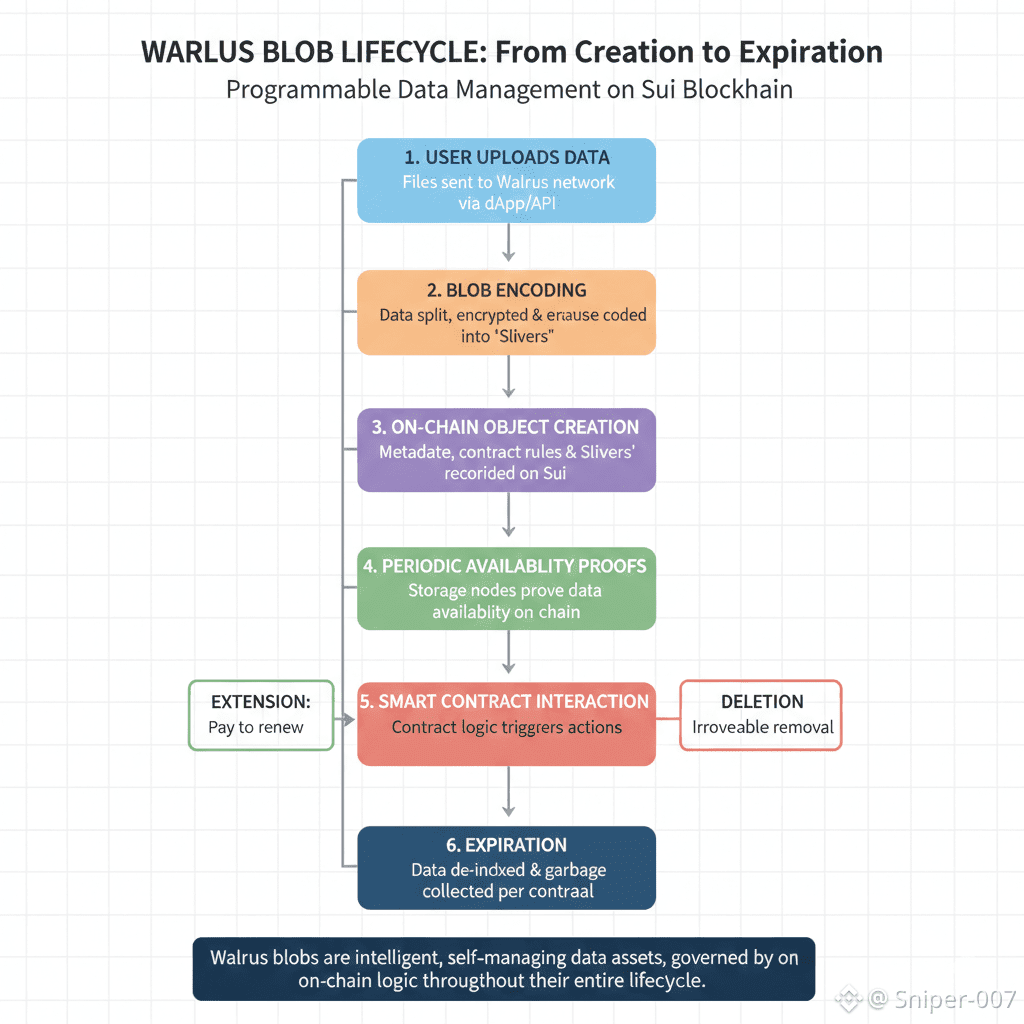
Conclusion — Storage as a Blockchain Native Primitive
@Walrus 🦭/acc is more than just decentralized storage. It transforms storage into a blockchain native primitive that developers can interact with as they would with tokens or on-chain state. By combining efficient encoding, fault tolerance, and seamless smart contract integration, $WAL enables new classes of applications — from decentralized AI datasets to NFT media platforms. Its architecture makes data both verifiable and programmable, aligning storage with the wider goals of Web3 innovation.

