
Dusk Foundation has taken a big step forward with the latest evolution of its Web Wallet, and what really stands out to me is how natural everything feels now. The technology underneath is still heavy with zero knowledge proofs and compliance logic, but the experience on the surface feels calm and responsive. I keep coming back to the idea that this version finally makes privacy driven blockchain tools feel usable for everyday people while still meeting institutional needs. In this breakdown, i walk through what changed in Wallet 2.0, how the system was reworked behind the scenes, what users actually notice on the frontend, how it connects to the wider Dusk stack, what the results look like so far, and where things could go next.
Rethinking the Wallet Experience From the Ground Up
Wallet 2.0 arrived toward the end of 2025 with a clear goal of removing friction. The guiding idea was simple but ambitious. Privacy should not slow anything down. Instead of forcing users to wait while cryptographic work happens, the new version moves those operations out of sight so the interface stays responsive.
This release fixed many of the earlier pain points like long sync times and stalled proof generation. The architecture was broken into cleaner modules, which also prepares the wallet for future additions like deeper identity tooling and dashboards for real world assets. Updated cryptographic bindings now support private staking and governance actions without constant reloads. From my point of view, the biggest win is how easy it feels to switch between public and shielded actions with a single choice rather than a complex setup.
Performance Gains Hidden Behind the Screen
Most of the heavy lifting now happens quietly in the background. Tasks such as proof generation and hashing no longer block the main interface, which means clicks and screens respond instantly. I noticed that even when complex operations are running, the wallet never feels frozen.
Smart caching plays a big role too. Recent proofs and chain data are stored locally, which allows previews even when connectivity is unstable and reduces the number of network calls. Network messaging improvements help the wallet keep up with high transaction rates on everyday hardware without draining system resources.
There has also been a noticeable improvement on mobile browsers. Reduced background polling helps save battery life, and optimized cryptographic routines speed things up significantly. All of this adds up to an experience where performance fades into the background, which is exactly what i want from a wallet.
Visual and Interaction Improvements That Matter
On the surface, Wallet 2.0 looks cleaner and more deliberate. Layouts resize smoothly without jumping when data loads, which makes the dashboard feel stable. Asset views present useful summaries without revealing sensitive information, helping users understand their positions at a glance.
Wallet setup has become far more forgiving. Recovery phrases can be managed visually, dragged into place, or backed up using codes, which greatly reduces setup mistakes. Small touches like theme options, subtle feedback on actions, and better accessibility support show that the team paid attention to how different people interact with the interface.
Governance screens are also easier to understand. Instead of walls of text, progress indicators show quorum and voting power, and delegation steps are explained in plain language. I find that this makes participation feel less intimidating and more approachable.
One Interface Tied Into the Entire Dusk Stack
Wallet 2.0 feels less like a standalone tool and more like an operating layer for the Dusk ecosystem. Identity attestations are pulled in automatically when needed, so compliant applications can be accessed without repeating steps. Contract interactions preview what will happen before execution, even when those actions are fully private.
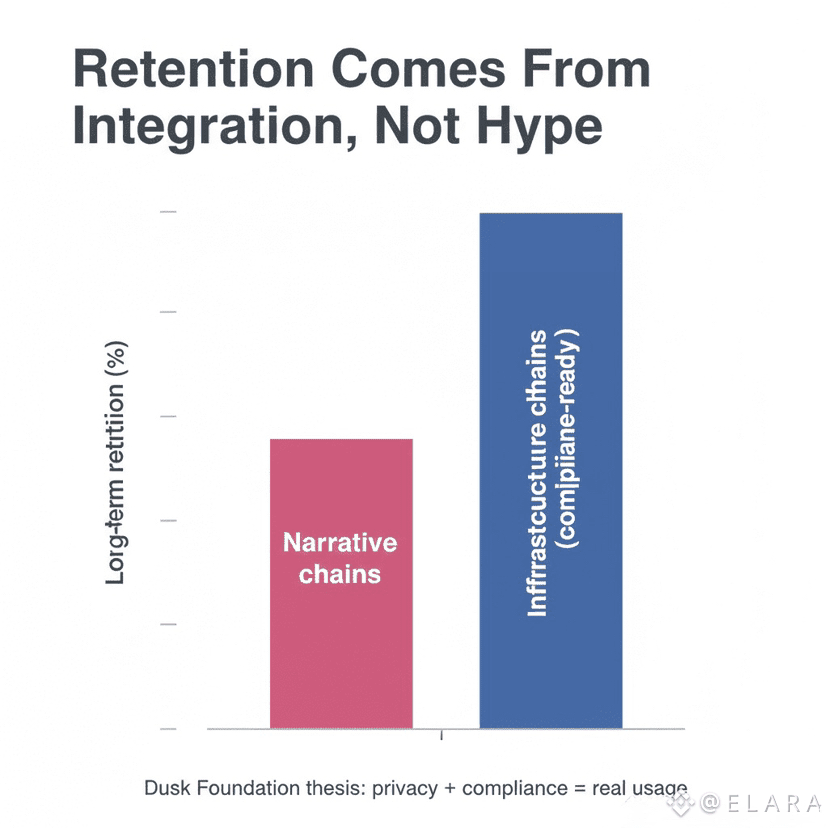 Secure custody options for institutional users are integrated directly, and asset portals display pricing and verification details without exposing balances. From staking to voting to interacting with tokenized assets, everything happens in one place. To me, this is where the wallet really proves its value as more than just a place to store tokens.
Measuring the Impact So Far
Since the upgrade, usage metrics tell a clear story. Daily activity increased sharply, and private transaction volume jumped as users became more comfortable with shielded features. Load times dropped to near instant levels, and feedback scores suggest people are actually enjoying the experience.
Security reviews confirmed that the improvements did not introduce new risks, which is important given how much logic runs client side. What i take away from this is that better performance and clearer design directly translate into higher trust and engagement.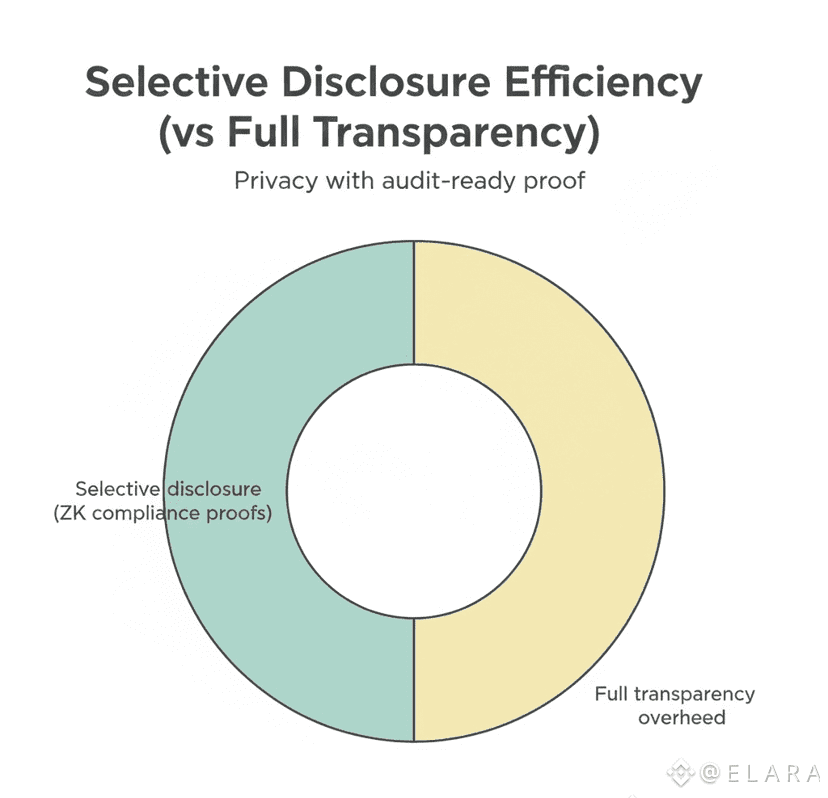
Looking Ahead at What Could Come Next
Future plans point toward even more flexibility. A mobile friendly version that works offline is in progress, along with guided simulations that help users understand transactions before they sign. There are also plans to preview interactions with other layers and networks so users can see outcomes before committing.
When i step back, Wallet 2.0 feels like a turning point. Instead of asking users to adapt to blockchain complexity, the wallet adapts to them. Privacy and compliance are still there, just no longer in the way. If this direction continues, the biggest question may not be whether people can use private and regulated finance, but what they will choose to build once the tools finally feel effortless.