Introduction: A New Era for Bitcoin
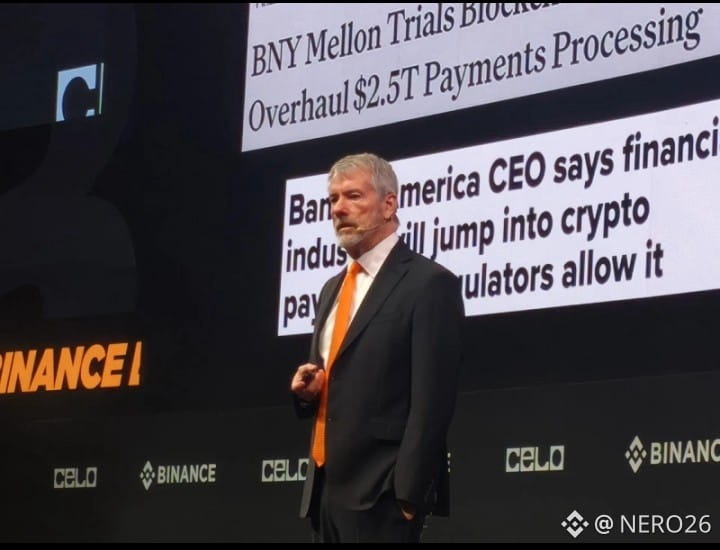
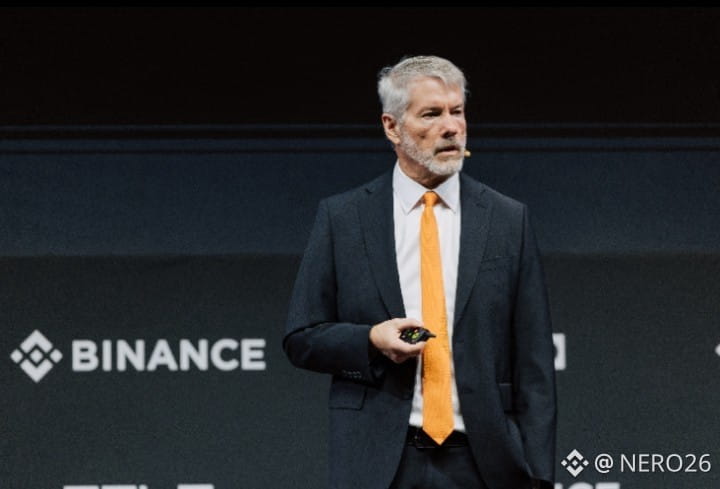
In a recent presentation at Binance Blockchain Week, Michael Saylor — renowned Bitcoin advocate and executive chairman of Strategy (formerly MicroStrategy) — laid out his comprehensive view on why Bitcoin isn’t just digital gold anymore but is becoming the fundamental capital of the new digital economy.�
YouTube +1
Saylor argues that Bitcoin’s role is evolving: from a speculative store of value into the backbone of digital finance, digital credit, and global capital markets.�
YouTube
1. Bitcoin as “Digital Capital”
Saylor defines Bitcoin not merely as an investment asset but as digital capital — the underlying foundation upon which future financial systems will be built. In this framework:
Digital Currency refers to Bitcoin’s role in everyday transactions.
Digital Finance includes banking, lending, and financial products built on blockchain.
Digital Credit is the expansion of traditional credit systems powered by Bitcoin’s scarcity and liquidity.�
YouTube +1
This shifts Bitcoin’s narrative from “digital gold” (a passive store of value) to a dynamic, fundamental building block of tomorrow’s financial infrastructure.�
ODaily
2. Changing Policy and Institutional Support
Saylor highlights a dramatic shift in U.S. regulatory and institutional attitudes toward Bitcoin:
U.S. policy has moved to embrace crypto, including Bitcoin custody, banking, and lending frameworks.
Major financial institutions such as BNY Mellon, JPMorgan, Vanguard, and others are increasingly supportive of Bitcoin-related products.
The success of Bitcoin ETFs (like BlackRock’s IBIT) demonstrates mainstream adoption and confidence.�
YouTube +1
These developments, he argues, help move Bitcoin from niche adoption to global capital market relevance.�
3. Bitcoin’s Unique Market Strengths
Bitcoin’s infrastructure and global footprint set it apart as a digital asset:
High energy and computing security layers make the Bitcoin network resilient and trusted.
Extensive liquidity and widespread trading venues underscore its dominance in crypto markets.
Bitcoin’s decentralized nature preserves freedom from censorship and geopolitical control.�
YouTube
Saylor stresses that this combination of security, liquidity, and decentralization makes Bitcoin uniquely suited to be a foundation asset for the digital economy.�
4. Strategy’s Role: From Software to Bitcoin Treasury
Saylor’s company, Strategy (formerly MicroStrategy), exemplifies his philosophy in action. Once a software firm, the company repositioned itself as a Bitcoin treasury company, with massive Bitcoin holdings serving as core capital.�
Wikipedia
This strategic shift has reshaped its financial model — the company now funds business growth and financial products through Bitcoin rather than traditional equity or bonds.�
ODaily
5. Digital Credit and Yield
A key part of the video is Saylor’s explanation of digital credit products — financial instruments leveraging Bitcoin as a base asset. These products aim to:
Compete with traditional banking interest rates.
Provide global, liquid, and transparent credit.
Offer returns based on Bitcoin’s performance and structural scarcity.
This perspective positions Bitcoin as a source of yield and credit creation, not just a passive store of wealth.�
ODaily
6. Why Bitcoin Matters Long-Term
Saylor underscores several enduring traits that make Bitcoin compelling for the future:
Finite supply: Bitcoin has a capped supply of 21 million coins, guarding against inflation.�
Finst
Decentralization: No central authority controls Bitcoin’s issuance or ledger, reducing systemic risk.�
Finst
Adoption momentum: With increasing institutional backing and financial products, adoption is broadening beyond retail investors.�
These characteristics combine to make Bitcoin not just an investment choice, but a transformative economic force.�
Finst
Conclusion: The Next Chapter for Bitcoin
Michael Saylor’s message is clear: Bitcoin is evolving into a foundational asset class — one that supports new forms of digital capital, credit markets, and financial systems. From policy trends to institutional adoption and Bitcoin-based financial engineering, the landscape is rapidly shifting in favor of Bitcoin as a core pillar of the future economy.�
YouTube +1
Whether you’re a seasoned investor or curious beginner, Saylor’s insights provide a strategic framework for understanding how Bitcoin may shape global finance in the decades to come.�
If you want, I can tailor this into a shorter news-style article, a blog post, or a summary in another language (like Bengali). Just let me know!$BTC