

I have spent years in this industry to get a bad feeling whenever I hear people talk about Full EVM Compatibility. It usually means someone is trying to sell me an idea that has been done before. They want to make another place where developers can build the things we have already seen like lending protocols and NFT marketplaces that are not very good. So when I started hearing about Plasma and how it is related to EVM benefits I was skeptical away. Plasma and Full EVM Compatibility just seemed like more of the old thing.
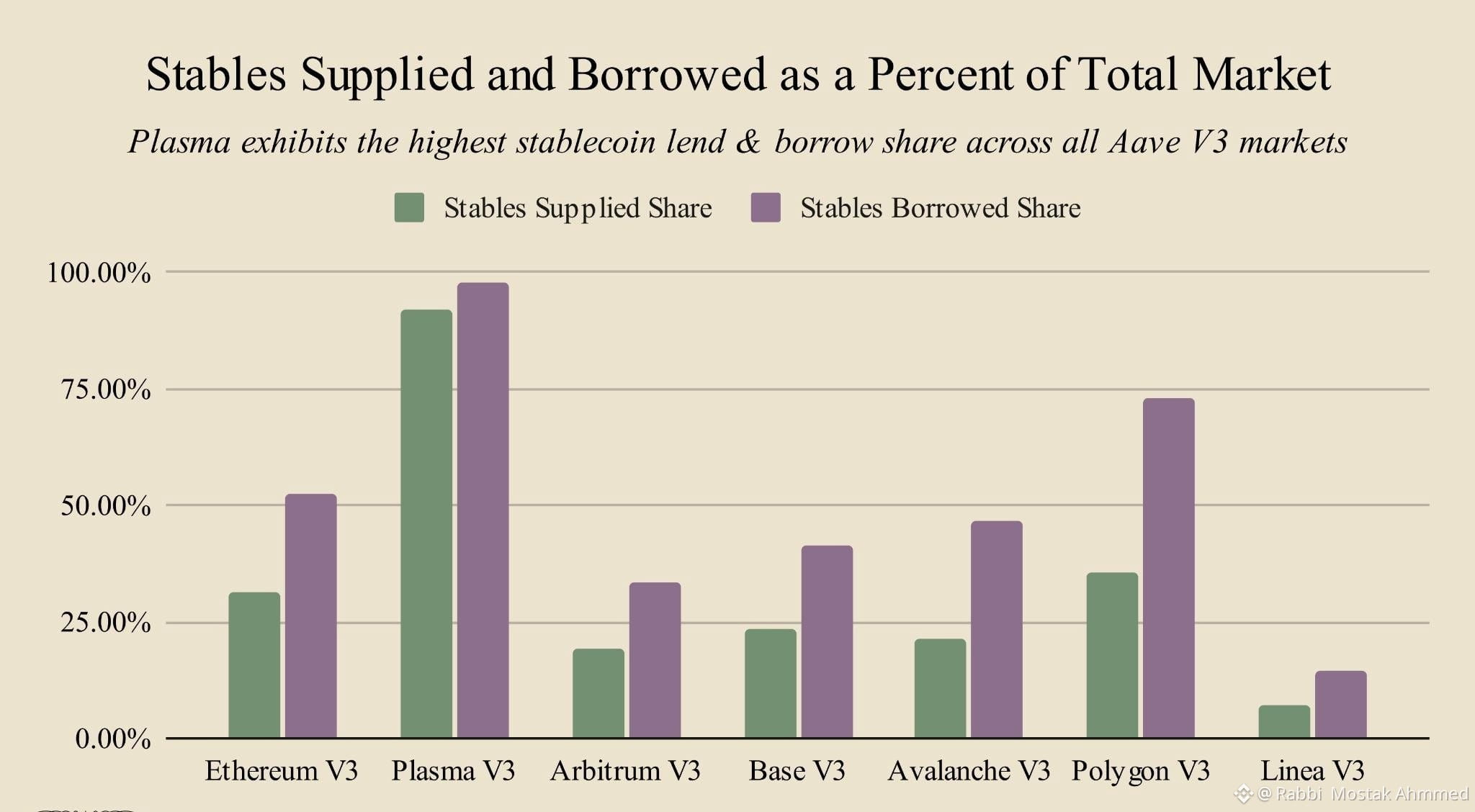
When I took a closer look I saw that the people who made Plasma were not really making a big deal about it. At the time the rest of the market was busy trying to find the next big thing, like something that could be better than Ethereum or something that could handle a lot of transactions very quickly. But there were some developers who were quietly using Plasma for something simpler: they were using it as a way to make payments. They were treating Plasma as a tool, for payments.
The Infrastructure is Not the Product
The biggest mistake people make with crypto is that they think the blockchain is what they are actually buying into. It is not. The thing that really matters is the stablecoin. We need to remember that the stablecoin is the product when it comes to crypto.
For a freelancer in Argentina or a family sending money to Southeast Asia, the idea of " compute" is not something they think about. They just want the dollar, which is the USDT. All the other things, like how it works and the machines that make it work are, like the pipes that get the USDT from one place to another.
Plasmas shift toward USDT transfers is a big change. This is the time that the system behind the scenes has actually felt like it is not even there. On chains when you want to send money it is, like solving a puzzle that has many steps:
* Acquire the stablecoin.
* You have to understand that you need a kind of token called a native gas token to make things happen with it. The native gas token is what you need to get things moving.
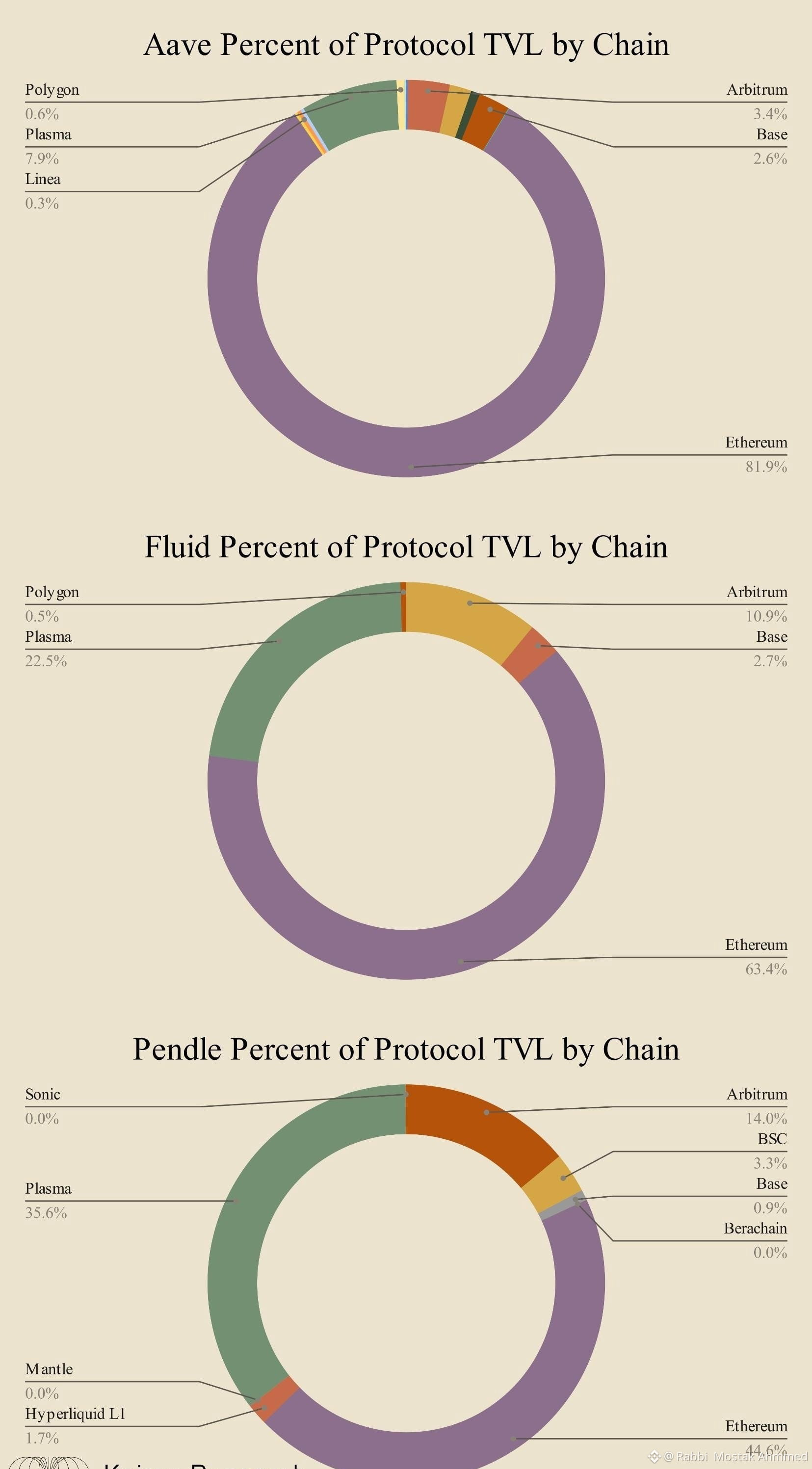
* Find a place where you can buy three dollars of something that can change value a lot but you do not really want the volatile asset.
* Finally, send the payment.
On Plasma they are getting rid of that friction. The network can pay for the gas. Cover the cost with the asset that is being sent. This makes the transaction feel like a crypto transaction. It starts to feel like you are using a payment app, not a terminal. This change is about making Plasma easy to use for everyday people not just for those who are trying to make a quick profit from crypto like, during the DeFi summer.
The Cautious Reality
I do not think that just because something looks better all my doubts will go away. If people can do things without paying then someone else has to pay for it. Maybe someone is paying for it to help the users or maybe the system is set up in a way that handles the cost. The thing is, when we are talking about computer systems that are spread out nothing is really free. Someone always has to pay for the transactions. That is what I mean by saying there are no free things in distributed systems, like these.
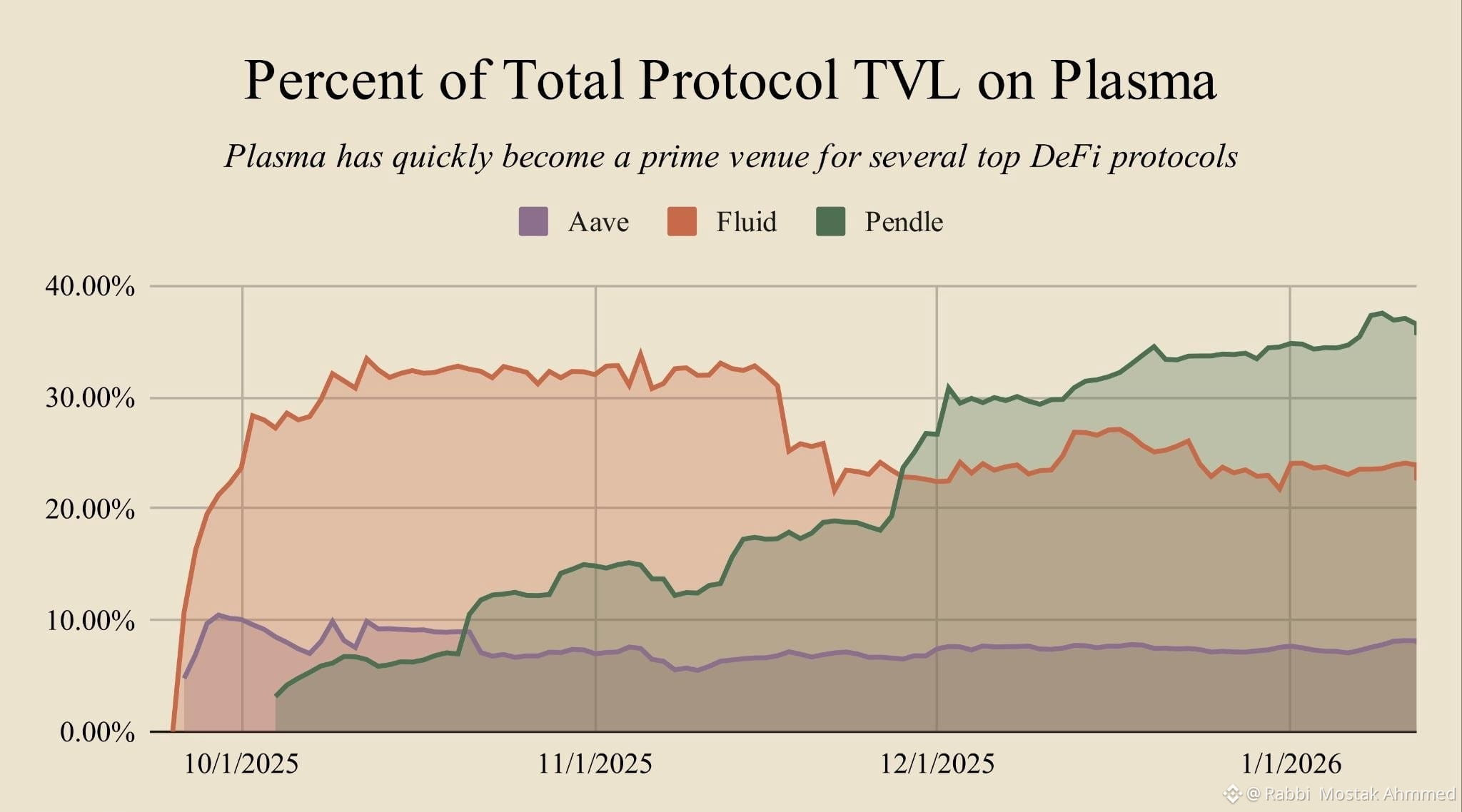
* Sustainability: How long can a network keep going without needing gas before it becomes too expensive because of spam or the network getting too full, with information?
* The USDT Dependency: When we focus much on the USDT the whole system becomes really dependent on it. This means that if something goes wrong with the USDT the entire infrastructure is in trouble. We have seen this happen before when we rely heavily on one thing and it fails the whole system fails with it and the USDT is no exception, to this rule.
* Spam and Distribution: We need to stop people from sending much junk on the network. Normally gas fees help with this problem.. Without these fees we have to be careful. We have to find a way to limit how much people can send without letting one group have much control, over the network. This is a balance to strike and it is easy to end up with a system that is controlled by a small group of people which is the opposite of what we want with Spam and Distribution.
A Watchful Eye
I do not think we need the EVM for a payments chain. To me the Full EVM is very complicated. The more complicated something is the more things can go wrong with the Full EVM.. If we use the Full EVM just to make the payment rails work with the wallets and custody that already exist then I can understand why we would want to use the Full EVM for this purpose.
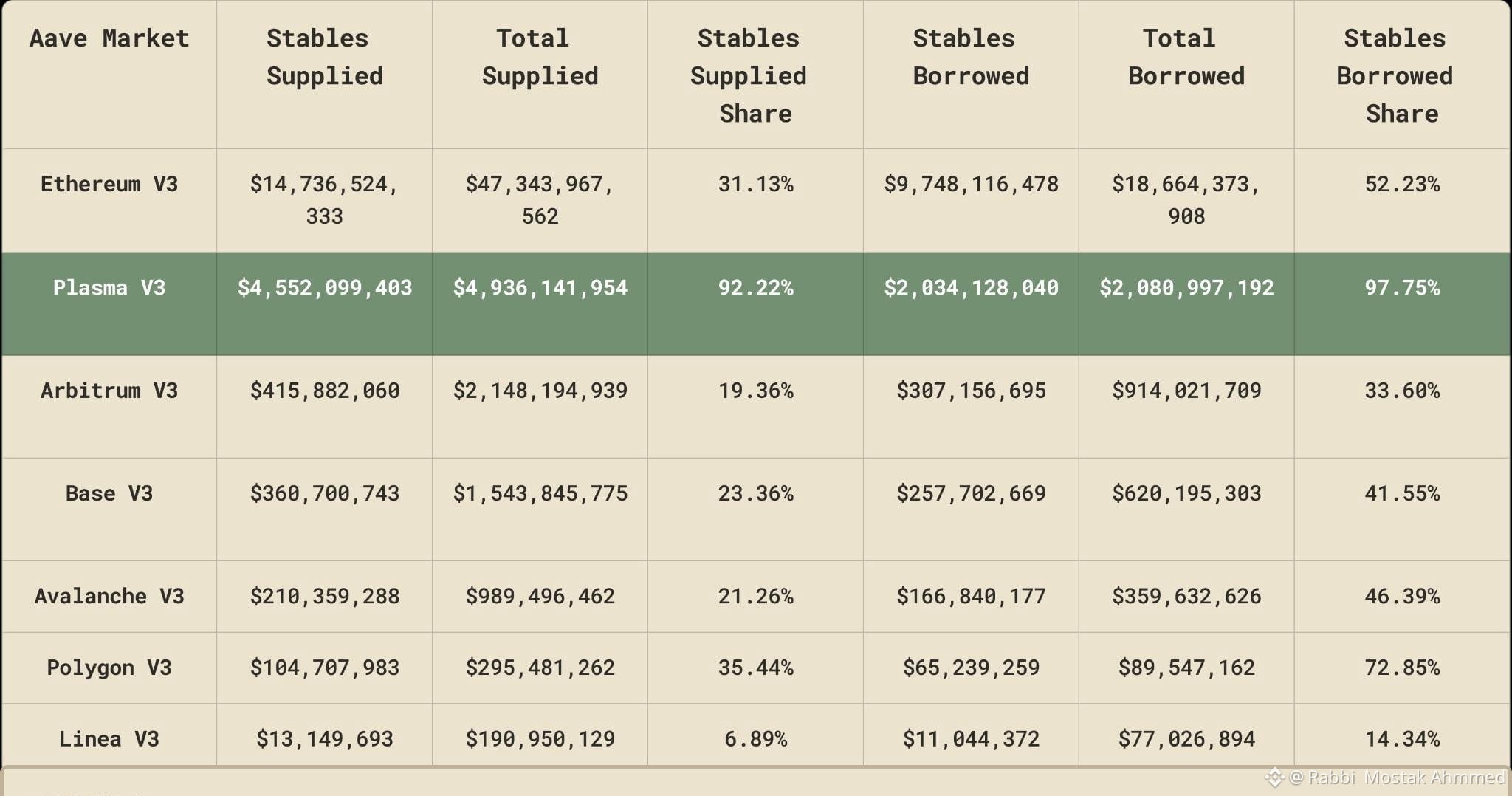
I’m not ready to call this the "future of finance." I’ve seen too many "revolutionary" rails turn into ghost towns once the incentives dry up. But I am watching. For the first time in a long while, the focus seems to be on the movement of money rather than the price of the pipe. That, at the very least, is a pivot worth observing.