
@Plasma Anyone who has worked in cross-border e-commerce knows this truth: selling the product is only the beginning.
The real struggle starts after the sale.
I’ve lived through long settlement cycles that stretch for weeks, currency conversion losses that quietly eat into margins, and the constant anxiety of refunds or chargebacks. On paper, profits look fine. In reality, the real lifeline of the business is cash flow — and that’s where most sellers suffer.
This is the lens through which I started looking at Plasma.
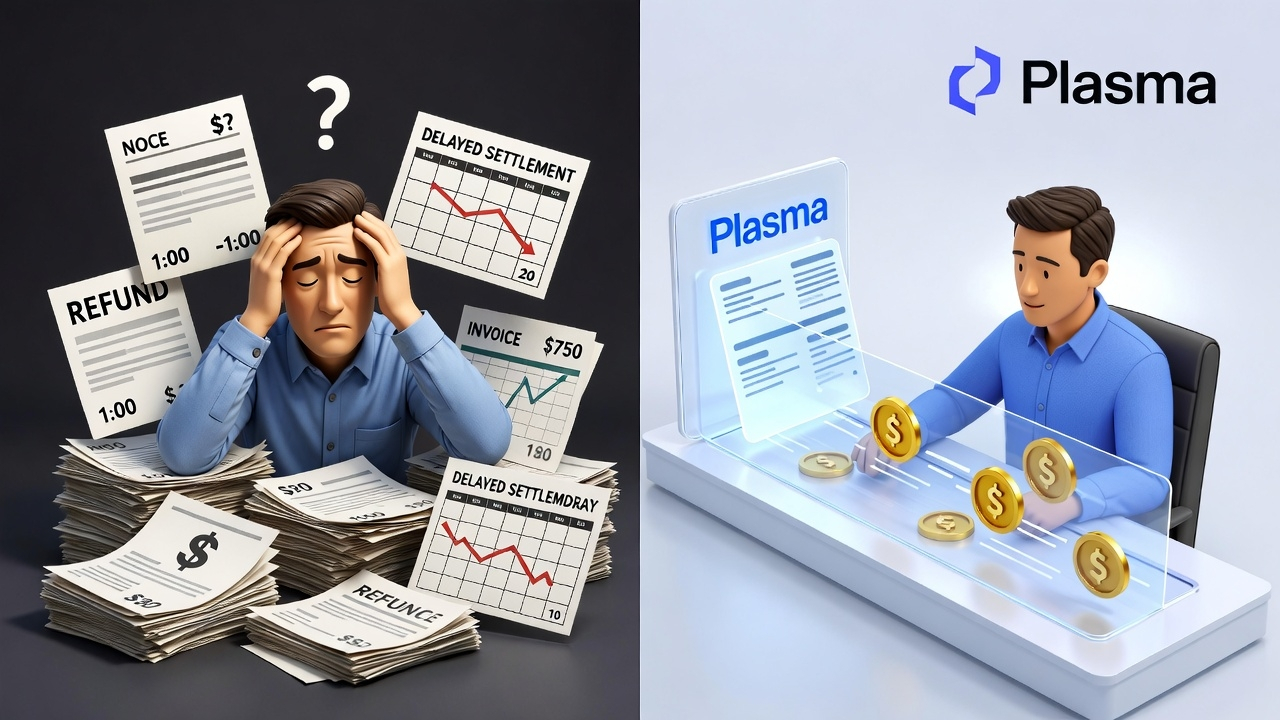
Plasma isn’t trying to impress with speed alone. It feels more like a clearing and settlement rail built specifically for stablecoins. The most obvious feature is zero-fee USDT transfers, which instantly removes the entry barrier.
In the past, even a simple transfer required buying native tokens just to pay gas. For regular users and merchants, that friction is enough to turn them away. Plasma changes that experience completely. Sending stablecoins feels as natural as scanning a QR code to pay — simple, predictable, and stress-free. That’s when stablecoins stop being “exchange assets” and start behaving like real balances people are comfortable holding and spending.
Of course, zero fees sound great, but anyone who understands payment systems knows the danger. A clearing network can’t survive unchecked abuse. Spam transactions, bots, and arbitrage scripts can overwhelm the system, and when accounting risks appear, real users always pay the price.
This is where Plasma’s design matters. The rules are enforced at the protocol level. The zero-fee channel is open, but disciplined. Clear boundaries are what separate a usable financial network from a temporary gimmick.
Complex interactions still carry fees — and that’s just common sense. What stands out is Plasma’s gas abstraction. Fees can be paid directly using USDT or even BTC. No jumping between tokens, no fragmented balances. For users, assets stay unified. For merchants, risk control and settlement paths become shorter and cleaner, which naturally reduces operational failures.
Security is the other pillar that caught my attention. Plasma periodically anchors its state to Bitcoin. Think of it as appointing Bitcoin as the ultimate notary. For institutions, promises mean nothing. What matters is provability under extreme conditions.
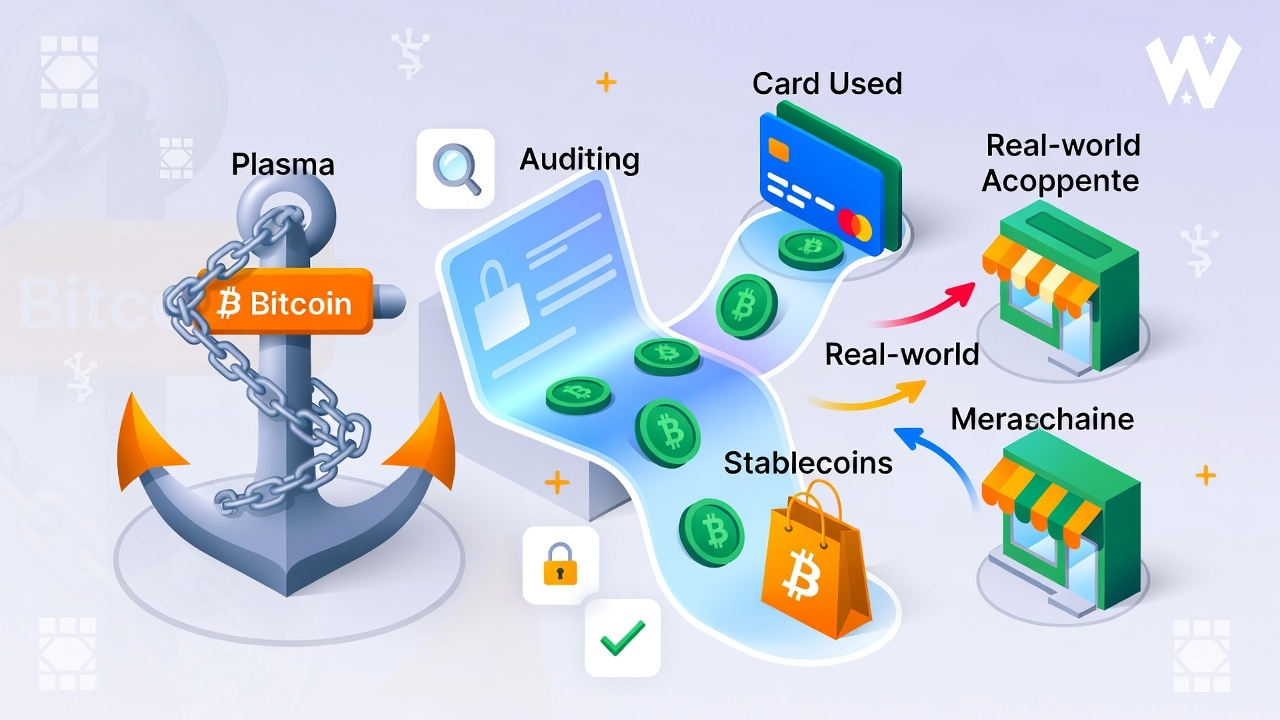
When records are anchored to Bitcoin, the cost of tampering becomes astronomically high. That’s the kind of foundation large funds and serious businesses need before trusting a settlement layer with real volume.
In the end, Plasma’s real test is whether it can move from on-chain logic to real-world usage. By connecting stablecoin balances to cards and merchant networks, it turns digital assets into actual purchasing power.
Only when stablecoins stop being chips inside exchanges — and start acting like cash flow that can circulate, settle, and be spent instantly — does a clearing network like Plasma show its true value.

