
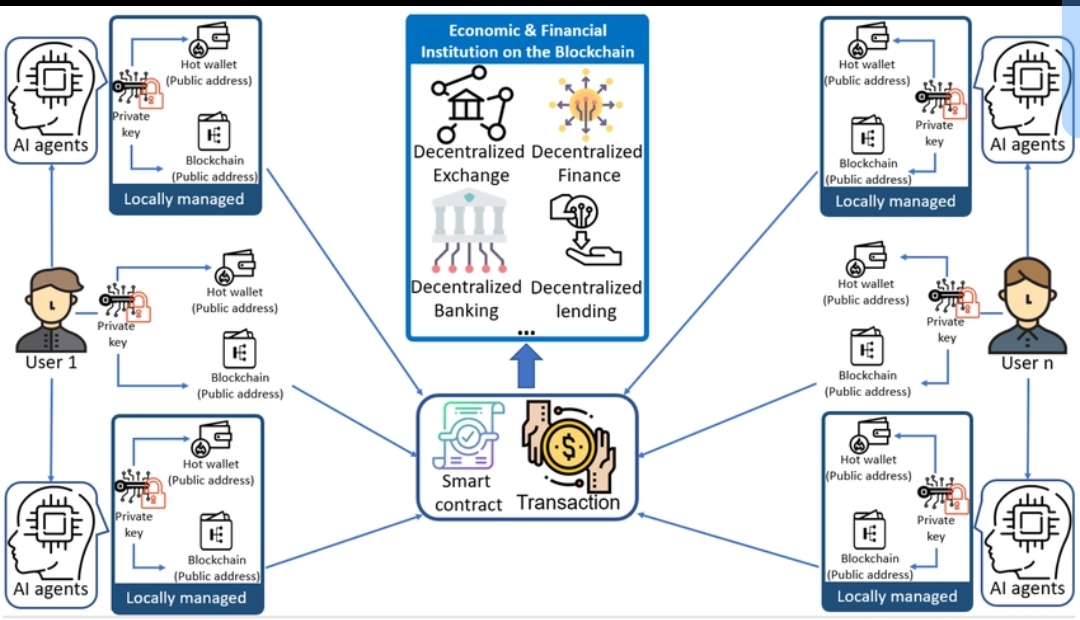
Vanar Chain didn’t begin life as a traditional blockchain project. It started as Virtua, a platform centered on digital collectibles and metaverse experiences. Over time, the team recognized that blockchain technology could support far more than entertainment and token transfers. That realization led to the creation of Vanar Chain—a Layer-1 network designed to store, interpret, and act on data.
With development teams operating across Dubai, London, and Lahore, Vanar was engineered for speed, predictable costs, and operational stability. The network has already processed millions of transactions and built a growing ecosystem of users and partners. This evolution marks a clear transition from consumer-facing NFTs to enterprise-ready infrastructure built for intelligent systems.
Today, Vanar is increasingly described as an AI-native blockchain, meaning intelligence is embedded directly into the protocol instead of being added as an external layer.
Neutron Seeds: Giving the Blockchain Memory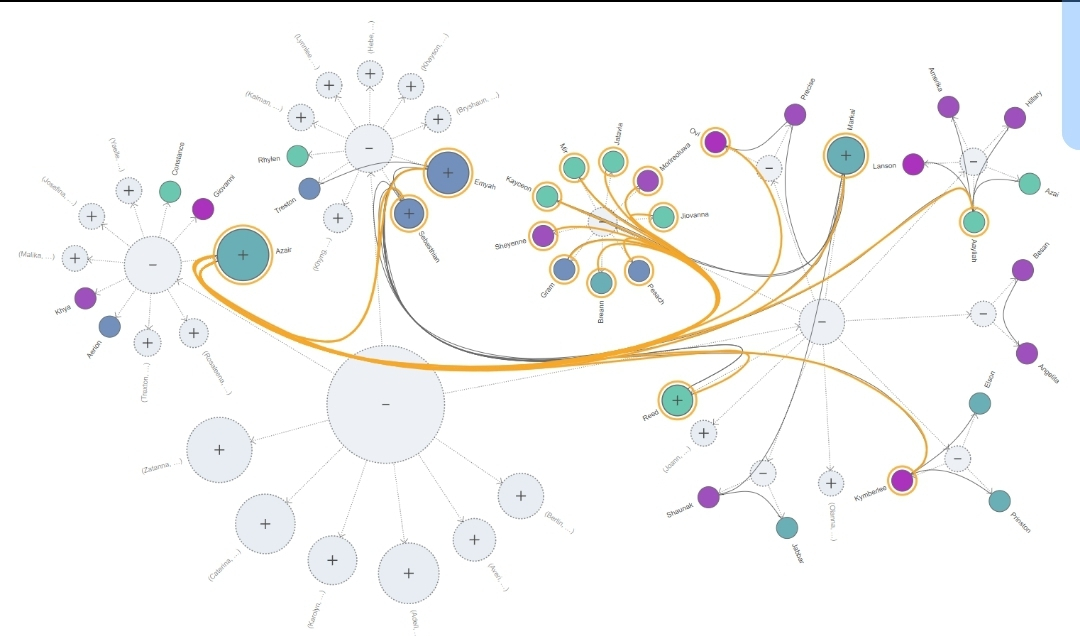
Most blockchains store only cryptographic hashes, while the actual data lives elsewhere. If that external storage disappears, the on-chain record becomes meaningless.
Vanar addresses this limitation through Neutron, a data system that converts documents, media, and structured information into compact units known as Seeds. These Seeds preserve context, meaning, and structure. They can be stored off-chain for performance or anchored on-chain for verification, ownership, and auditability.
Because Seeds are optimized for AI systems, they are searchable and interpretable. This turns blockchain data into usable knowledge rather than static references.
Kayon: The Reasoning Layer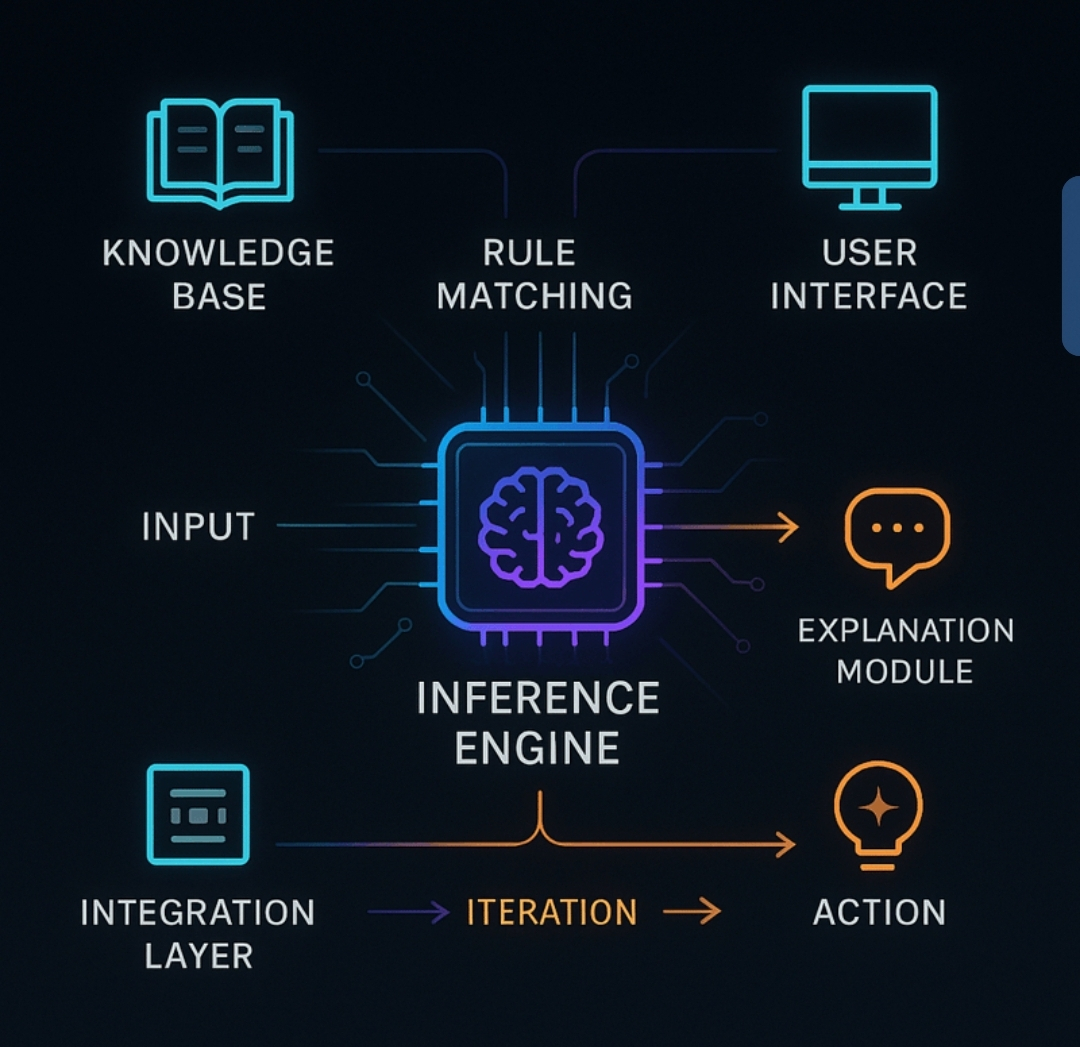
Memory alone isn’t enough. Vanar introduces Kayon, a reasoning layer that analyzes stored data and enables smart contracts and AI agents to respond dynamically.
Kayon can interpret records to trigger automated compliance checks, financial logic, or operational workflows. Instead of reacting only to predefined inputs, applications can now understand context and make informed decisions.
In simple terms:
Neutron stores knowledge.
Kayon interprets it.
Together, they allow blockchain applications to work with complex information rather than just balances and tokens.
A Consensus Model Built on Trust and Reputation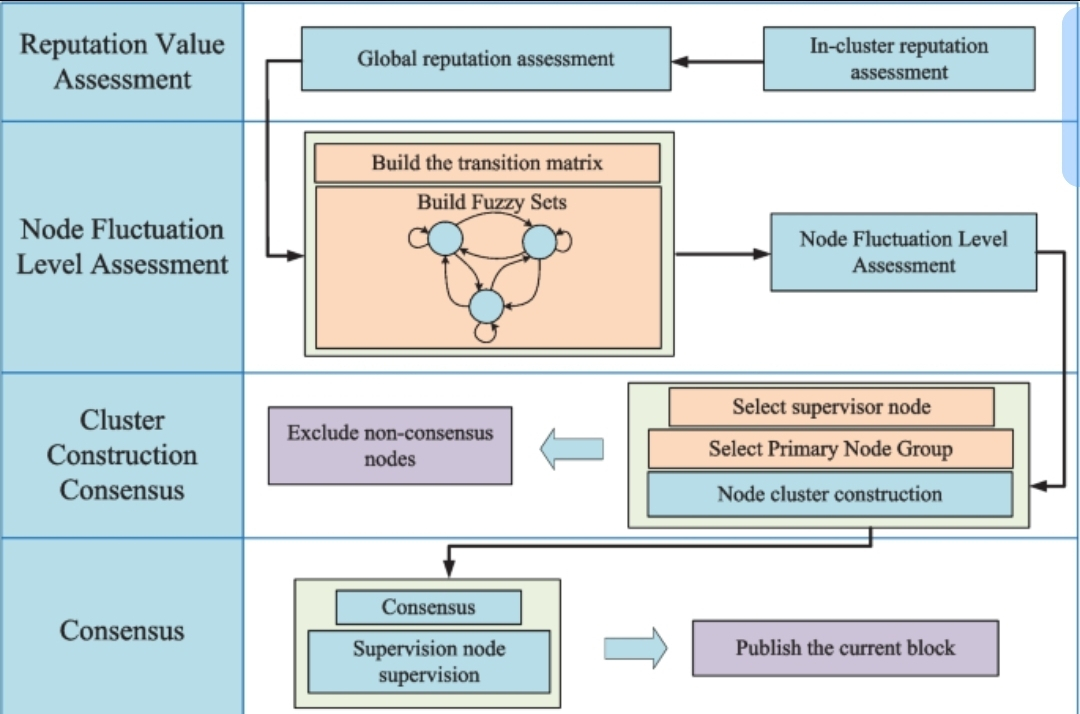
Vanar uses a hybrid validation model that prioritizes stability while allowing gradual decentralization. The network begins with Proof of Authority, where trusted validators secure the chain, and gradually incorporates Proof of Reputation and delegated staking.
Validator selection emphasizes credibility, performance history, and trustworthiness—not just computational power or capital. This approach aims to balance reliability with openness as the network scales.
Tools for Users and AI Agents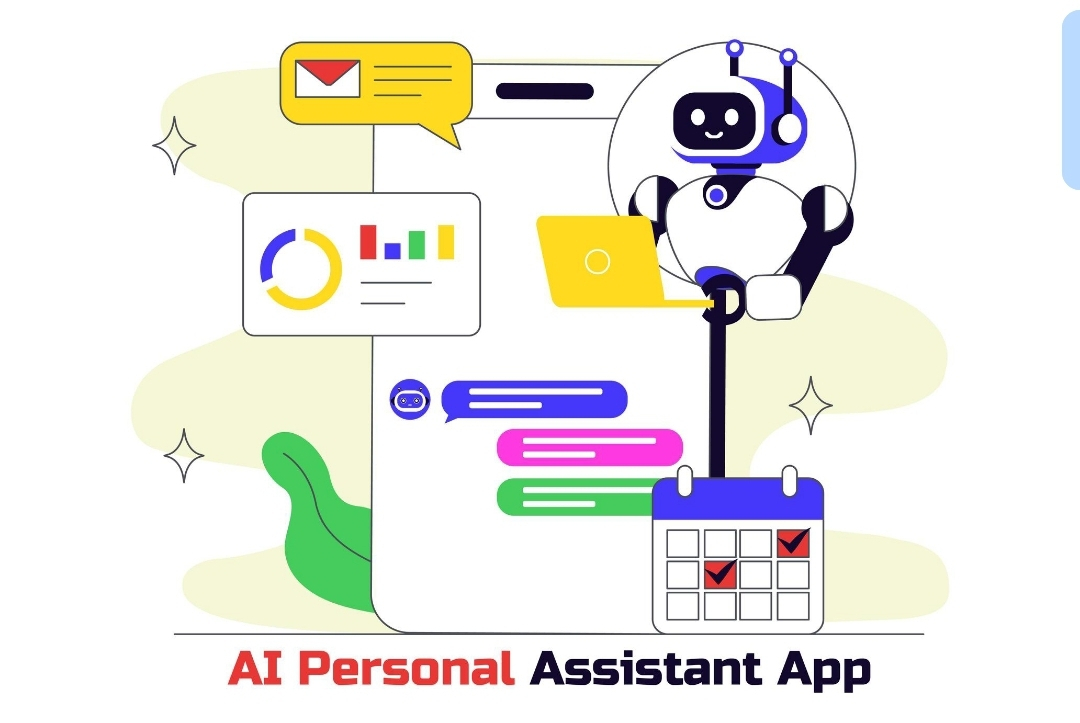
Vanar is also building user-facing tools designed for both humans and AI agents. Users can upload personal data to create AI assistants capable of organizing information, managing digital assets, and automating routine tasks.
Natural-language interfaces allow users to interact with blockchain systems using plain text instructions rather than complex wallet commands. This lowers the barrier to entry and enables micro-payments, automated services, and agent-driven workflows.
Performance, Sustainability, and Compatibility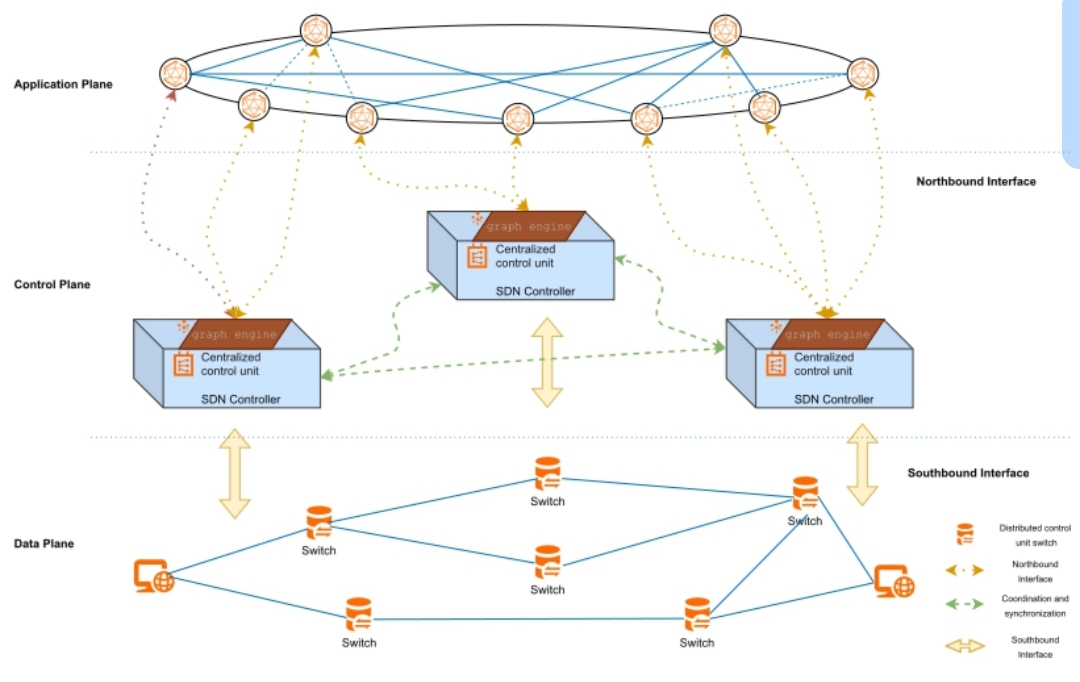
Vanar focuses on fast block times, low fees, and predictable costs—features essential for business adoption. The network is compatible with Ethereum tooling, allowing developers to migrate applications without extensive rewrites.
At the same time, the infrastructure is purpose-built to handle AI workloads and large datasets, areas where many older blockchains struggle.
Looking Ahead
Vanar’s long-term vision centers on a future where software agents manage economic and operational tasks autonomously. That future requires infrastructure with both memory and reasoning built in at the base layer.
Whether this model becomes mainstream remains to be seen, but Vanar’s approach highlights a broader shift in blockchain development. Networks are no longer just ledgers for token transfers—they are becoming intelligent platforms capable of understanding, analyzing, and acting on data.
