
I was sitting in my living room last evening, watching the rain streak down the window, nursing a cup of tea that had gone cold. It's one of those quiet moments where your mind wanders to the everyday frustrations—like how even something as simple as renewing a driver's license involves jumping through hoops of paperwork and verifications. It got me thinking about how we all navigate these invisible rules in life, and whether we really have as much freedom as we assume.
That thought lingered when I scrolled into the CreatorPad section on Binance Square and picked up this task on regulatory readiness and compliance considerations for Vanar Chain. I figured it was straightforward enough, but as I dug in, reviewing the outlined points on jurisdictional alignments and audit trails, something shifted. There, in the compliance framework breakdown—right on the screen with those bullet-pointed requirements for token classification and data privacy protocols—it struck me how fragile the whole setup felt. It wasn't just abstract; seeing those specific checkboxes for AML integrations and regulatory filings made me pause. That moment flipped a switch: if a project like this has to contort itself to fit existing laws, maybe the entire crypto ethos of boundless innovation is built on shaky ground.
I mean, we've all bought into this idea that blockchain is inherently resistant to control, right? That decentralization means no single point of failure, no meddling authorities. But honestly, after sifting through that task, I can't shake the opinion that this belief is more wishful thinking than reality. Regulations aren't some distant threat; they're already reshaping the landscape, and pretending otherwise feels like denial.
Take it further—it's not just about one chain. In crypto, we celebrate projects that promise to disrupt finance or governance without the old world's baggage. Yet, when you start considering real-world compliance, like how securities laws could reclassify tokens or force centralized oversight, it exposes the cracks. Decentralization sounds great in whitepapers, but in practice, many networks rely on key teams or foundations that regulators can target. I've seen it with other ecosystems where sudden enforcement actions led to freezes or delistings, turning "unstoppable" tech into just another compliant app. It's uncomfortable because it challenges the core appeal of crypto: that sense of escaping the system. If regulations can mandate KYC on decentralized exchanges or audit smart contracts, what's left of the rebellion? It makes me wonder if we're romanticizing a freedom that was never fully there.
Vanar Chain serves as a perfect illustration here, without the fanfare. From what the task prompted me to consider, its focus on scalability and real-world applications bumps right up against these compliance hurdles. The chain's architecture might aim for efficiency, but ensuring it aligns with varying global standards—like EU's MiCA or U.S. SEC guidelines—means potential compromises. It's not a flaw unique to them; it's systemic. Projects push forward with tech-first mindsets, but ignoring the regulatory web could mean abrupt halts or forced pivots. And that's the rub: while the community cheers on adoption, the backend reality is that true decentralization might require more isolation than most are willing to accept, risking irrelevance.
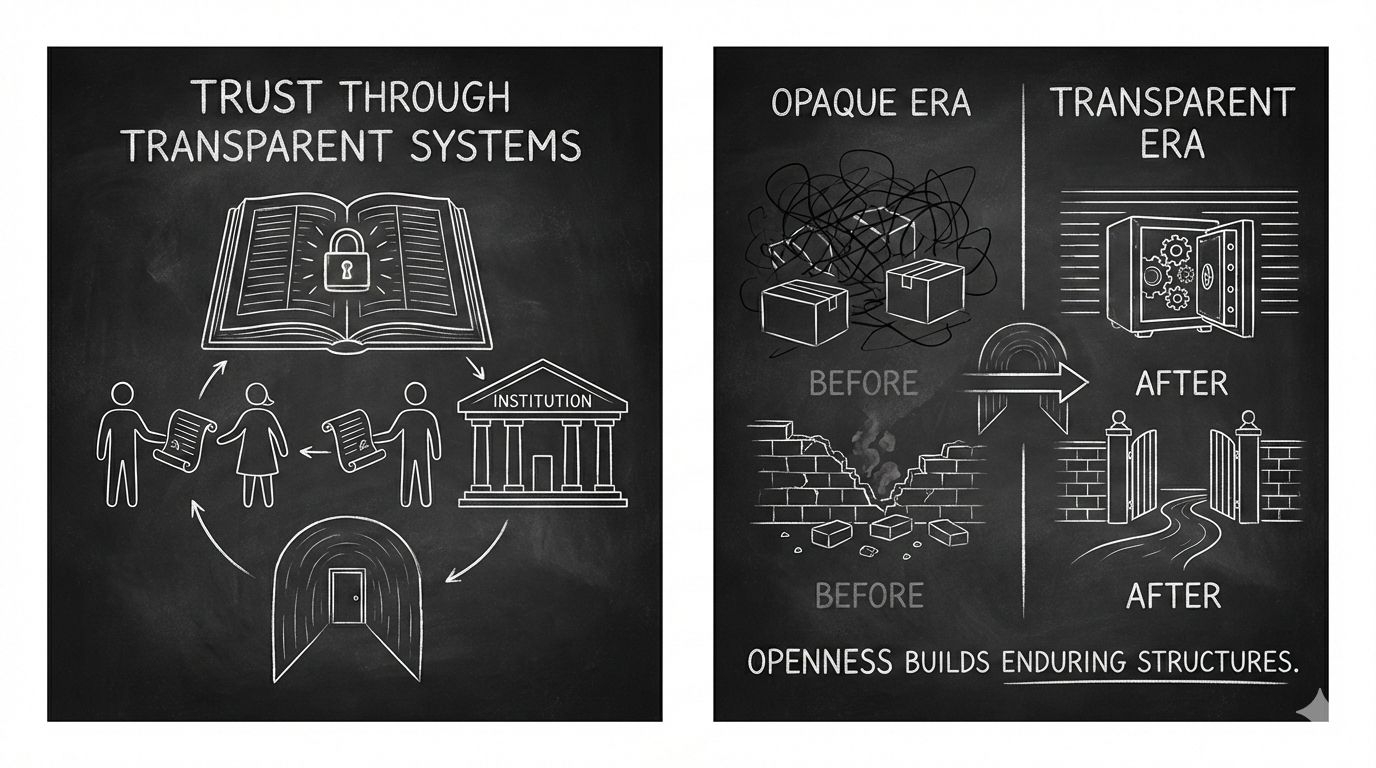
This isn't about doom-saying; it's an observation that hit me square during that task review. Crypto has thrived on optimism, but glossing over these readiness gaps feels shortsighted. Expanding the thought, it touches on broader tech trends too—think AI or data privacy—where innovation races ahead, only to get reined in later. In crypto specifically, the common belief in regulatory evasion as a feature might actually be a bug, inviting scrutiny that could centralize power further into the hands of those who comply early.
How long before we admit that real durability in this space demands facing regulations head-on, rather than hiding behind code?