
Plasma is a Layer-1 blockchain built with one very specific goal in mind — making stablecoin payments faster, cheaper, and easier to use in everyday life. Instead of trying to compete with blockchains that do everything, Plasma focuses mostly on stablecoins like USDT, which are already one of the most widely used tools in crypto. Many people today use stablecoins for trading, sending money across countries, or storing value during market volatility, but existing networks can sometimes be slow, expensive, or confusing for new users. Plasma is designed to remove those problems by building a payment-focused blockchain from the start.
One important part of Plasma is its compatibility with Ethereum technology. The network uses an execution system called Reth, which means developers can build applications using the same tools they already use on Ethereum. Wallets, smart contracts, and decentralized apps can work without major changes, which makes it easier for developers to adopt the network. At the same time, Plasma uses its own consensus system called PlasmaBFT, designed to confirm transactions very quickly, often in less than a second. This fast confirmation speed is especially important for payments, where users expect transfers to feel instant.
Another interesting idea behind Plasma is its connection to Bitcoin for security. The network periodically anchors important data to the Bitcoin blockchain, which helps strengthen trust in the system and provides an additional layer of protection. By combining Bitcoin’s security model with Ethereum-style programmability and stablecoin payments, Plasma tries to bring together strengths from different parts of the crypto ecosystem into one focused network.
Plasma also introduces features that are designed specifically for stablecoin users. One example is gasless USDT transfers, where users can send stablecoins without needing to hold another token just to pay transaction fees. Instead, the system allows fees to be handled in the background or paid using stablecoins themselves. This small change can make crypto payments feel much more natural, especially for people who only want to use digital dollars without learning how gas tokens work. The network is also built to handle a large number of transactions per second, which is necessary if stablecoins continue growing as a global payment method.
The native token of the network, called XPL, is mainly used for staking, validator incentives, and maintaining the security of the blockchain. While stablecoins are expected to be the main asset used for payments, the XPL token supports the infrastructure running behind the network. This separation between payment assets and security mechanisms reflects Plasma’s focus on practical financial usage rather than speculation.
The project has received support from several major crypto investors and organizations connected to the stablecoin ecosystem, which has helped fund development and ecosystem growth. The team launched a mainnet beta in 2025 and has continued improving network performance and integrations since then. Some of the recent progress includes preparing a Bitcoin bridge that would allow Bitcoin-based liquidity to move into Plasma’s financial ecosystem, along with expanding decentralized finance integrations and developer tools.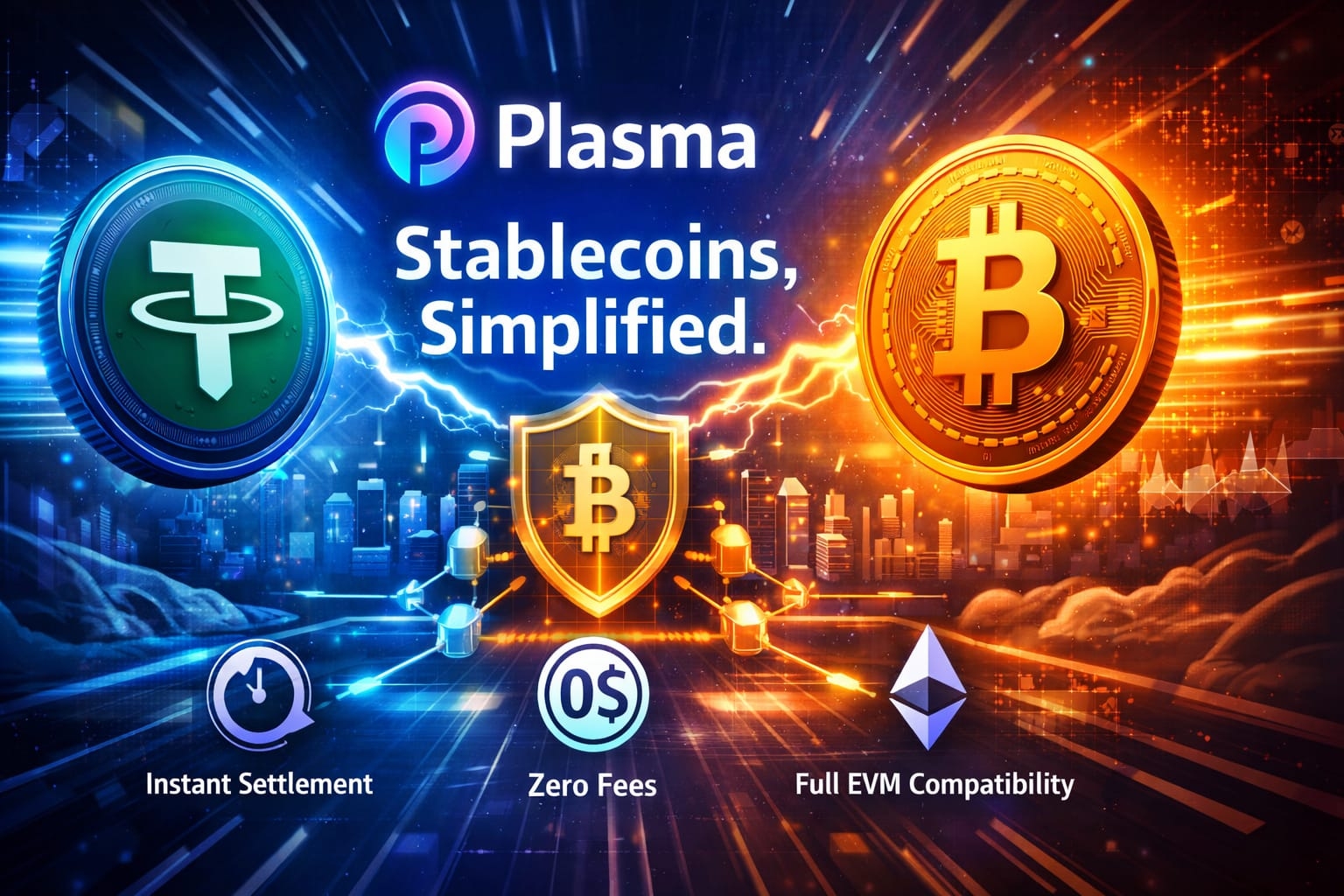
When you look at the bigger picture, Plasma is trying to position itself as infrastructure for stablecoin payments in the same way some traditional networks support global money transfers. Instead of being known for NFTs, gaming, or speculation, the network is focused on the simple idea that sending digital dollars should feel as easy as sending a message. If stablecoin adoption continues to grow in emerging markets, online payments, and financial services, networks designed specifically for settlement and payments could become more important over time. Plasma represents one attempt to build that kind of specialized blockchain, centered on speed, simplicity, and stablecoin usability.
@Plasma #Plasma $XPL