

1/4
Everyone building serious Web3 applications knows this hard truth: getting high-stakes real-world data (financial records, legal documents, property certificates) onto the blockchain is still extremely difficult and risky.
Most current solutions are either too expensive, too fragile, or fail basic enterprise security and verification standards.
2/4
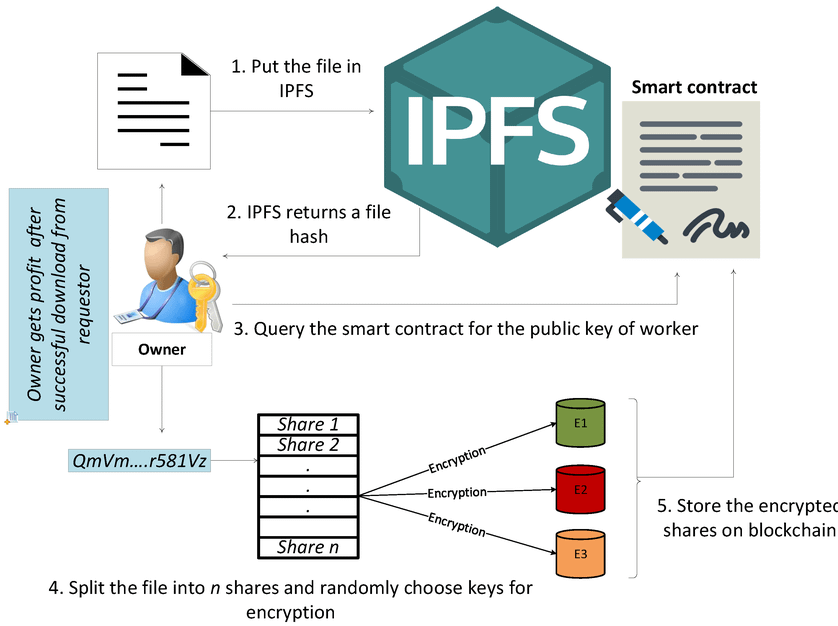
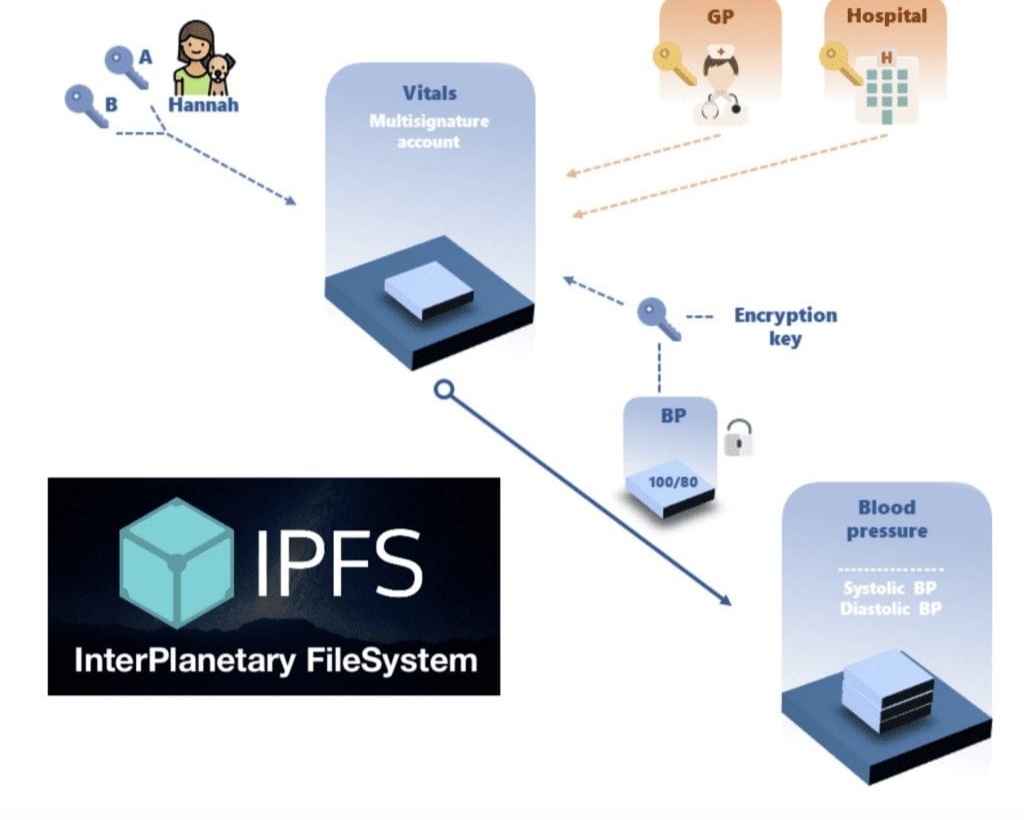
The typical approach: store PDFs or files on IPFS and only put a hash on-chain. During audits or verification, fetch the file from IPFS and check the hash off-chain.
On paper it seems fine — but in practice it has three critical weaknesses:
Availability risk — IPFS depends on node incentives. If nodes stop hosting your file (no economic reason to keep it), critical documents can disappear forever without warning.
3/4
2. No real content authenticity — A matching hash only proves the file hasn’t been altered since it was pinned. It says nothing about whether the original document was true, legitimate, or issued by the right authority. Fraudulent files can still pass if the hash matches.
Zero on-chain composability — Verification is off-chain only. Smart contracts can’t read or act on the data automatically. No real-time auditing, no automated compliance, no intelligent triggers.
4/4
This is exactly where @Vanarchain changes the game. Vanar Chain brings reliable, incentivized on-chain storage + built-in semantic verification and AI-native reasoning.
Data stays available, authenticity is provable on-chain, and smart contracts can interact with it intelligently — no more off-chain trust jumps.
This is the enterprise-grade infrastructure Web3 has been missing.
What kind of high-stakes data do you want to see secured on-chain first? 👇👇👇👇👇