From Players to Pioneers: How Vanar Wants to Welcome the Next 3 Billion Into Web3 (Without the Fear, the Friction, or the Jargon)
There’s a quiet moment that decides whether someone stays in Web3 or walks away forever. It’s not the whitepaper. It’s not the roadmap. It’s that first experience—when a person taps a button and suddenly sees a wallet pop-up, a confusing fee, a warning they don’t understand, and a countdown that feels like a test they never signed up for. Most people don’t fail Web3. Web3 fails them—by making them feel lost, rushed, and one wrong click away from regret.
Vanar’s entire story is built around refusing that moment.
Instead of treating mainstream users like “future crypto natives,” Vanar tries to treat them like… humans. People who just want the app to work. People who expect the cost to be clear before they confirm. People who don’t want to learn a new language just to play a game, collect a digital item, or join a community. Vanar positions itself as a Layer-1 blockchain designed for real-world adoption—shaped by a team and ecosystem that comes from gaming, entertainment, and brands, where user experience is everything and patience is brutally limited. (vanarchain.com)
One of the most emotionally important promises Vanar makes is also one of the simplest: predictability. In the real world, unpredictability is what makes people anxious. In crypto, unpredictability shows up as “gas spikes” and “why did this cost more than it said?” Vanar’s whitepaper emphasizes a fixed-fee approach and “first come, first served” transaction ordering—choices meant to make the network feel fair, stable, and easy to trust, especially for consumer apps where the tiniest surprise can break confidence. It also describes a fast environment with block time capped at 3 seconds—because in gaming and everyday apps, delay doesn’t feel technical; it feels like something is wrong. (cdn.vanarchain.com)
And then there’s the invisible weight Web3 puts on people: having to understand the machine before you can enjoy the experience. Vanar leans the other way. It positions itself as EVM-compatible and built on familiar Ethereum client infrastructure (the whitepaper references Geth), which matters because it lowers friction for developers—more builders means more apps, more polish, and fewer half-finished experiences dumped on users. But it’s also a sign of maturity: Vanar isn’t trying to reinvent everything for attention. It’s trying to build something that feels dependable. (cdn.vanarchain.com)
Where Vanar gets bold is in how it talks about the layer above the chain. It doesn’t just describe itself as infrastructure; it describes itself as a stack designed to help Web3 feel more like the modern internet—intelligent, responsive, and useful. On its official site, Vanar frames an “AI-native infrastructure stack” that includes layers it calls Neutron and Kayon, presented as building blocks for semantic data handling and onchain reasoning. Even if you ignore the buzzwords, the underlying direction is meaningful: Vanar wants apps that don’t merely store things onchain, but understand what they store—apps that feel less like rigid tools and more like living systems that can adapt, search, compress, organize, and act. (vanarchain.com)
But a blockchain can say anything. What matters is whether there are real places people can touch it—real products that translate “infrastructure” into a feeling.
That’s why the consumer-facing ecosystems matter so much in Vanar’s identity.
Virtua, for example, describes its Bazaa marketplace as built on the Vanar blockchain—focused on dynamic NFTs that are meant to have utility across gaming and metaverse experiences. That’s a different emotional pitch than “buy and hold.” It’s closer to: this item is part of your story. Something you can use, trade, and carry across worlds—like a passport for digital life. (virtua.com)
On the gaming side, Vanar’s messaging around VGN feels almost like an apology for everything people hate about early Web3 onboarding. It talks about SSO-style access that lets players enter the VGN games network from traditional Web2 games, “experiencing Web3 without even realizing it.” That’s not just convenience; it’s dignity. It’s saying: you shouldn’t need to be brave to try something new. You should be able to play first, enjoy first, belong first—and only then discover that you’ve stepped into a world where ownership and rewards can actually be real. (vanarchain.com)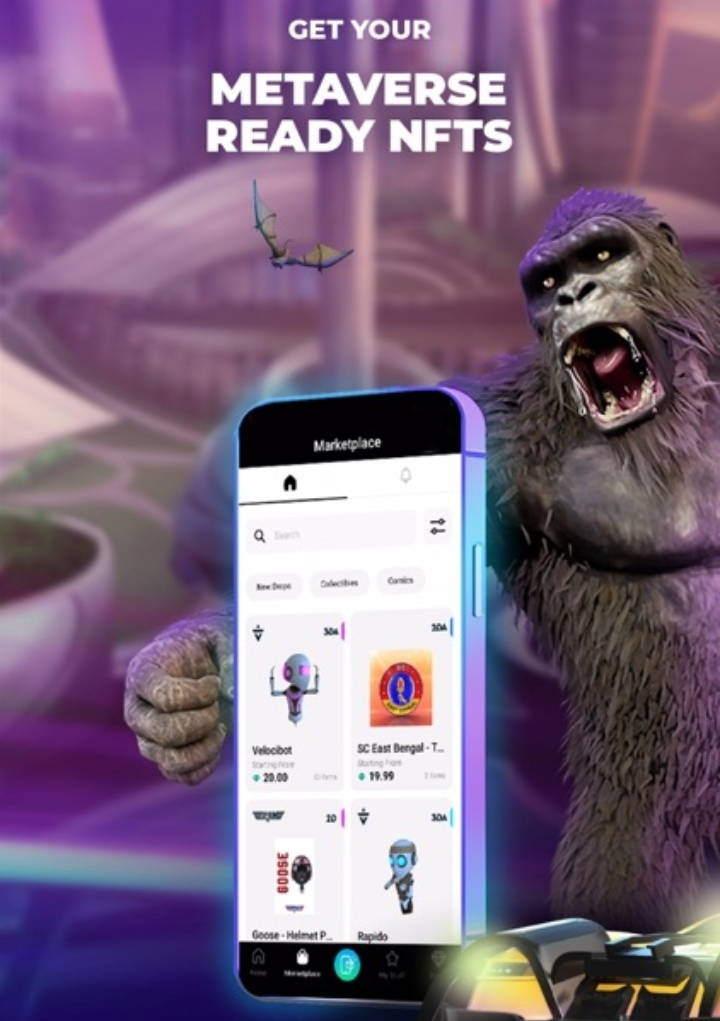
Under the hood, Vanar’s whitepaper describes a validator model staged for gradual decentralization, referencing Proof of Authority as a primary early mechanism and Proof of Reputation ideas to bring in additional validators through reputation and community processes, alongside staking and voting power. The philosophy reads like “stability before chaos”—a practical approach when you’re trying to build something consumer-facing where reliability isn’t optional. (cdn.vanarchain.com)
And powering this world is the VANRY token—the fuel and participation key in Vanar’s economy. The whitepaper describes VANRY as the native gas token and outlines a capped maximum supply of 2.4 billion, with an initial mint and additional issuance via block rewards, plus distribution intentions across validator rewards, development, and community incentives. (cdn.vanarchain.com) VANRY’s origin story also includes a very public turning point: the rebrand and swap from TVK to VANRY at a 1:1 ratio, which Binance supported and announced during the migration. (generallink.top) Public market trackers like CoinMarketCap continue to list VANRY’s max supply and circulating supply as figures that update over time. (coinmarketcap.com)
If you strip everything back—every technical term, every diagram, every slogan—Vanar is making a very human promise:
That Web3 doesn’t have to feel like a risky maze.
That a newcomer shouldn’t feel small or stupid for not understanding gas.
That “ownership” shouldn’t be locked behind fear.
That people should be able to step into new digital worlds the same way they step into a game, a community, or an app today—curious, excited, and safe.
And if Vanar can actually deliver on that feeling—if it can make blockchain fade into the background while the experience stays fast, fair, and welcoming—then it isn’t just building a chain. It’s building confidence. One smooth first experience at a time. (vanarchain.com)