What is DUSK coin really about, and why does it feel different from most crypto projects?
DUSK coin is the native utility token of the Dusk Network, a blockchain designed specifically for privacy-preserving financial applications. While many networks compete on speed, low fees, or hype-driven narratives, Dusk focuses on a more uncomfortable but necessary question. Can blockchain truly support real finance if privacy is missing?
Why does privacy even matter in blockchain finance?
On most public blockchains, everything is visible. Wallet balances, transaction histories, and smart contract interactions are open for anyone to analyze. That level of transparency may sound ideal, but in practice it creates serious problems. Would a business want its revenue flows public? Would an institution expose its financial strategies to competitors? Would individuals want their full financial history permanently recorded for anyone to see? Dusk starts from the belief that transparency without privacy limits real adoption.
So how does Dusk Network approach this problem?
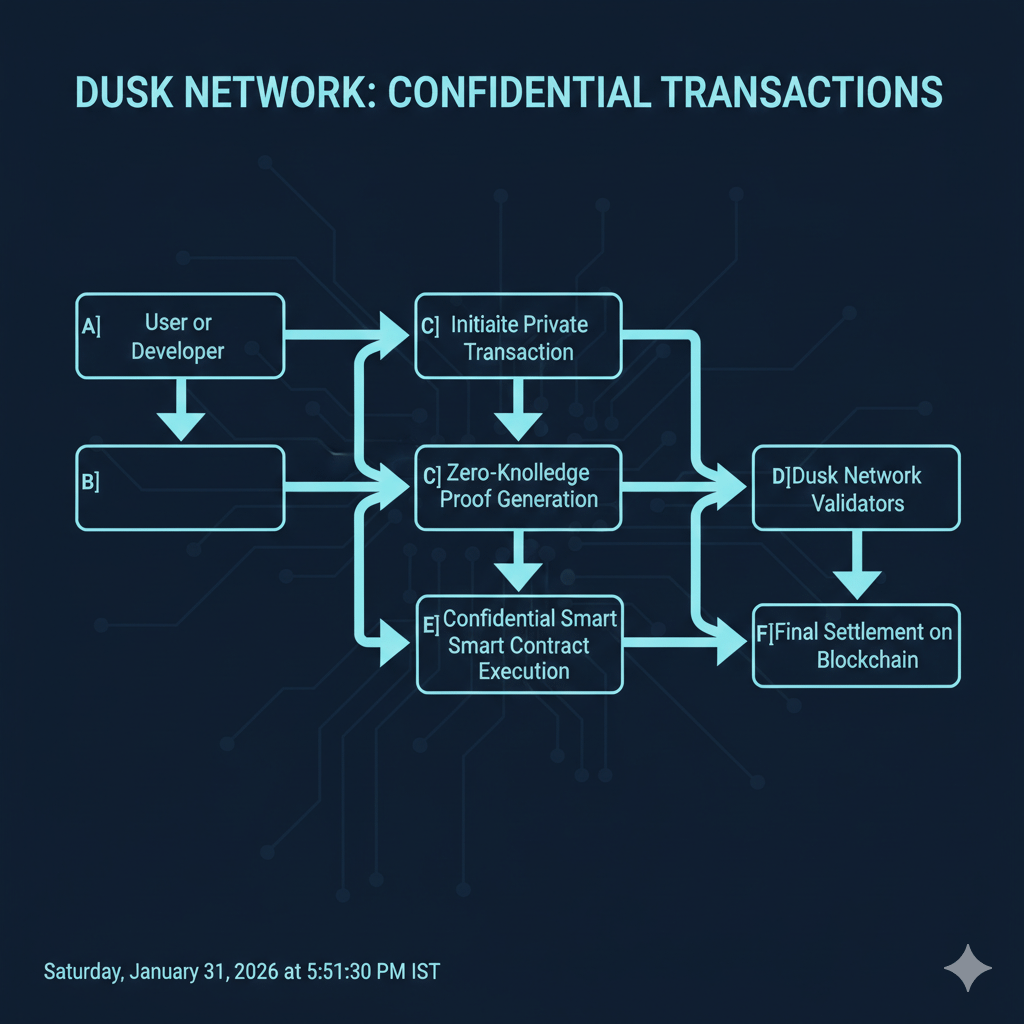
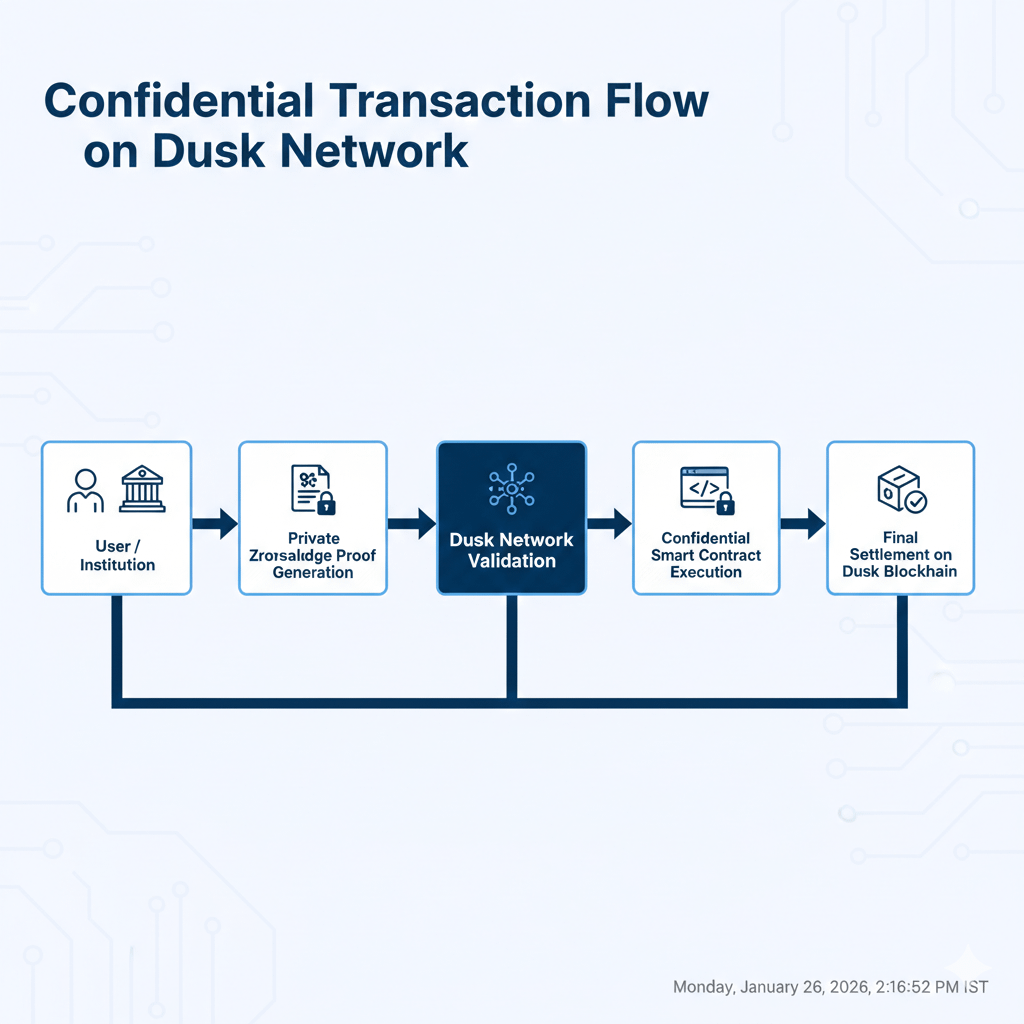
Dusk uses zero-knowledge cryptography to verify transactions without revealing sensitive information. Instead of exposing amounts, identities, or contract logic, the network proves that rules were followed without showing the data itself. This allows trust and confidentiality to exist at the same time. Transactions are valid, final, and secure, but private.
Is Dusk trying to hide everything?
This is where many people misunderstand the project. Dusk is not about hiding activity from the world. It is about selective disclosure. Data remains private by default, but it can be revealed when required by law or agreement. This makes Dusk suitable for regulated finance rather than in conflict with it. It is privacy with structure, not chaos.
What role does DUSK coin play in this ecosystem?
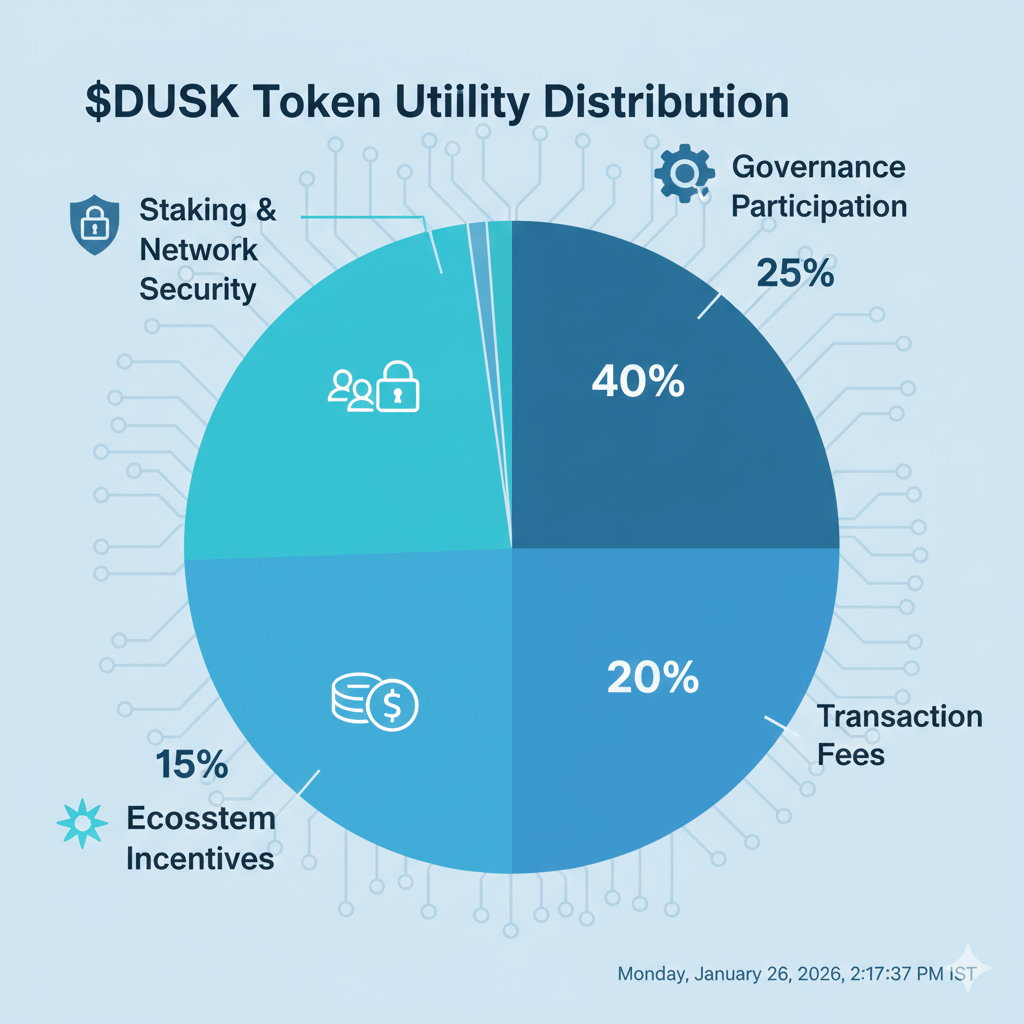
DUSK coin is not just a payment token. Validators stake DUSK to secure the network and participate in consensus. Users pay transaction fees in DUSK, and governance decisions depend on token holders. This connects the token directly to network activity. As usage grows, demand for DUSK grows through function, not speculation alone.
Can privacy-focused blockchains remain decentralized and secure?
This is a fair concern. Dusk addresses it through a privacy-preserving Proof-of-Stake mechanism. Validators confirm cryptographic proofs instead of raw transaction data. They do not need to see private information to verify correctness. This design keeps the network decentralized while protecting confidentiality.
Is Dusk built for experiments or real-world adoption?
Dusk is clearly focused on real-world use. The network supports confidential smart contracts, tokenized securities, and identity-aware financial products. These are not theoretical ideas. They are real needs for institutions that want blockchain benefits without exposing sensitive data. Dusk positions itself as infrastructure rather than a short-term trend.
Does that make DUSK a long-term project?
That depends on how important privacy becomes in the future of finance. As regulation increases and institutional adoption grows, privacy may shift from being optional to mandatory. Dusk is building for that future, even if it means slower recognition today.@Dusk #dusk $DUSK