
When people evaluate a blockchain, they often look at price first, technology second, and ecosystem last. In reality, the ecosystem is what determines whether a network survives.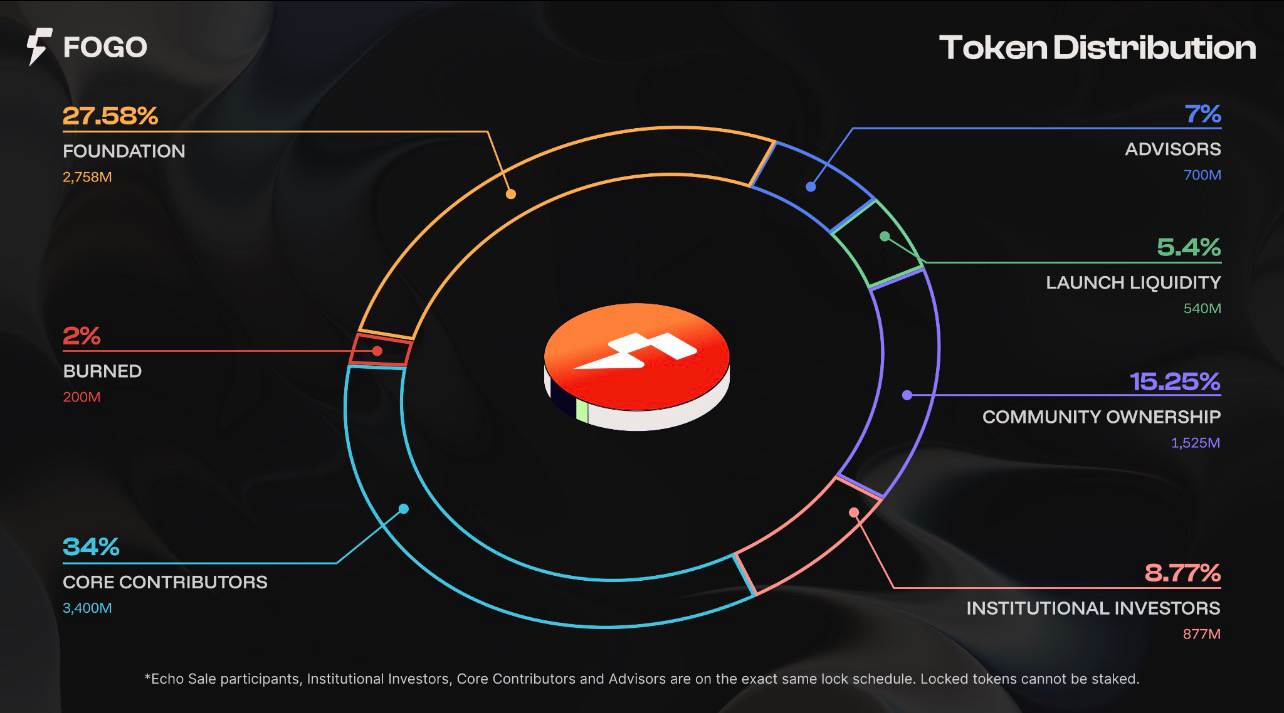
Looking deeper into @Fogo Official , what stands out is not just the number of projects, but how the pieces connect. The ecosystem is forming in a structure that resembles a complete financial stack rather than isolated applications.
At the base layer, infrastructure providers handle RPC, indexing, and data availability. This layer is invisible to most users, but it’s critical. Without reliable infrastructure, developers cannot build applications that scale, and traders cannot rely on execution speed.
On top of that, liquidity and trading protocols begin to form the economic engine of the network. Exchanges, derivatives platforms, and market-making environments are usually the first major drivers of volume on any high-performance chain. Volume attracts liquidity, and liquidity attracts more builders — this feedback loop is what accelerates ecosystem growth.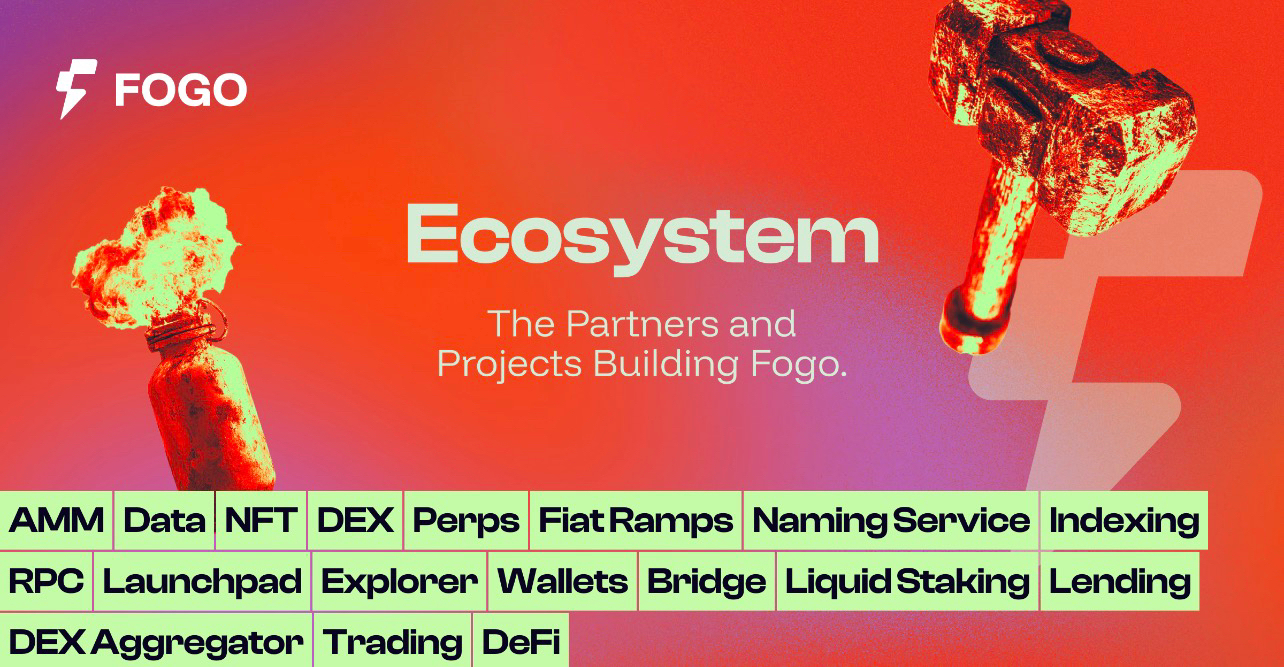
The next layer is capital efficiency. Lending, leverage, and staking solutions allow assets to remain productive instead of sitting idle. This is one of the most important developments in modern DeFi, because the same capital can support multiple parts of the ecosystem simultaneously.
Another key component is accessibility. Wallet integrations and cross-chain bridges reduce friction for users entering the network. A chain that is difficult to access rarely grows, no matter how strong its technology is.
What makes this interesting is timing. Ecosystems usually expand quietly before a major narrative forms. By the time attention arrives, the foundations are already in place.
Right now, the ecosystem around $FOGO still feels early, but the structure being built suggests a long-term strategy rather than a short-term hype cycle. And in crypto, infrastructure built early often becomes the backbone of the next wave.