
In the fast-moving world of blockchain, speed and efficiency have become more than just selling points—they’re essential. Fogo is emerging as a next-generation Layer-1 blockchain that’s turning heads because it’s built on the Solana Virtual Machine (SVM), bringing high-speed performance to decentralized finance, real-time applications, and even high-frequency trading. The project focuses on solving a core problem: making blockchain transactions as fast and seamless as traditional financial systems, without losing the benefits of decentralization.
Fogo’s approach is simple but effective. Unlike many networks that prioritize decentralization at the expense of speed, Fogo optimizes for latency, throughput, and real-world financial use cases. Its ultimate aim is to bring blockchain performance closer to what institutions like NASDAQ and other electronic trading platforms deliver, while still operating in a trustless, decentralized environment.
One of the biggest technical advantages Fogo has is its compatibility with the Solana Virtual Machine. This means developers familiar with Solana can easily build or migrate their applications to Fogo, using the same programming tools and smart contract standards. The network also leverages the Firedancer validator client, originally developed by Jump Crypto, which is lean and highly optimized. This allows Fogo to produce blocks in as little as 40 milliseconds, giving it an edge in speed and scalability that few other blockchains can match. The network’s fast finality ensures that transactions are confirmed almost instantly, which is critical for financial applications where every millisecond counts.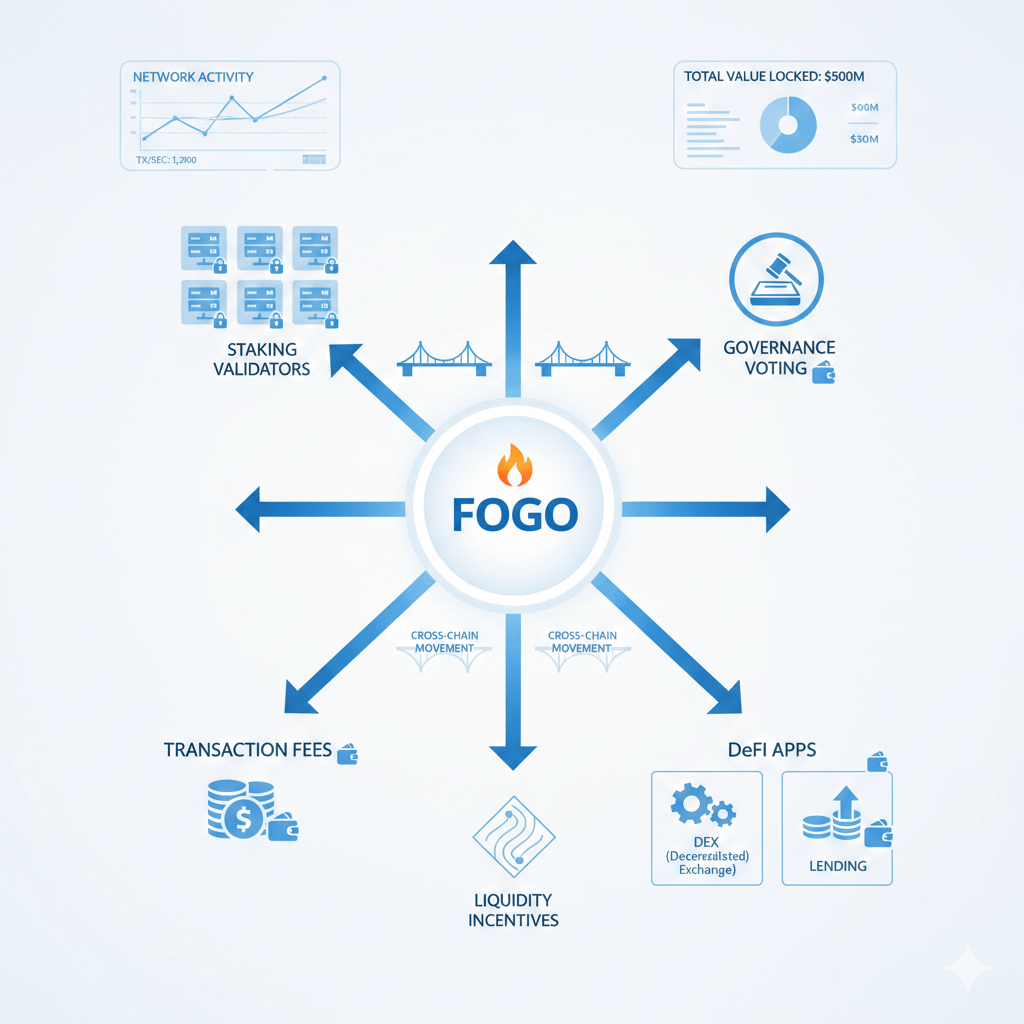
At the center of the ecosystem is the FOGO token. It’s not just a tradable asset; it’s an essential part of how the network functions. Users pay transaction fees in FOGO, validators stake it to secure the network and earn rewards, and token holders can participate in governance to shape the future of the protocol. Additionally, FOGO is used to incentivize ecosystem growth, rewarding builders, liquidity providers, and contributors to encourage wider adoption. By carefully managing token distribution, the team aims to balance growth with network stability.
The Fogo ecosystem is already taking shape with a range of applications in DeFi, wallets, and cross-chain tools. Decentralized finance platforms like FluxBeam DEX and Fogolend are providing trading, lending, and yield services, while wallets such as Leap Wallet make it easy for users to manage assets and interact with the network. Bridges like Wormhole facilitate movement of assets between chains, increasing liquidity and interoperability. Tools like Fogoscan provide real-time insights into transactions and network activity, helping users navigate the ecosystem with confidence.
Since its mainnet launch in early 2026, Fogo has attracted attention on major exchanges, but like any early-stage blockchain, it has experienced market volatility. This is normal for a project in its growth phase. What sets Fogo apart is its focus on real utility—ultra-low latency, high throughput, and developer-friendly architecture—which continues to draw interest from advanced users and institutional players seeking reliable performance. 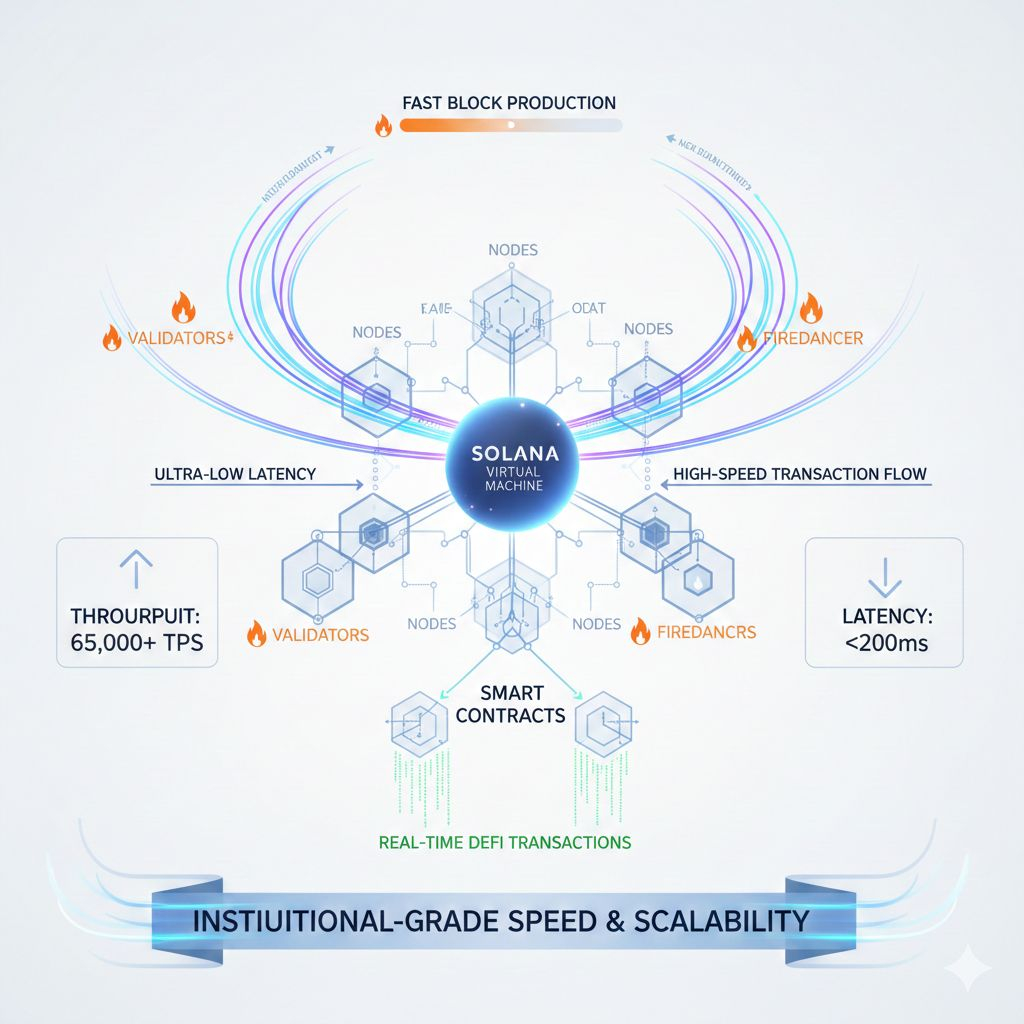
Looking ahead, Fogo plans to expand its ecosystem further, encouraging more developers to build on the platform. New DeFi protocols, NFT marketplaces, and cross-chain integrations are expected to increase utility and adoption. The team is also focused on institutional adoption, targeting areas like tokenized assets, derivatives, and on-chain trading, where speed and low latency are critical. On the technology front, Fogo aims to refine its validator architecture and performance optimizations to maintain its position as a high-performance Layer-1 blockchain.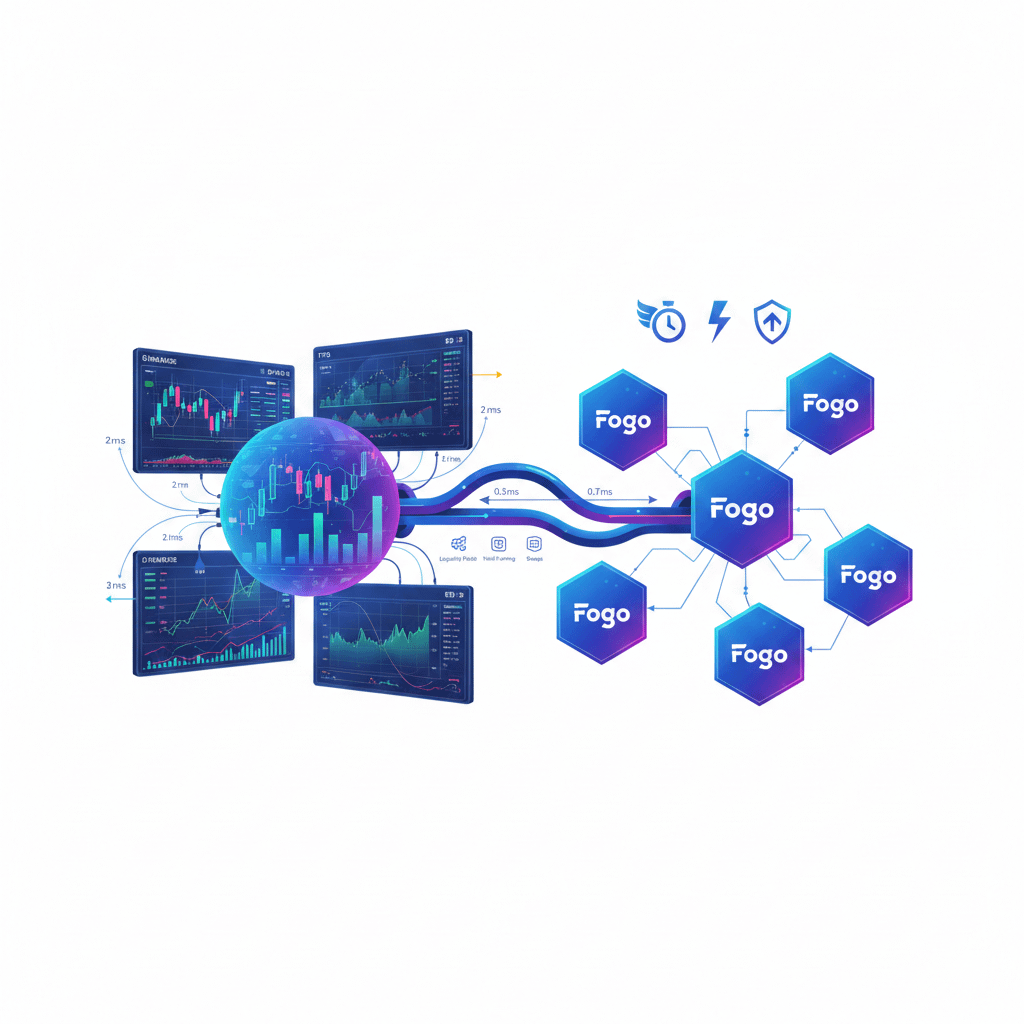
Fogo represents a compelling story in the evolving blockchain landscape. It’s not just another network chasing hype; it’s a performance-driven platform that bridges the gap between traditional finance speed and decentralized innovation. While adoption challenges and market volatility remain real, its technology, token utility, and growing ecosystem suggest that Fogo could become an important player for developers and traders who need speed, reliability, and low-cost execution on-chain.