
To understand whether an ecosystem can sustain long-term growth, it’s not enough to look at the number of projects. The real question is: how does capital move inside the network? That’s the part of the ecosystem around @Fogo Official that deserves deeper attention.
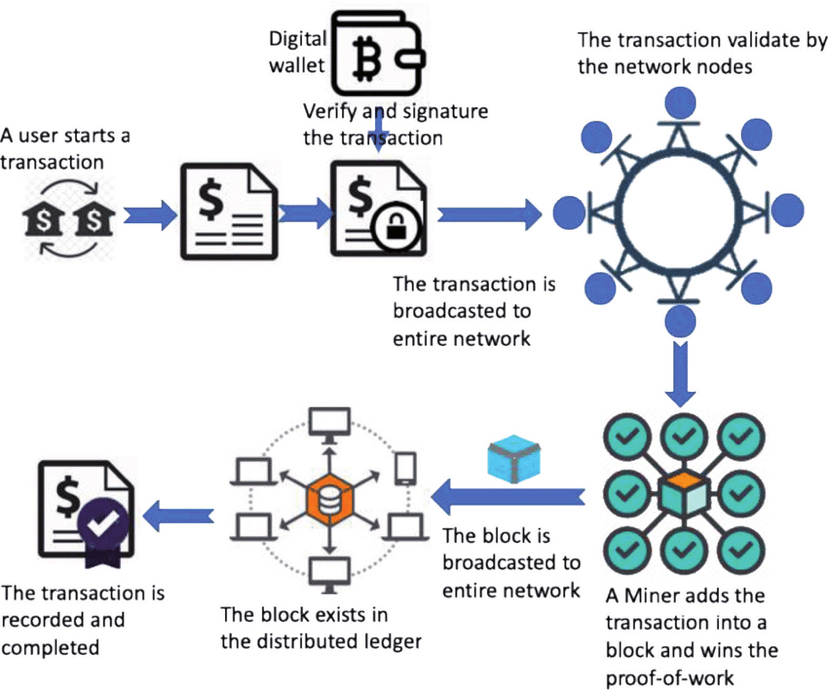 In strong DeFi environments, capital rarely stays in one place. Liquidity enters through trading venues, moves into lending markets, rotates into liquidity pools, and sometimes returns to derivatives platforms. This circulation increases efficiency, because the same capital can support multiple layers of activity instead of remaining idle.
Trading infrastructure usually acts as the entry point. It generates volume and attracts liquidity providers. Once liquidity becomes stable, lending protocols and leverage platforms begin to expand, allowing traders and investors to use capital more efficiently. This stage often marks the transition from a simple ecosystem to a self-sustaining financial environment.
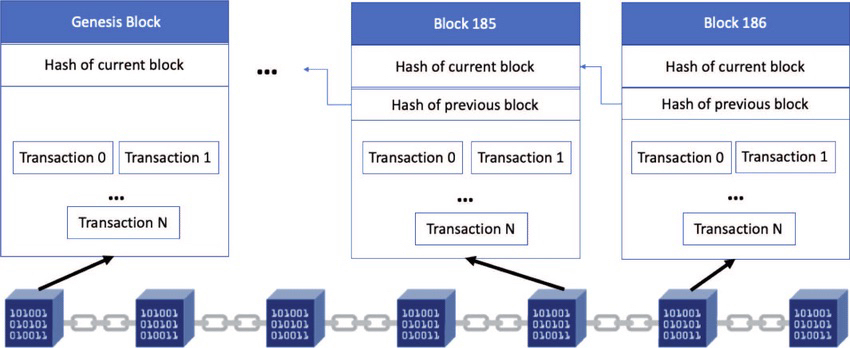 Another important factor is stability. Ecosystems where capital flows between multiple sectors are less vulnerable to sudden drops in activity. If trading volume slows temporarily, lending, staking, or other financial services can continue generating yield and maintaining engagement.
What makes this dynamic interesting in the case of $FOGO is that several components required for this cycle are already forming. Infrastructure supports execution, trading platforms attract liquidity, and financial tools help capital circulate. When these elements mature together, network effects can accelerate rapidly.
Most people only notice ecosystems when the activity becomes obvious. But the early phase — when liquidity pathways are just starting to form — is often the most important stage of all.