
While Bitcoin has tumbled to $83,000 and the broader cryptocurrency market faces sustained bearish pressure, Plasma and its native token XPL have demonstrated remarkable resilience. This Layer 1 blockchain, launched in September 2025, has carved out a unique position in the market by focusing specifically on stablecoin payments rather than competing in the crowded general-purpose blockchain space.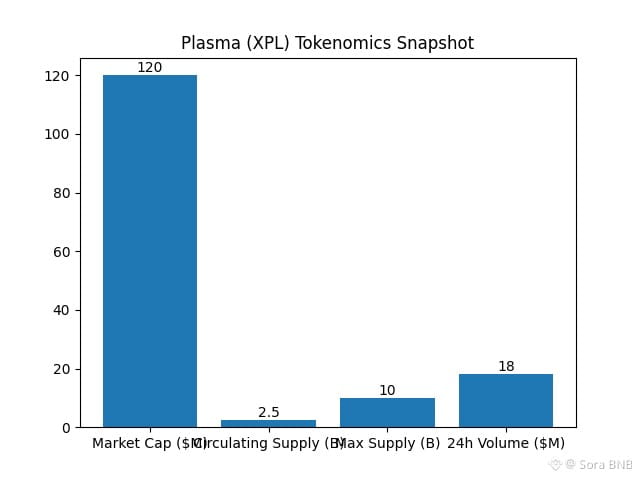
The key to Plasma’s strength lies in its specialized design for stablecoin transactions, particularly USDT. By prioritizing utility for global payments, remittances, and fintech integrations, Plasma has insulated itself from the volatility that typically hammers altcoins during market downturns. Stablecoins maintain their pegs to fiat currencies like the US dollar, effectively creating a safe haven ecosystem that continues functioning regardless of broader market sentiment.
Beyond its structural advantages, Plasma has built genuine traction within its DeFi ecosystem. The network boasts the highest Aave utilization rate in the industry, signaling efficient capital deployment and authentic demand from traders rather than speculative hype. This fundamental strength suggests real users are choosing Plasma for practical applications rather than purely speculative trading.
The timing of Plasma’s stablecoin-native approach aligns perfectly with industry evolution toward infrastructure projects that deliver tangible value. As the stablecoin market is projected to reach trillions of dollars by the end of the decade, with some forecasts suggesting over one trillion dollars by late 2026, Plasma is positioned at the intersection of necessity and growth. While other projects chase abstract concepts, Plasma addresses concrete pain points in global payments, making it less susceptible to the sentiment-driven crashes that plague speculative assets during bear markets.