
Blockchain was never take as read to be about choosing speed over security or convenience over decentralization. The whole point was to build systems that could grow without losing the values that made them worth using in the first place. That’s where Plasma is trying to do things differently.
Instead of hunt flashy numbers or short term performance boosts, @Plasma is focused on how blockchains behave when real people actually use them. Not in perfect lab conditions, but during busy periods, heavy activity, and long term growth. That difference in mindset matters more than most people realize.
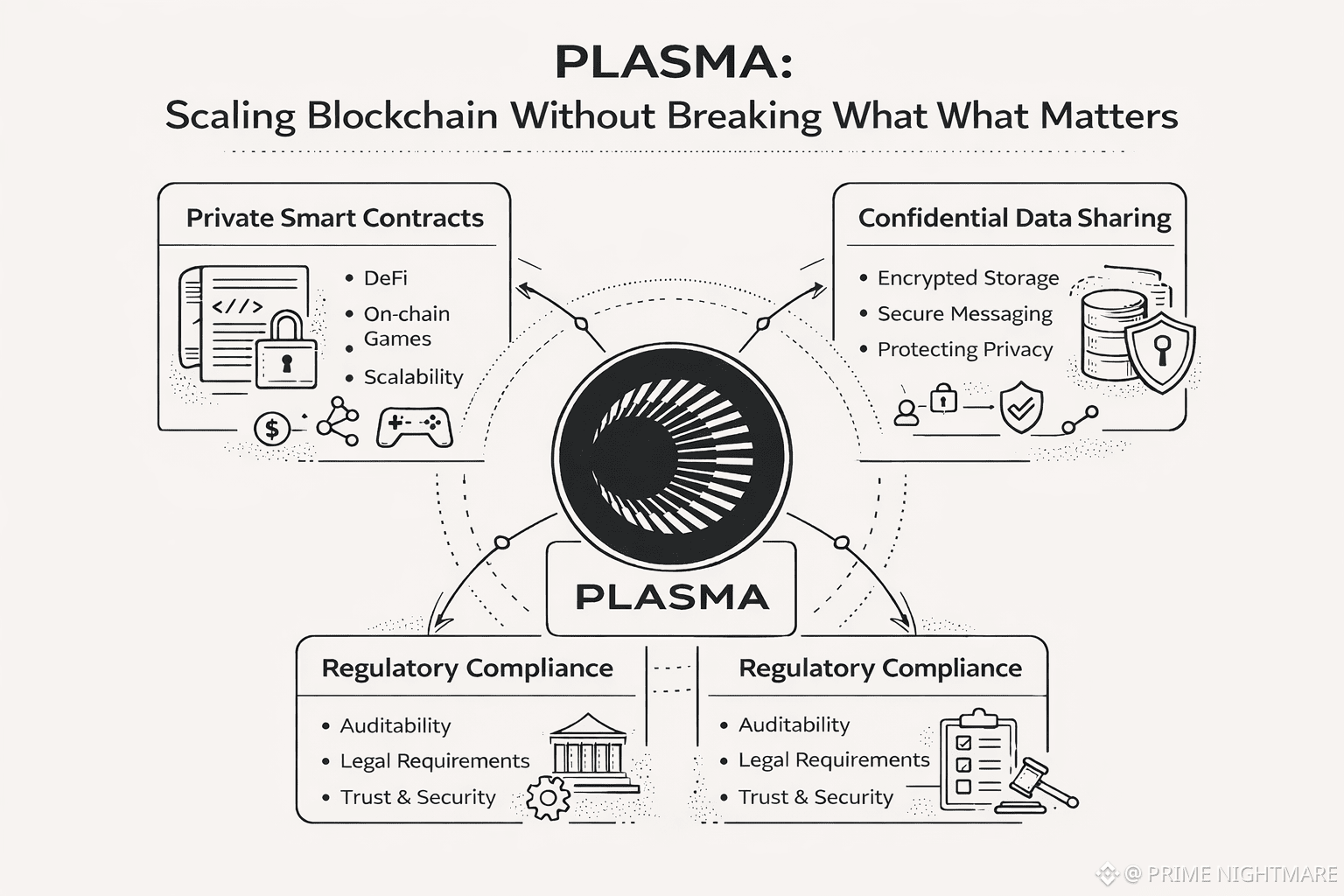
Why Plasma Is Relevant Right Now
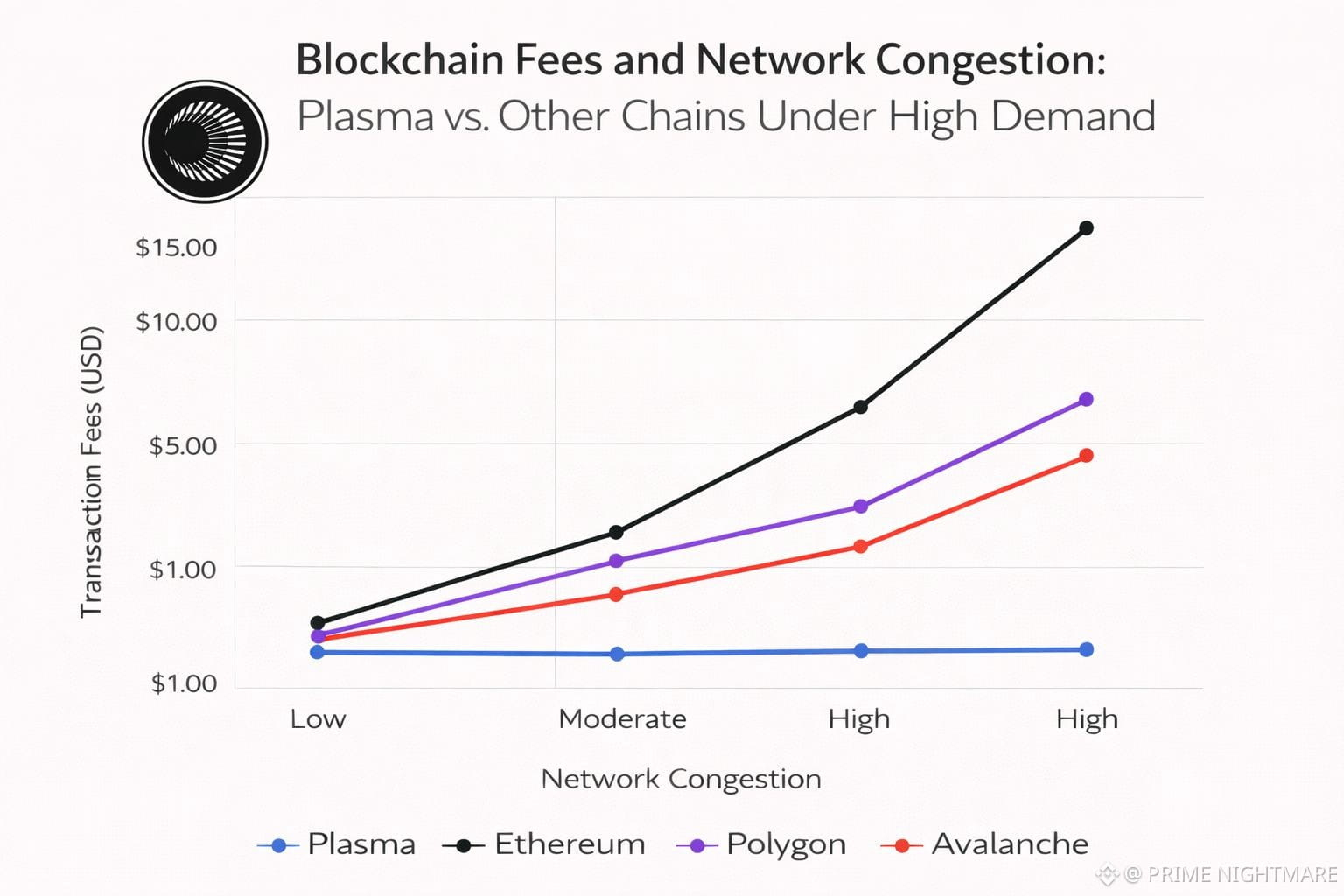
A lot of blockchains talk about high transactions per second and cheap fees. Fewer talk about what happens when thousands of users show up at once. We’ve all seen networks slow down, fees spike, or transactions fail when demand increases. Plasma is built to avoid those moments by designing scalability directly into the protocol.
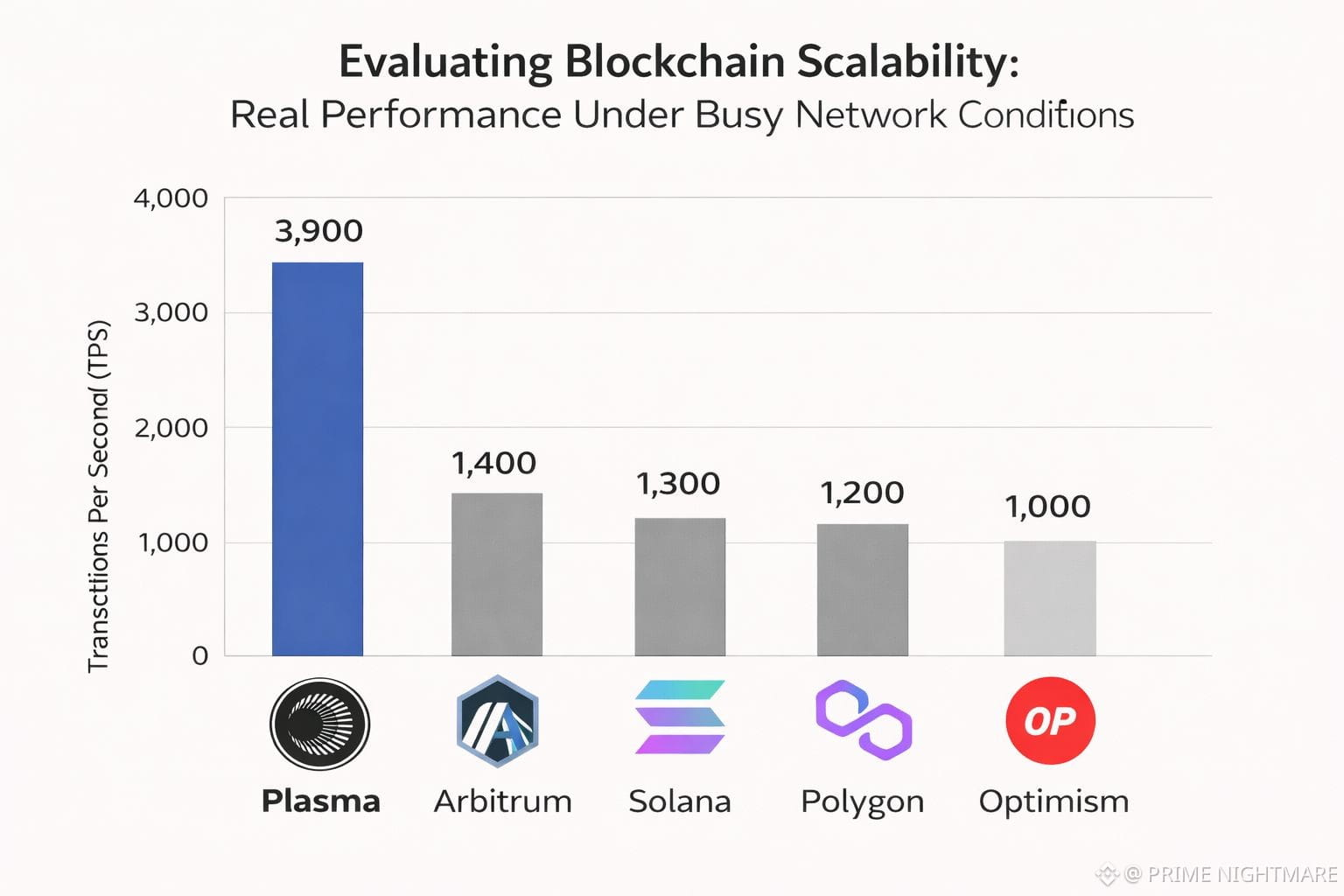
The goal isn’t just speed. It’s consistency. Plasma aims to keep performance predictable even as usage grows. That’s critical for things like DeFi, on-chain games, and real applications where hold up or failures aren’t just annoying, they break the experience.
By focusing on execution efficiency and smart architecture choices early on, Plasma is trying to solve problems before they become emergencies. That’s a more responsible approach than patching issues later when users are already frustrated.
What Role $XPL Plays
Every network needs an economic core, and for Plasma that role belongs to XPL. This isn’t just a token for moving worth around. It’s bind directly to how the network operates.
XPL is used to secure the network, participate in governance, and align incentives between validators, developers, and users. As Plasma sees more activity, the token becomes more important to the system itself. That’s how real utility is created. Not through hype, but through use.
In a market that’s becoming more selective, tokens that exist only for speculation are no longer have relevance. XPL is designed to grow in importance as the network grows, which is how long term value is actually built.
Built for Developers Who Want to Ship
One thing Plasma does right is putting builders first. Developers don’t want to fight infrastructure. They want tools that work, costs that wait reasonable, and performance they can depend on.
Plasma focuses on making smart contract performance scalable without forcing developers to constantly work around restrictions. Lower rubbing means faster development, better products, and more real users. That’s how ecosystems grow in a sustainable way.
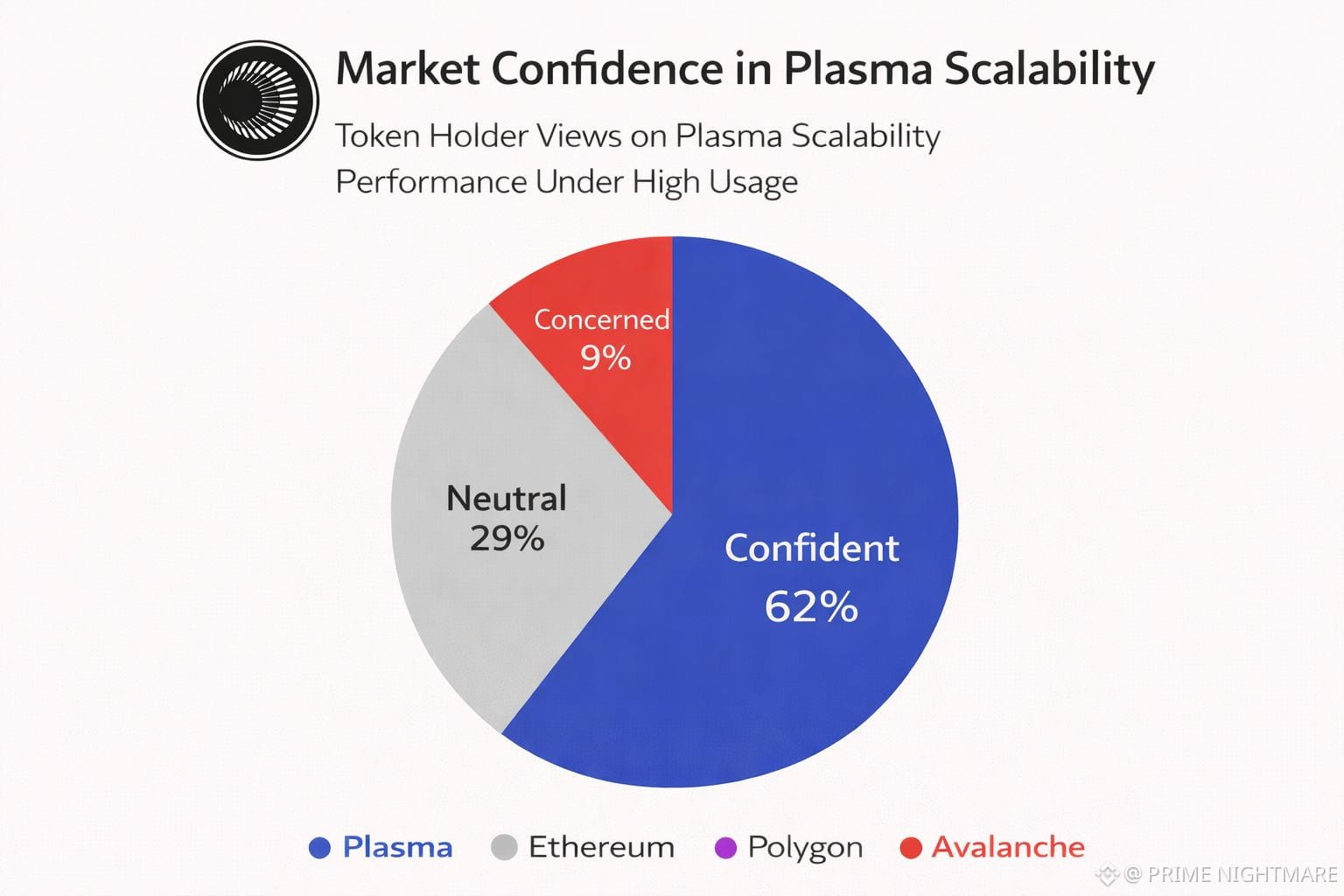
If Web3 wants to reach people outside the crypto bubble, the experience has to feel normal. Plasma is clearly aiming for that level of usability.
A Foundation for What Comes Next
As blockchain adoption keeps moving forward, infrastructure choices will decide which networks last and which fade out. Plasma isn’t trying to be a quick trend. It’s positioning itself as a serious foundation for long term growth.
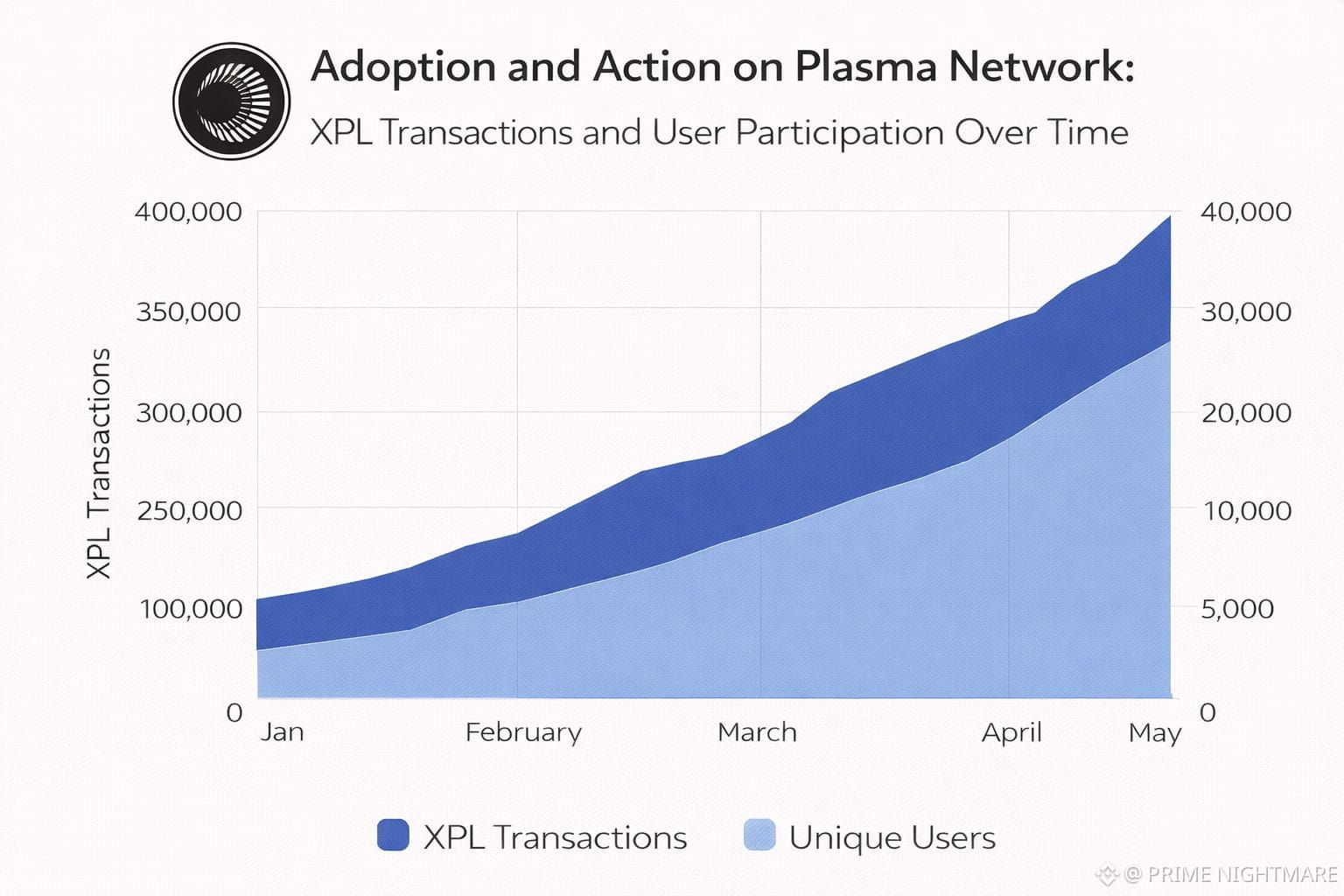
For anyone who values solid engineering over noise, Plasma is worth watching. Follow plasma, pay attention to how XPL is used across the ecosystem, and keep an eye on how real scalability solutions start to separate themselves from empty promises. #Plasma

