

Among the digital asset markets, the U.S. Crypto Market Structure Bill is one of the most essential issues, with and without informational content trending on numerous platforms such as Binance as investors and creators seek clarity. The bill marks the most comprehensive attempt so far by America lawmakers to establish the operational nature of the cryptocurrencies, exchanges, and blockchain-allied financial systems through federal law. Its significance extends way beyond the scope of politics, because it might lead to United States staying on the digital finance innovations or falling behind in the global driving force.

Why it's necessary to read?
To a large part of the history of crypto in the U.S. regulation has been in a gray zone. Various agencies have adopted overlapping or conflicting stances with the Securities and Exchange Commission frequently holding that many tokens are securities and the Commodity Futures Trading Commission holding jurisdiction over such assets as Bitcoin as commodities. Such unmarked boundaries has brought confusion on exchange, developers and institutional investors most of whom have put off on the expansion or shifted operations offshoring. This is meant to be addressed with the help of the Crypto Market Structure Bill where the industry will gain more defined definitions, regulatory functions, and the standards of its operations.
The act is aimed at establishing a system, which defines the classification of digital assets and their regulators. One of these themes is giving more definite powers to the CFTC in governing the digital commodities spot markets but maintaining the role of the SEC in the control of the securities. Precision in defining the responsibility is likely to be the solution that enables lawmakers to eliminate the regulatory overlap and produce a predictable condition wherein companies are aware of the rules to be followed prior to constructing or introducing products.
Understand the Concept of Bill
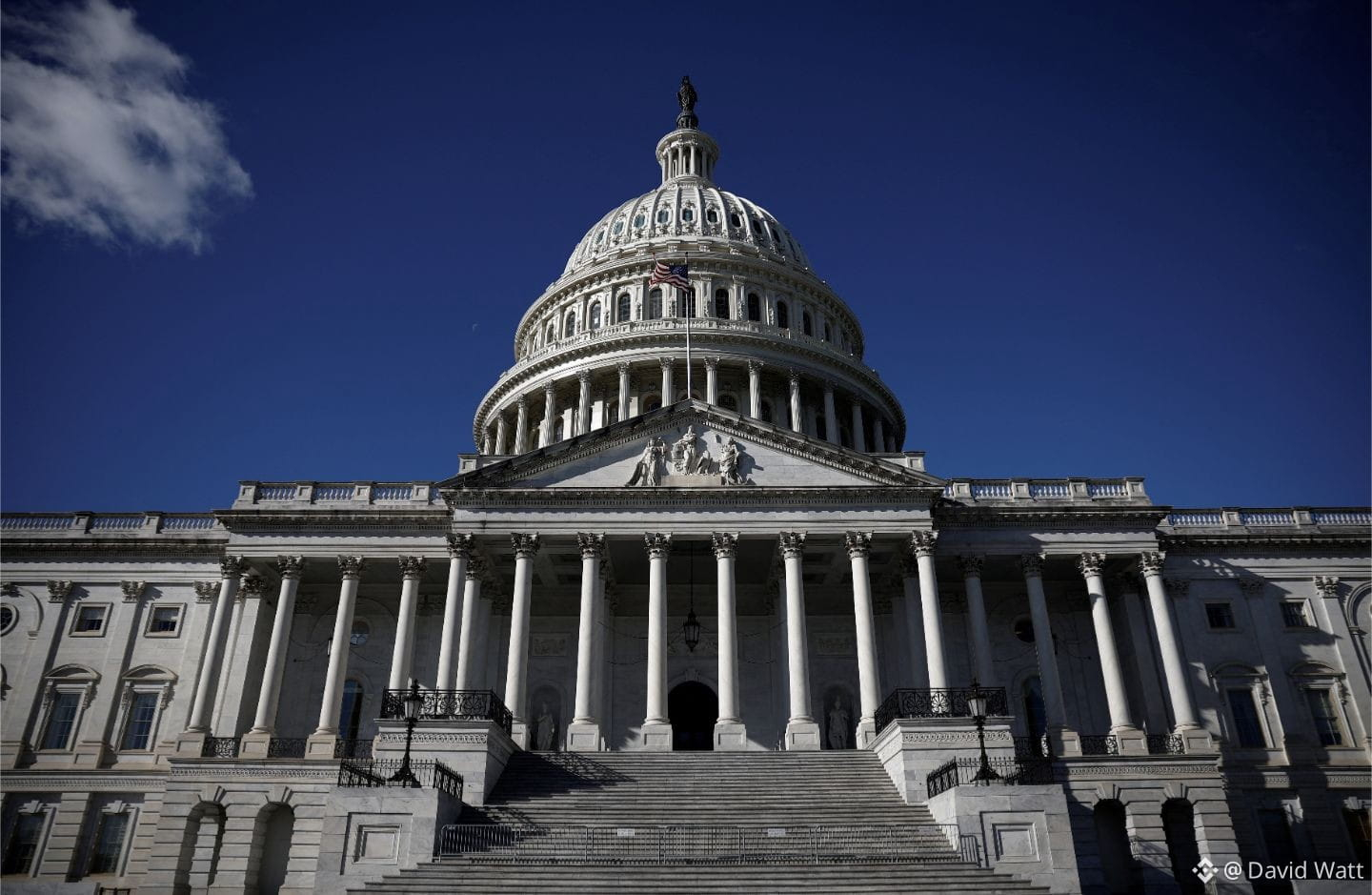
The bill has not been moving through evenly. An initial form of it has already made it through the House of Representatives with bi partisan approval which is an early indication that there is a wide understanding that there is a need to create regulatory clarity. The Senate has been more cumbersome and tedious where committee votes tend to divide with the party-lines. Political wrangles, coupled with conflicting priorities and election periods have slowed the eventual passage and relegated important decisions even more to history.
The response in the industry has been varied. The idea of having unambiguous rules is welcome by many companies, which claim that institutional capital will not be able to enter the field to the fullest. Others have objected that some of the provisions will limit innovation, especially with stablecoins and decentralized finance. Certain industry giants have even reversed their position on certain bills claiming that certain sections of the bill may inadvertently concentrate power or will hurt crypto-native models.
Everyone Should Know
The most delicate issue of the debate is stablecoins. The concern of law makers and conventional financial institutions is how it would affect the banking system particularly when stablecoins have the ability to create yield-related incentives. Meanwhile, crypto companies claim that stablecoins are the key infrastructure needed in payment, remittances, and international trading. Balancing financial stability and innovation in the bill will be very key to the success of the bill.
The extended effects of the Crypto Market Structure Bill are massive. With passing it may open the doors to increased institutional engagement, better protection of the consumers, and allow the U.S. to reclaim its position as the other areas such as the European Union and the United Kingdom proceed with more transparent regulatory systems. Delayed too long, the danger is that the innovation will keep moving out and the U.S will fail to create the future of digital finance.
After all, the bill is not regulatory text. It is an indication of the seriousness with which the U.S. takes crypto as a financial technology to be used over time and not as a trend. Regardless of whether it is passed into law soon or remains stagnant, the very discussion is a milestone. The policies developed concerning this legislation will influence the shaping of the crypto markets, their working, and the involvement of the institutions in it as well as the creation of the financial infrastructure of the next century in the United States.