
The moment didn’t announce itself.
Inside a live Vanar-built environment, the scene advanced the way it always does. Inputs resolved. The session carried forward. Nothing stalled, nothing flashed, nothing asked me to confirm what had just happened. The experience behaved exactly as designed.
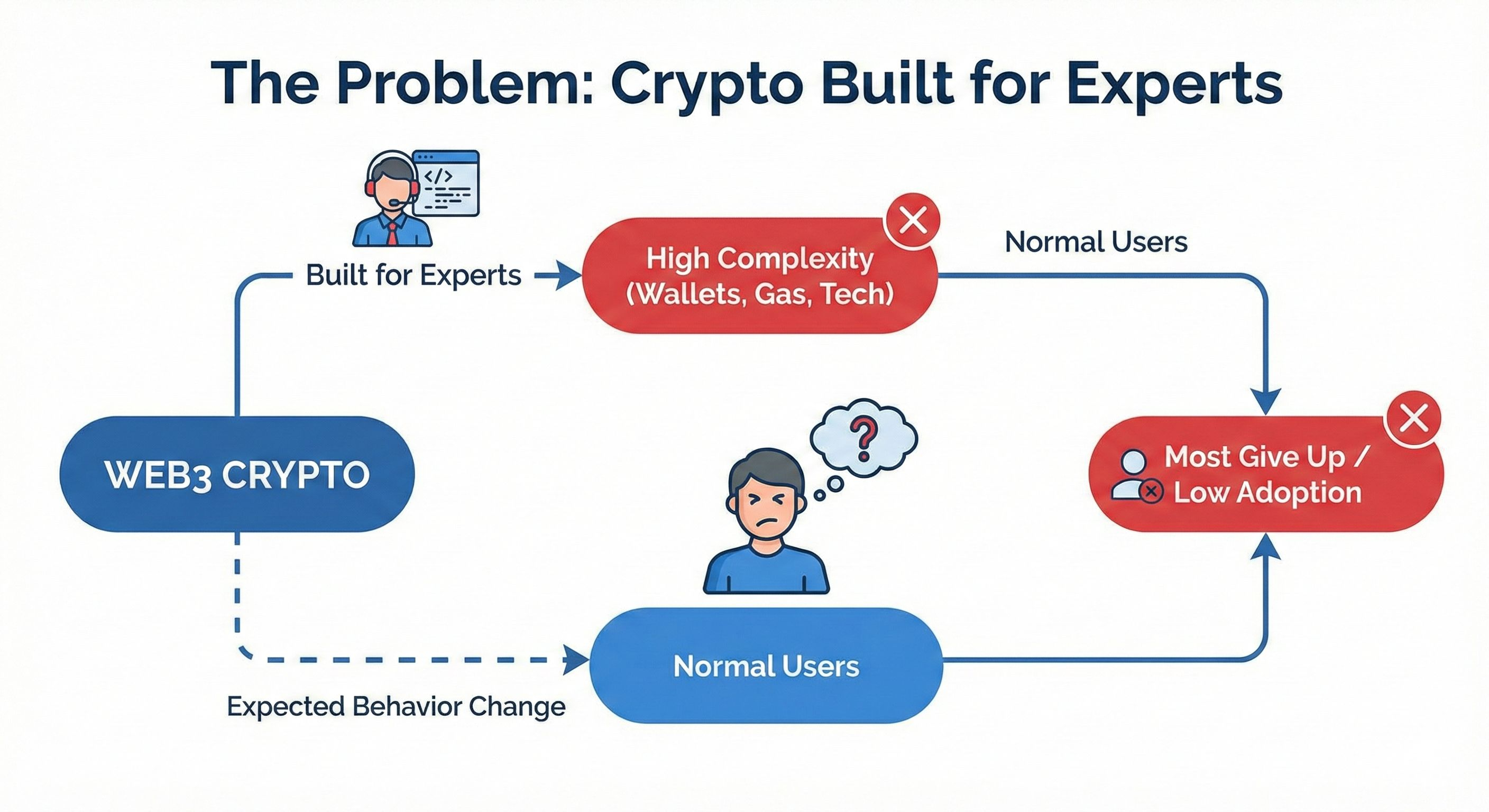
My assumption was simple:
completion would surface somewhere later.
It usually does.
This time, it didn’t.
I only noticed because I went looking for a place to point at afterward. Not because something failed. Not because the flow broke. Everything that mattered to the experience had already moved on. The state clearly changed. The world didn’t hesitate.
What was missing wasn’t data.
It was a boundary.
In environments like Virtua Metaverse, continuity isn’t a side effect, it’s the rule. Sessions overlap. Presence persists. Motion is treated as default, and pauses are treated as cost. Nothing waits for orientation.
And nothing waits for verification either.
There was no banner to acknowledge.
No receipt-shaped surface to return to.
No checkpoint that said, “this part is done.”
The experience didn’t feel unfinished.
It felt indifferent to the idea of being finished at all.
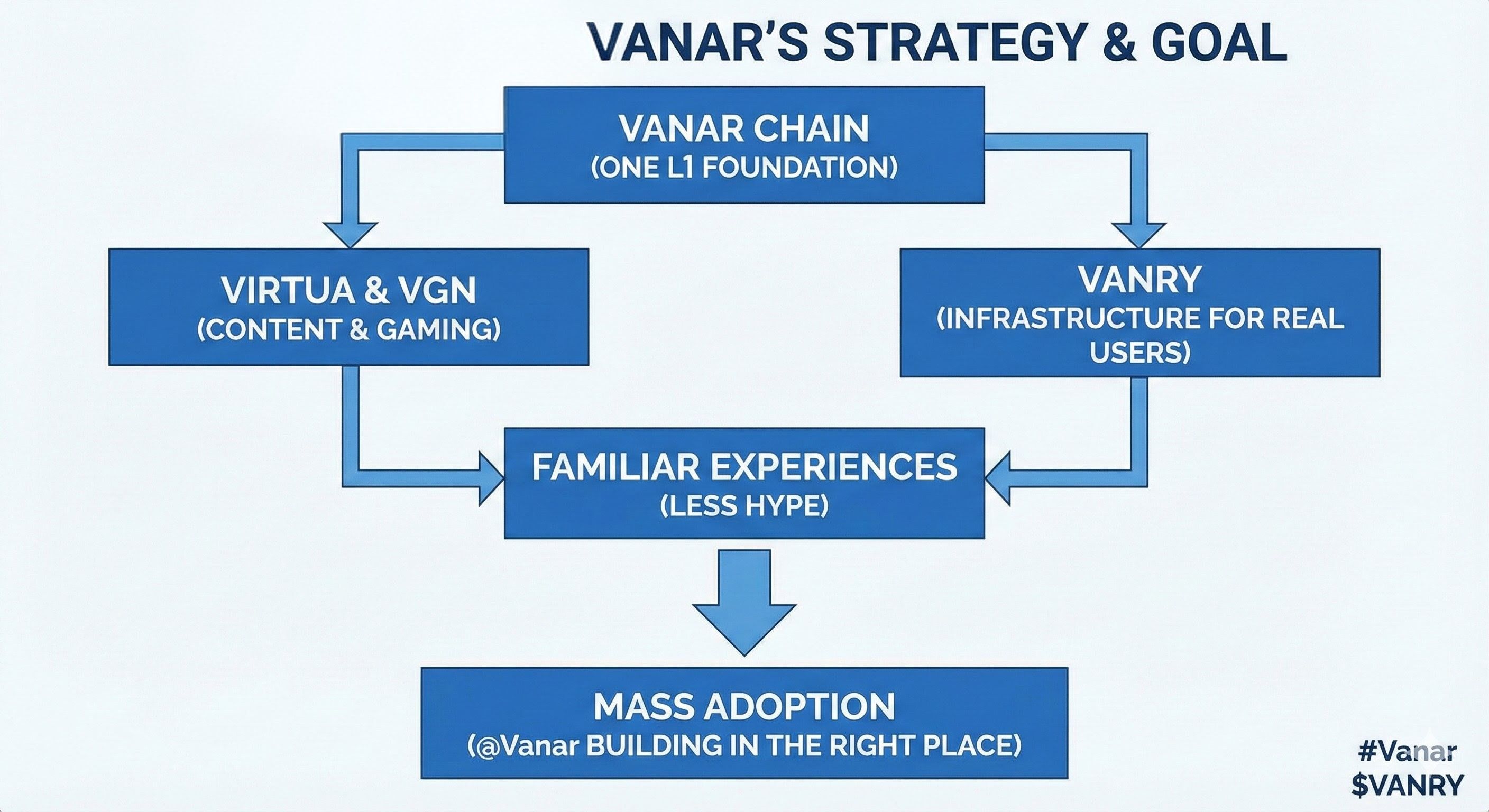
From an architectural distance, this makes sense. Vanar Chain environments are built for consumer-scale flow, not ceremonial stops. Games, live moments, interactive brand spaces can’t afford to interrupt themselves to explain.
But that design choice quietly relocates responsibility.
After the moment passed, coordination work appeared anyway. Someone checked another surface. Someone refreshed a session that had no reason to refresh. Someone asked where the result was supposed to live now.
No one questioned the system.
They questioned where certainty belonged.
This shows up most clearly in VGN Games Network environments, where traffic never thins and sessions are designed to stack. The world keeps moving forward while verification is reconstructed later, from the outside.
Nothing here is broken.
That’s the uncomfortable part.
The experience delivered exactly what it promised. It protected momentum by refusing to interrupt it. What it didn’t do was create a clean edge where proof could settle comfortably.
The experience continues.
The responsibility arrives later.
And this will happen again.