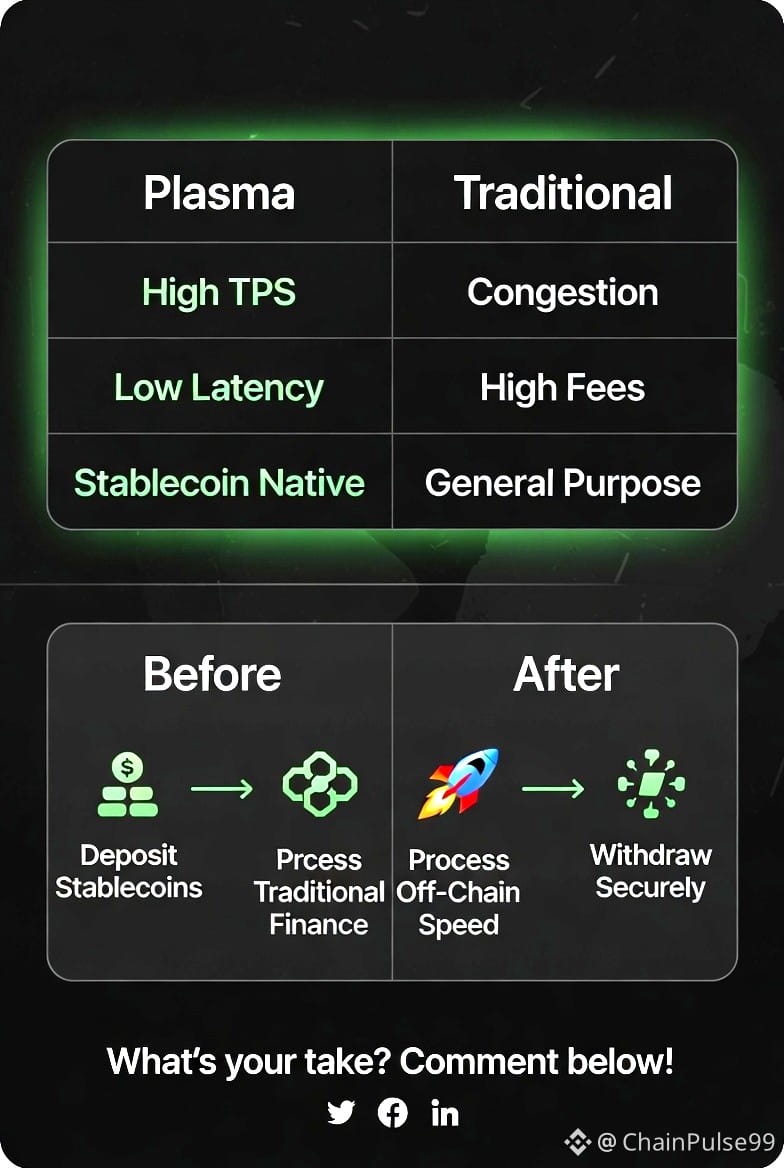
At its core, Plasma addresses a critical pain point in the crypto space: the inefficiency of handling stablecoin transactions at scale. Unlike general-purpose blockchains that juggle everything from DeFi to NFTs, Plasma is laser-focused on stablecoins like USDT, USDC, and others. This specialization allows it to deliver high throughput—processing thousands of transactions per second—without the congestion that plagues networks like Ethereum during peak times. Built with a pipelined Fast HotStuff consensus mechanism, Plasma ensures rapid finality and low latency, making it ideal for real-time payments in remittances, e-commerce, and cross-border finance.
One of Plasma's standout features is its full EVM (Ethereum Virtual Machine) compatibility. Developers can deploy smart contracts using familiar tools like Solidity, without needing custom compilers or bridging layers. The execution layer is powered by Reth, a high-performance Rust-based client that's modular and optimized for stability. This means dApps built on Plasma can scale effortlessly, with predictable gas fees that hover near zero— a far cry from the volatility seen on other chains. Imagine building a payment app that handles millions in stablecoin volume daily, all while maintaining the security and decentralization of a Layer 1 network.
The native token, XPL, plays a pivotal role in Plasma's ecosystem. It's not just a utility token; it's designed to incentivize network participation and growth. Validators earn XPL rewards for securing the chain, while users pay minimal fees in XPL for transactions. The tokenomics are thoughtfully structured to bridge crypto natives and traditional institutions, with allocations for community campaigns, partnerships, and long-term staking rewards. With a total supply capped to prevent inflation, XPL aims to appreciate as adoption grows, potentially unlocking trillions in on-chain value as more financial systems migrate to blockchain.
But Plasma isn't just about tech specs—it's about real-world impact. By enabling zero-fee, instant stablecoin transfers, it could disrupt legacy systems like SWIFT, which are slow and costly. Early adopters include fintech firms exploring programmable money, where stablecoins become the backbone of automated, transparent finance. Of course, challenges remain: building liquidity for XPL and ensuring regulatory compliance in a fragmented global landscape. Yet, with its focus on transparency and programmability, Plasma positions itself as a foundational layer for the next era of digital finance.
In summary, Plasma represents a bold step toward a more inclusive financial system. For investors and builders alike, it's worth watching as it evolves from a specialized chain into a cornerstone of stablecoin infrastructure. If you're diving into crypto payments, Plasma might just be the platform that propels your ideas forward.