
I have been observed how conversations around regulation usually start with a sigh. You can hear it even in silence. Someone leans back, says something about “innovation being slowed”, and the topic quietly dies. That reaction has been around for years, and I used to share it. Lately, though, I am less sure it makes sense. Especially when I look at what is happening in Europe and how a network like Plasma Network is choosing to move.
There is a strange gap right now between what crypto says it wants and how it behaves. Everyone talks about institutions as if they are mythical creatures. Pension funds. Banks. Large payment processors. Yet most projects still design systems as if those players should adapt later, somehow, after everything is already live. That tension is uncomfortable. It has been for a while.
A friend of mine once compared crypto to a pop up restaurant that became popular overnight. Great food, no permits, no clear owner, cash everywhere. It works until someone asks about hygiene standards or insurance. Plasma’s EU push feels like deciding to slow down, file the paperwork, and put a name on the door. Less exciting. More durable.
What Plasma actually does is simple to explain without buzzwords. It focuses on moving stable value on chain in a way that businesses can account for. Not speculate on. Not gamble with. Just move and settle. If you strip away the language, it is about predictability. The kind that finance teams care about more than developers do.
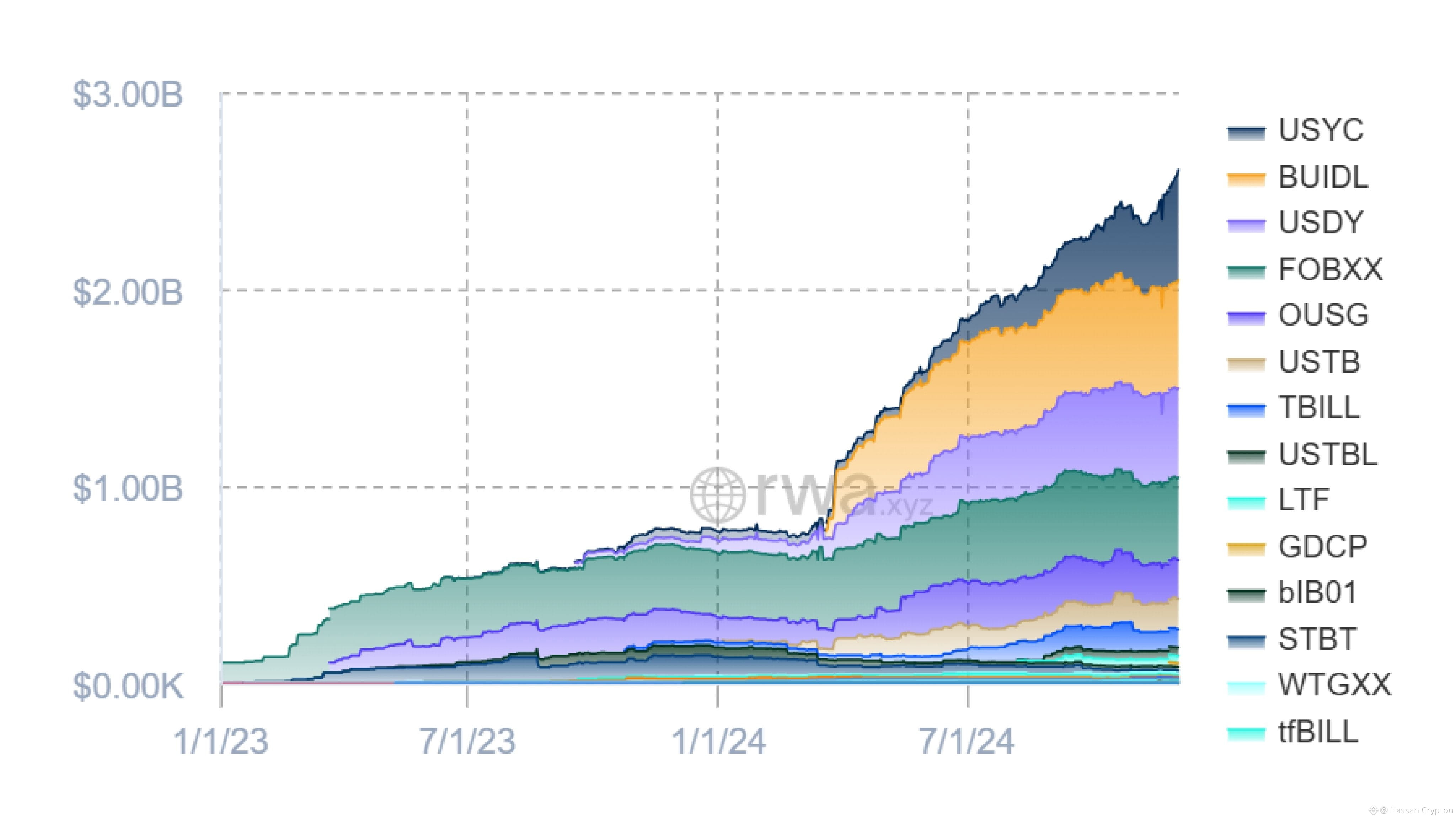
This was not always the plan. Earlier versions of Plasma leaned into performance and cost efficiency, like most networks around 2022 and early 2023. Fees mattered. Throughput mattered. But something kept happening underneath. Interest calls with institutions ended politely and went nowhere. The same questions kept coming back. Who is responsible if something breaks. Where are reserves held. Which rules apply if a regulator calls. By late 2024, those questions stopped being theoretical. Europe’s regulatory environment hardened. MiCA moved from discussion to enforcement timelines. By January 2026, stablecoin related infrastructure serving EU users is expected to meet their standards around disclosures, governance, and asset backing. This is not vague guidance. It is operational reality. Fail to comply, and you do not just get fined. You get excluded.
Plasma did not respond with marketing. It responded with structure. Governance models that can point to accountability instead of abstractions. Reserve transparency designed to align with EU expectations, not social media trust. A clearer separation between network operations and custody responsibilities. None of this is glamorous. It does not trend well. But it changes the texture of conversations with compliance teams.
What is interesting is how quiet institutional interest actually looks. It does not announce itself. It shows up as cautious pilots, limited corridors, internal approvals that take months. In 2025, public disclosures across European financial institutions suggested that fewer than one in five blockchain pilots moved beyond internal testing. The reason was not speed or cost. It was uncertainty. Legal, operational, reputational. Plasma seems to be designing specifically for that uncertainty. Not trying to eliminate it completely. That would be unrealistic. But reducing it enough that a risk committee can breathe. That is a different mindset from chasing volume or developer mindshare.
I will not pretend this approach is universally attractive. There is a cost. Regulatory alignment slows iteration. It adds overhead. It forces trade offs that some builders will never accept. Liquidity does not rush in when rules are strict. Communities do not always rally around compliance roadmaps. That friction is real. Still, institutions do not move because something feels exciting. They move because something feels boring in the right way. Steady. Auditable. Familiar. Plasma’s strategy seems to understand that boredom is not a failure state. It is often the goal.
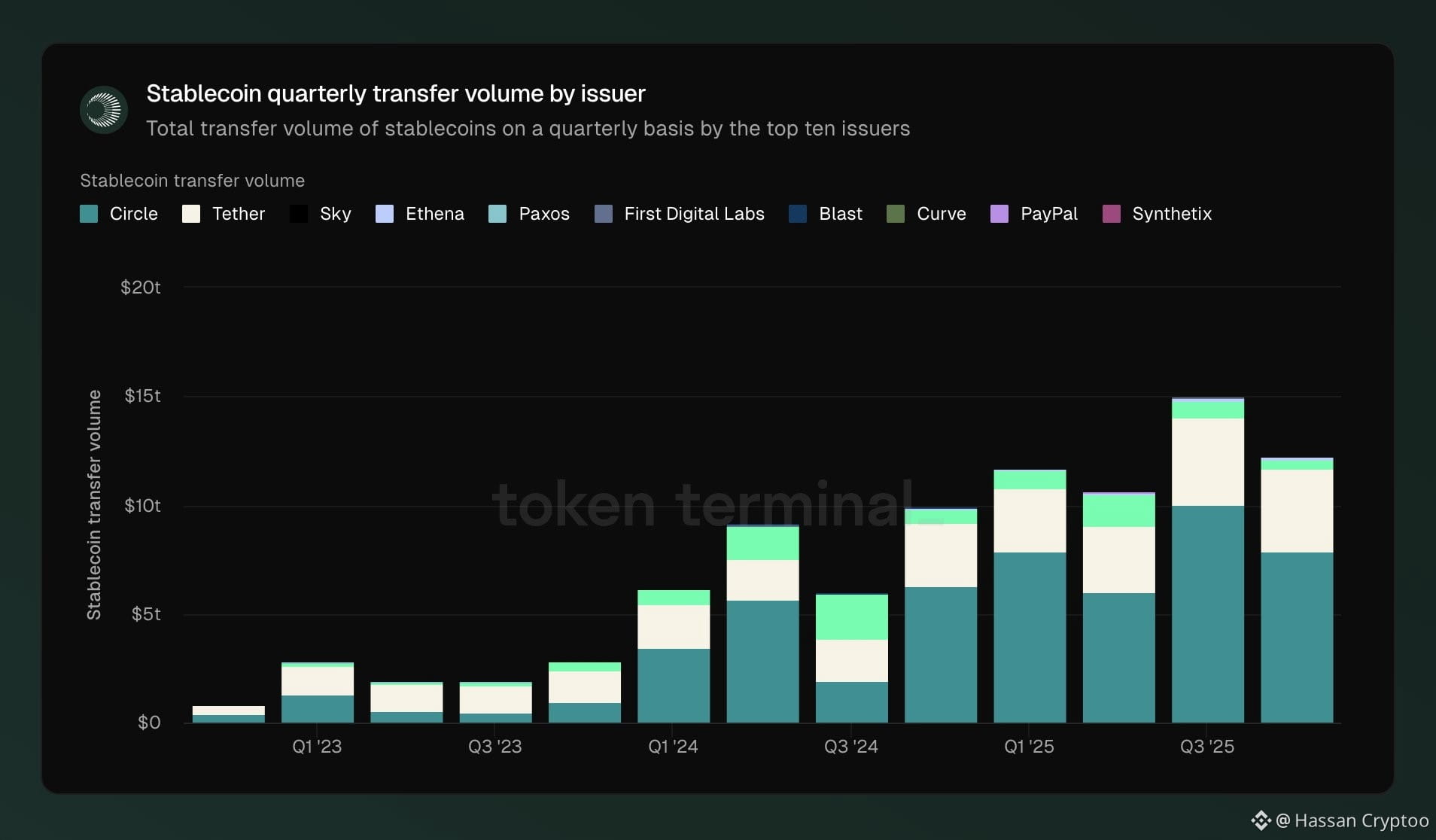
The broader trend here matters more than Plasma itself. Europe is no longer experimenting with crypto regulation. It is implementing it. Networks that treat this as a future problem are already behind. What we are seeing now is a quiet sorting process. Not dramatic collapses, just slow exclusion from serious use cases. Early signals suggest Plasma is being evaluated not as a crypto experiment, but as infrastructure. That is subtle, but important. Infrastructure is not loved. It is trusted. And trust grows slowly, through documentation, controls, and the absence of surprises.
There are still risks. Regulatory interpretations can shift. Political priorities change. A single failure in reserve management could undo years of careful positioning. And institutions may still choose private or bank led systems instead of public networks, even compliant ones. None of this is guaranteed but the bet Plasma is making feels grounded. That as regulation becomes unavoidable, the networks that leaned in early will feel less alien when institutions finally commit. Less like a leap. More like a step.
Underneath all the policy language and compliance checklists is a simple idea. Crypto does not need to outsmart regulators to grow up. Sometimes it just needs to meet them halfway, with paperwork in hand and expectations aligned. Plasma’s EU push is not loud. It does not promise the future. It just tries to be ready for it.
by Hassan Cryptoo