
 Scalability has always been one of blockchain’s toughest challenges. While networks like Ethereum proved that smart contracts and decentralized applications could change the world, they also exposed a painful truth: blockchains are not naturally built for high-speed, high-volume activity. Every transaction processed on-chain takes time, costs fees, and competes for limited block space. When usage rises, the network slows down, and transaction costs become expensive.
This is where Plasma enters the conversation.
Plasma is one of Ethereum’s earliest and most influential scaling frameworks. Even though newer Layer 2 solutions like rollups dominate headlines today, Plasma remains a foundational concept that shaped how the crypto industry thinks about scaling. It introduced a powerful idea: move most activity off the main chain while keeping security anchored to Ethereum.
What Plasma Really Is
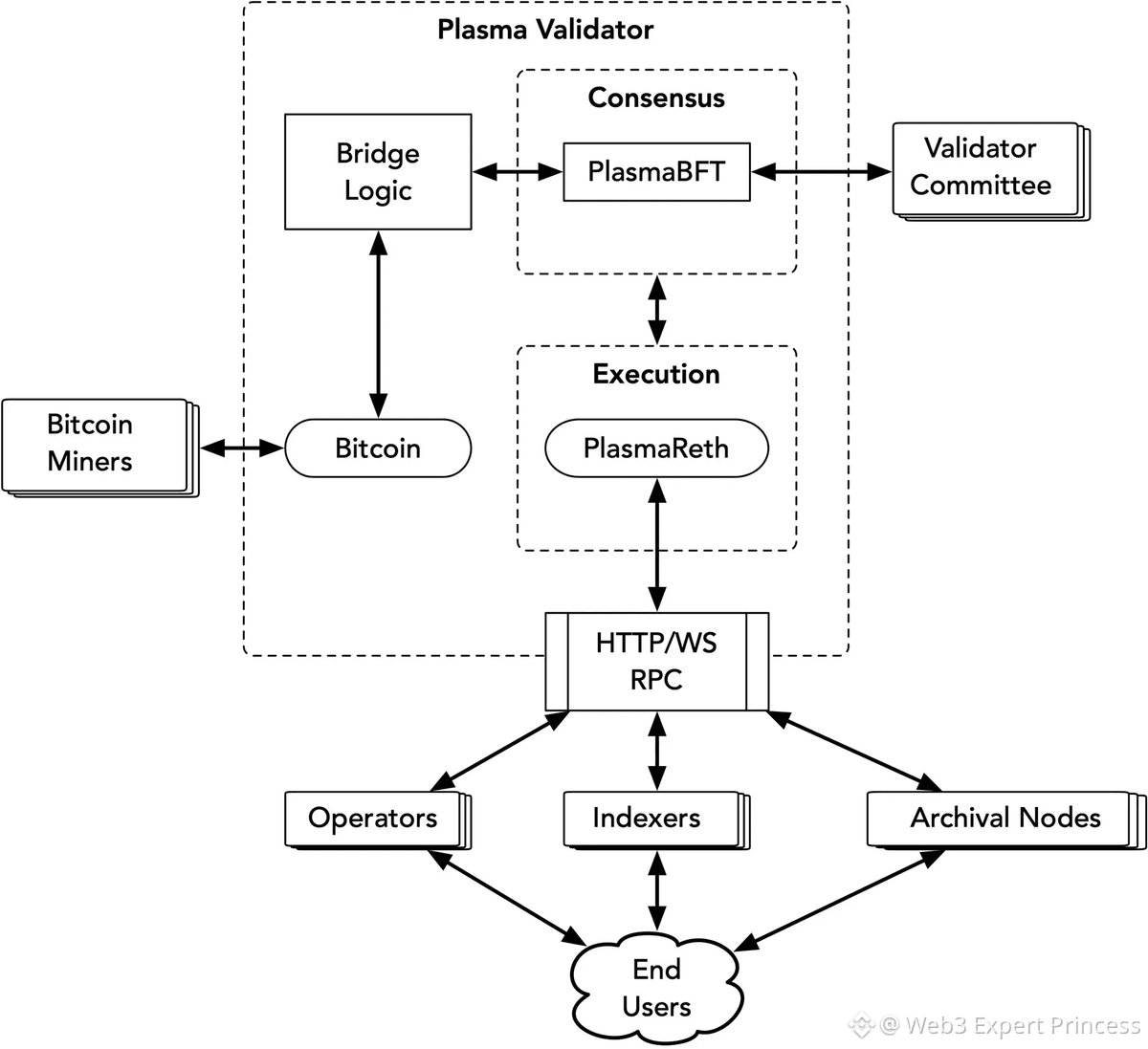
Plasma is a Layer 2 scaling framework designed to increase transaction throughput by creating “child chains” that operate separately from the Ethereum main chain. These child chains can process thousands of transactions without Ethereum needing to execute every single one.
Instead of sending every transaction to Ethereum, Plasma allows users and applications to perform transactions on a child chain, then periodically commit summaries or proofs of those transactions back to Ethereum. Think of it as a highway system: the main chain is the central road that everyone trusts, but Plasma creates side roads that reduce congestion while still connecting back to the same trusted core.
The goal is simple: speed up the system and reduce costs without sacrificing decentralization and security.
 How Plasma Works in a Simple Way
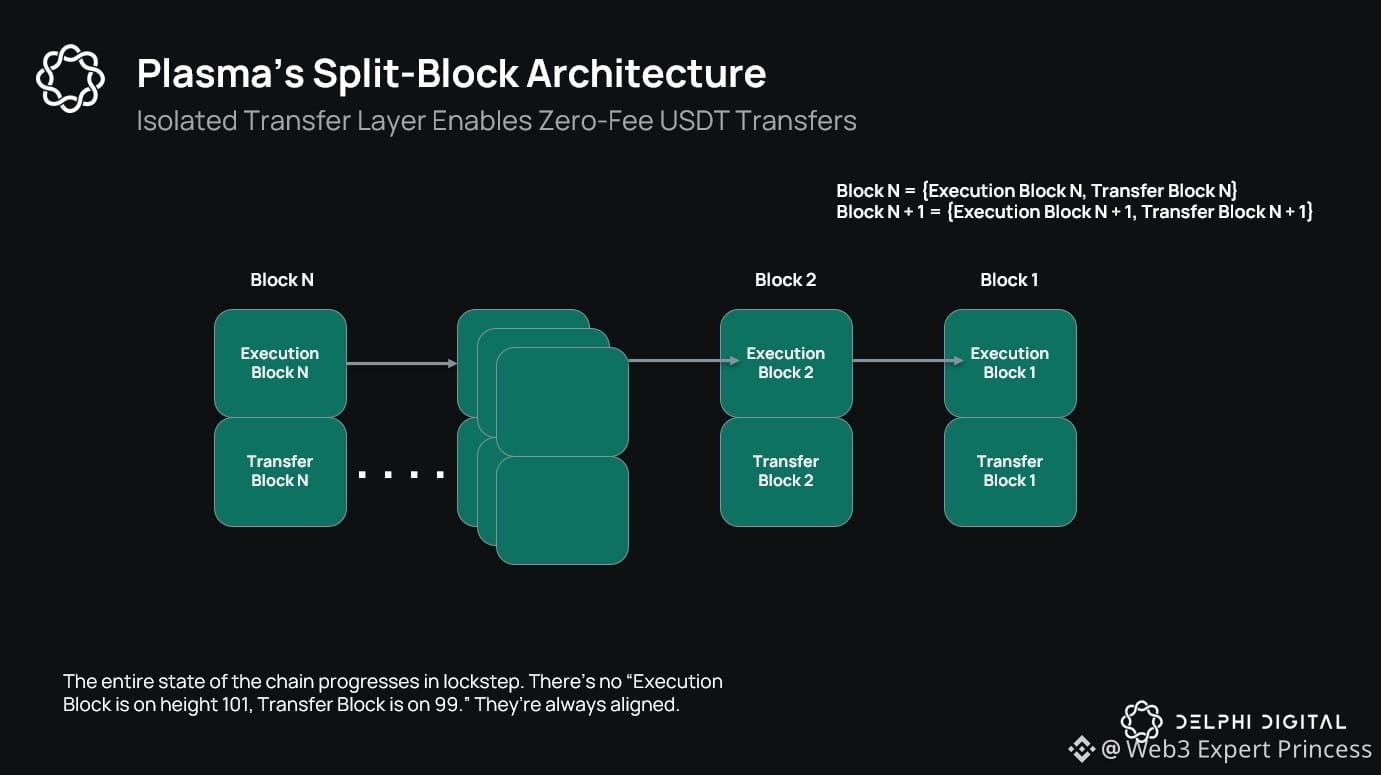
Plasma is built on the concept of a hierarchical chain structure. Ethereum sits at the top as the “root chain,” while multiple child chains run underneath it. These child chains handle most of the activity and send compressed updates back to the root chain.
A key technique Plasma uses is called Merkle trees, a cryptographic structure that allows a large set of transactions to be represented in a single hash. Instead of Ethereum verifying every transaction, it only needs to store the Merkle root, which acts like a fingerprint of everything that happened on the child chain during that period.
This approach dramatically reduces the load on Ethereum. Rather than processing thousands of transactions individually, Ethereum only needs to confirm small pieces of data that represent the larger batch.
The Security Promise of Plasma
One of Plasma’s most important features is that it tries to remain trust-minimized, meaning users don’t have to blindly trust the operator of the child chain.
Plasma chains are often run by an operator (or a set of validators), and that operator could theoretically act maliciously. Plasma handles this risk with one of its most famous mechanisms: exit games.
If a user suspects fraud, or if the operator behaves dishonestly, the user can initiate an “exit” back to Ethereum. This means the user can withdraw their funds from the Plasma chain and return them to the root chain, where Ethereum’s security guarantees apply fully.
This is powerful because it creates a system where even if the child chain is compromised, users still have a way to recover their assets.
Exit Games: The Genius and the Pain
Exit games are both Plasma’s greatest strength and its biggest complexity.
In a Plasma system, users must be able to prove ownership of their funds and submit that proof to Ethereum when exiting. But exits often require waiting periods, challenge windows, and monitoring the chain for fraudulent activity.
This introduces an important tradeoff: Plasma can scale transactions efficiently, but users may need to stay alert, or rely on “watchers” who monitor the chain and warn them if something goes wrong.
This is one of the reasons Plasma became less dominant over time. While it worked well in theory and in specific use cases, the user experience could become complicated, especially for everyday users who don’t want to manage technical exit processes.
Why Plasma Was So Important
Plasma was introduced as a response to Ethereum’s limitations before modern rollups became popular. At the time, it represented a major leap in blockchain scaling thinking.
Plasma showed the world that scaling doesn’t have to mean sacrificing decentralization. It inspired the Layer 2 movement by proving that off-chain computation with on-chain security anchoring was not only possible, but practical.
Many of today’s scaling solutions share Plasma’s DNA. Even though rollups use different mechanisms, the core idea is similar: keep Ethereum as the ultimate settlement layer while moving most activity elsewhere.
Plasma vs Rollups: What Changed?
Plasma and rollups are often compared because both are Layer 2 solutions. But the key difference lies in how data is handled.
Plasma relies heavily on off-chain data availability, meaning transaction data may not always be stored on Ethereum. This makes Plasma more efficient in some ways, but it also creates challenges when users need to exit or prove their funds.
Rollups, especially Optimistic Rollups and ZK-Rollups, usually post more data to Ethereum, making it easier to reconstruct the chain’s state and reducing the need for complex exit games. That’s why rollups have become the preferred approach for scaling Ethereum today.
Still, Plasma can be extremely effective for certain applications, particularly those involving simple transfers, payments, and predictable transaction patterns.
Where Plasma Still Makes Sense Today
Even in 2026, Plasma concepts remain relevant. Plasma-style chains can be useful for:
High-speed payment systems
Low-cost token transfers
Gaming economies with frequent microtransactions
Apps that need cheap throughput without heavy smart contract complexity
Plasma is especially strong when the transaction logic is simple and the focus is on volume rather than advanced computatio.
Final Thoughts
Plasma may not be the loudest name in today’s Ethereum scaling race, but it deserves respect as one of the most visionary frameworks ever proposed for blockchain growth. It introduced the idea of layered scaling in a time when Ethereum was struggling with congestion and high fees, and it helped shape the roadmap that Layer 2 ecosystems follow today.
In many ways, Plasma was Ethereum’s early blueprint for scaling—showing that blockchains can grow without losing their core values. And even as rollups take the spotlight, Plasma remains a reminder that the smartest innovations often start long before the world is ready to fully adopt them.