
I’ve reached a point in #crypto where announcements don’t impress me anymore. New SDKs, new VMs, new “breakthroughs” I’ve seen too many of them arrive with noise and leave without impact. So when Dusk rolled out Rusk VM 2.0 and the Citadel SDK, I didn’t feel excitement. I felt curiosity. And honestly, that’s rarer.
What stood out wasn’t speed claims or flashy demos. It was the intent behind what they shipped.
Most chains are still trying to retrofit privacy, identity, and compliance into systems that were never built for them. That approach usually works until it doesn’t until performance degrades, data leaks, or regulators enter the room. Dusk feels like it’s working backward from that reality instead of pretending it won’t happen.
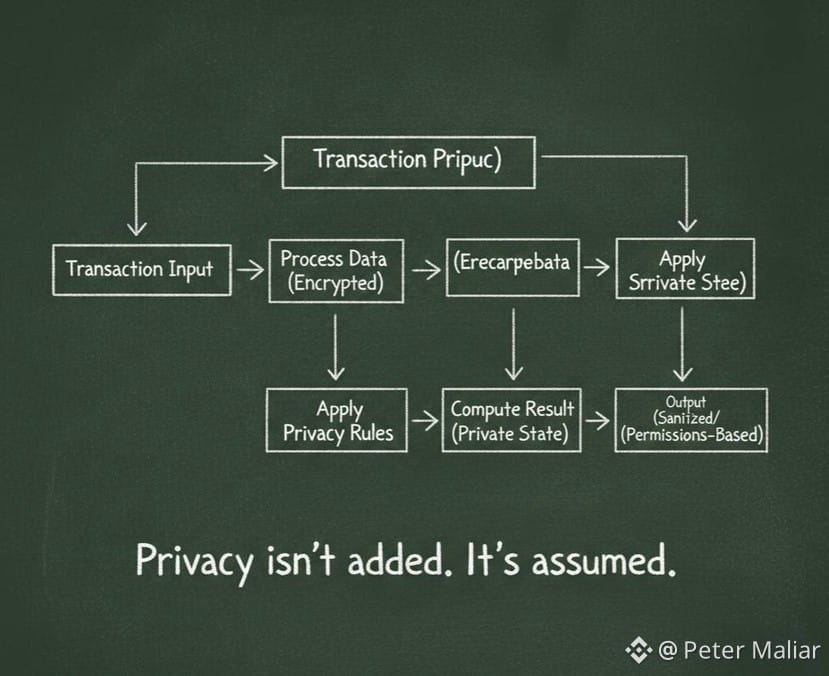
Rusk VM 2.0 is a good example of this mindset. Instead of treating privacy as an optional feature, it treats it as part of execution itself. That’s a quiet but meaningful shift. Developers don’t need to design around privacy constraints later. Users don’t need to opt in or understand complex settings. The system simply behaves that way by default.
What surprised me is that this didn’t come at the cost we usually expect. Privacy-heavy systems are often slower and heavier. Here, execution actually becomes more efficient. That tells me this wasn’t bolted on it was engineered with intention.
Another detail that matters more than most people admit is how the network handles growth over time. Blockchains don’t usually fail because of attacks; they fail because they become too expensive or too complex to participate in. State grows endlessly, syncing becomes painful, and decentralization quietly erodes.
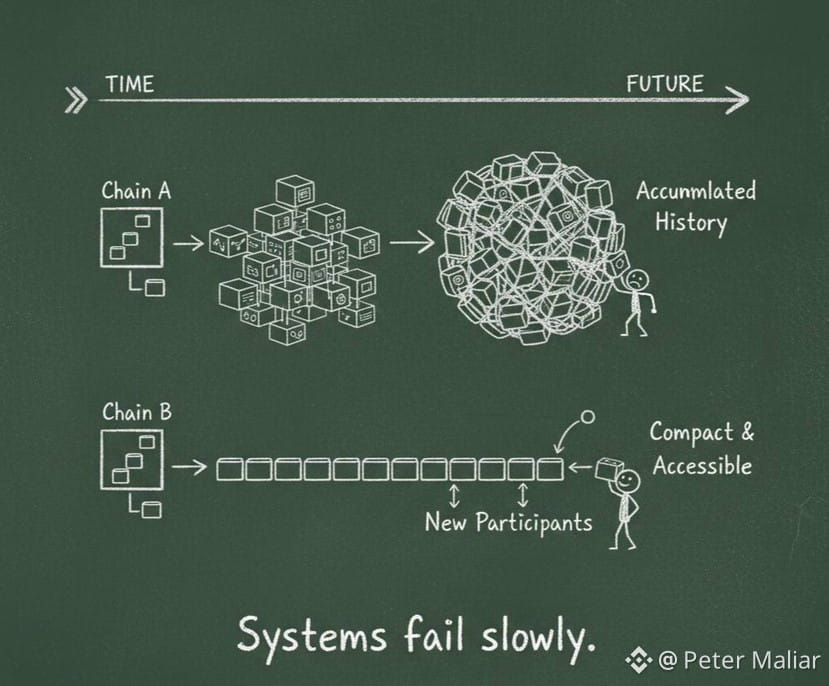
Rusk VM 2.0 addresses this problem directly. New participants don’t have to relive the entire history of the chain just to join it. That design choice doesn’t generate hype, but it determines whether a network stays accessible five years from now.
Citadel tackles a different but equally broken part of the ecosystem: identity.
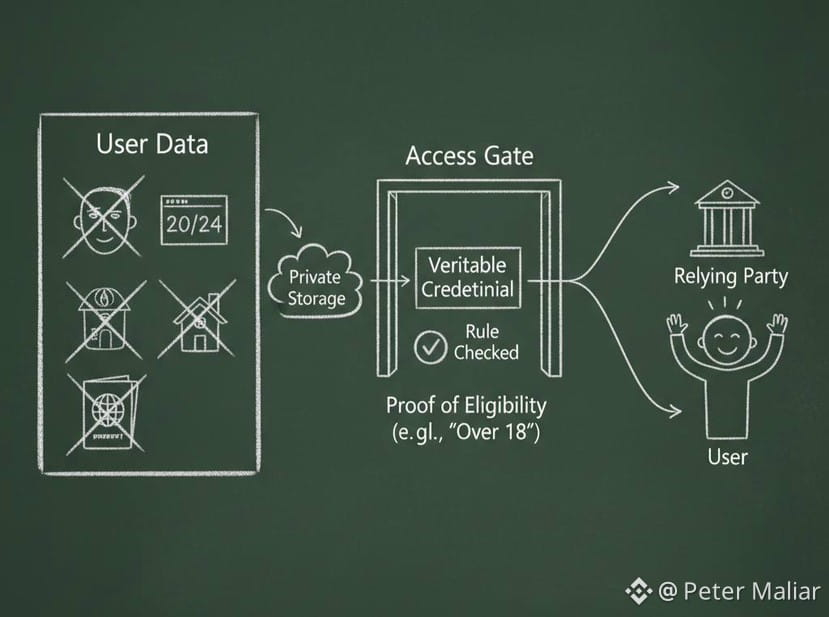
Anyone who has gone through repeated #KYC processes knows how absurd they are. The same documents uploaded again and again. Sensitive data copied into systems you don’t control. Breaches waiting to happen. It’s inefficient for users and risky for institutions.
Citadel changes the framing. Instead of exposing identity, it proves eligibility. You don’t show who you are; you show that you meet a requirement. One proof, one purpose, no excess data. From a user’s point of view, that feels respectful. From an institution’s point of view, it reduces liability.
What makes this interesting is that compliance doesn’t feel like an afterthought here. It feels native. Regulators can audit what needs to be audited. Users keep what should remain private. Neither side has to pretend.
And this logic extends beyond KYC. Memberships, gated access, subscriptions, permissions — anywhere rules matter more than identities, this model fits naturally. That’s why Citadel feels like infrastructure, not a feature.
Taken together, these releases changed how I think about Dusk. It doesn’t feel like a project racing for attention. It feels like a system being prepared for responsibility.
Execution, privacy, identity, scalability none of them are treated as marketing points. They’re treated as constraints that must coexist. That’s not exciting in the short term, but it’s how systems meant to last are built.
Most crypto projects talk about decentralizing finance. Dusk seems more interested in making it workable.
And in the long run, that difference tends to show.