
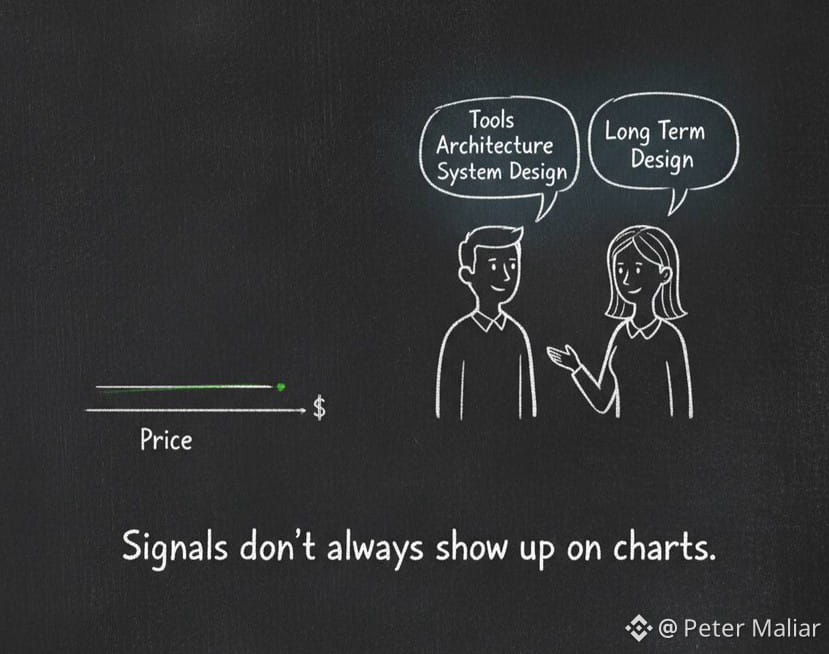
I’ve learned the hard way that price action rarely tells the full story. Some of the most important signals show up when nothing exciting is happening. That’s actually how I first paid attention to Vanar. The chart was quiet, but the people around it weren’t. Instead of shouting about pumps, they were talking about systems, tools, and what this chain is supposed to look like years from now. That contrast stuck with me.
These days, when I look at any blockchain, I don’t start with speed or partnerships. I start with a more uncomfortable question: what’s left when the hype fades? When rewards slow down, incentives dry up, and attention moves elsewhere, does anything still hold people there?
For me, a trustworthy blockchain needs two things above everything else. First, token design that doesn’t depend on constant excitement. Second, a product that people return to because it’s useful, not because they’re being paid to care.
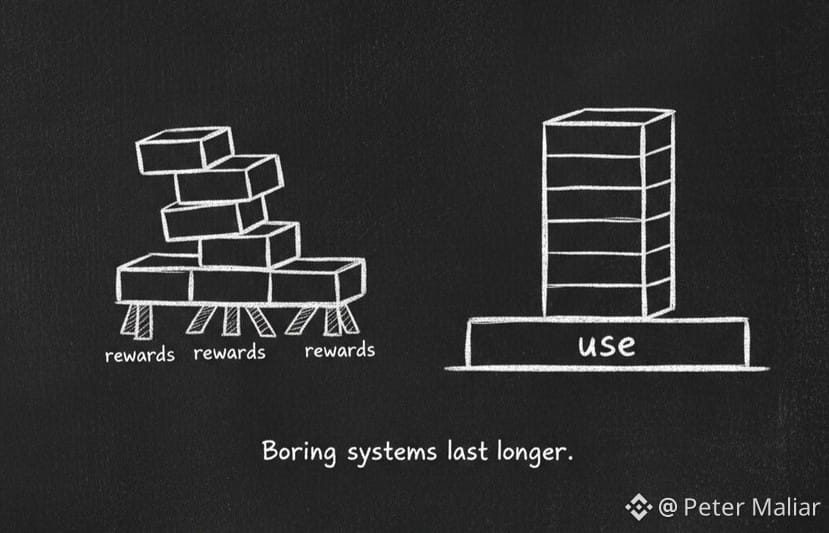
Tokenomics is where many projects quietly fail. Not because the math is wrong, but because the logic is fragile. If demand only exists because rewards are high, then every reward cycle is just delayed selling pressure. That kind of system forces teams to keep promising “what’s next” instead of letting the product speak for itself. A healthier setup is boring by comparison. It survives long stretches where nothing dramatic happens.
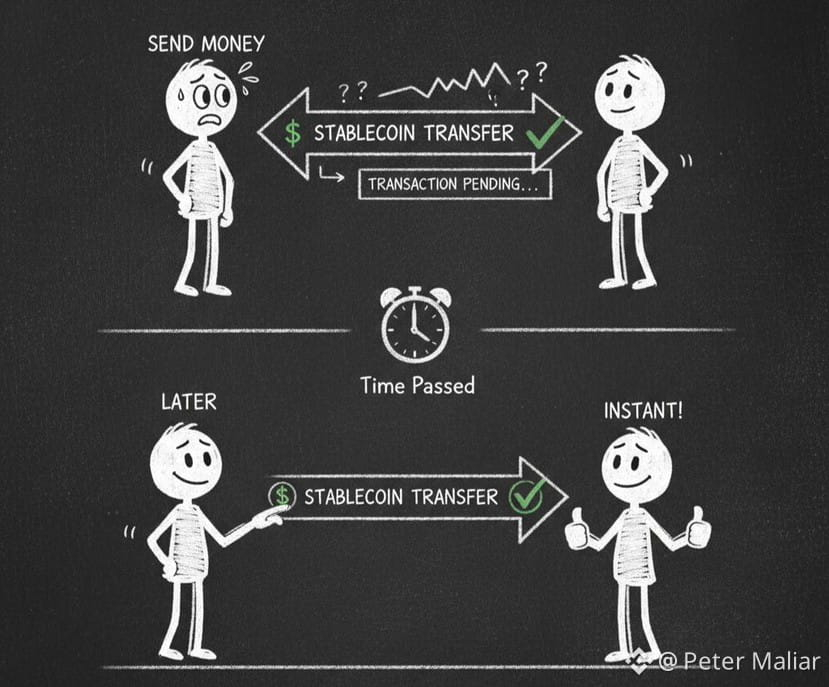
The other piece is user behavior. I’ve watched strong tech lose simply because using it felt tiring. Too many steps. Too many things to understand before you can do something simple. Trust doesn’t come from reading documentation. It comes from doing the same action twice and feeling comfortable the second time.
Vanar still has to prove this part. It needs to show that users don’t just arrive, but stay. That actions feel natural. That costs are predictable. That nothing breaks your flow enough to make you leave.
What I also pay attention to is how a team behaves when momentum slows. Do they keep building quietly, or do they chase whatever narrative is loudest that week? Do they acknowledge mistakes, or hide them under updates and announcements?
Trust isn’t about perfection. It’s about consistency over time.
So when I look at Vanar today, I don’t ask if it’s going to explode tomorrow. I ask something simpler and harder: do they have the patience to keep going when no one is clapping? Because in this space, endurance usually matters more than applause.