

When people talk about gaming on blockchain, most of the noise still circles around tokens, NFTs, or flashy trailers. What often gets ignored is the infrastructure layer underneath. That’s where Vanar is trying to position itself, and honestly, that’s why it has started to show up more often in serious trading and developer discussions. Vanar isn’t really selling a “game chain” as much as it’s trying to build the rails that games can actually run on without frustrating players or developers.
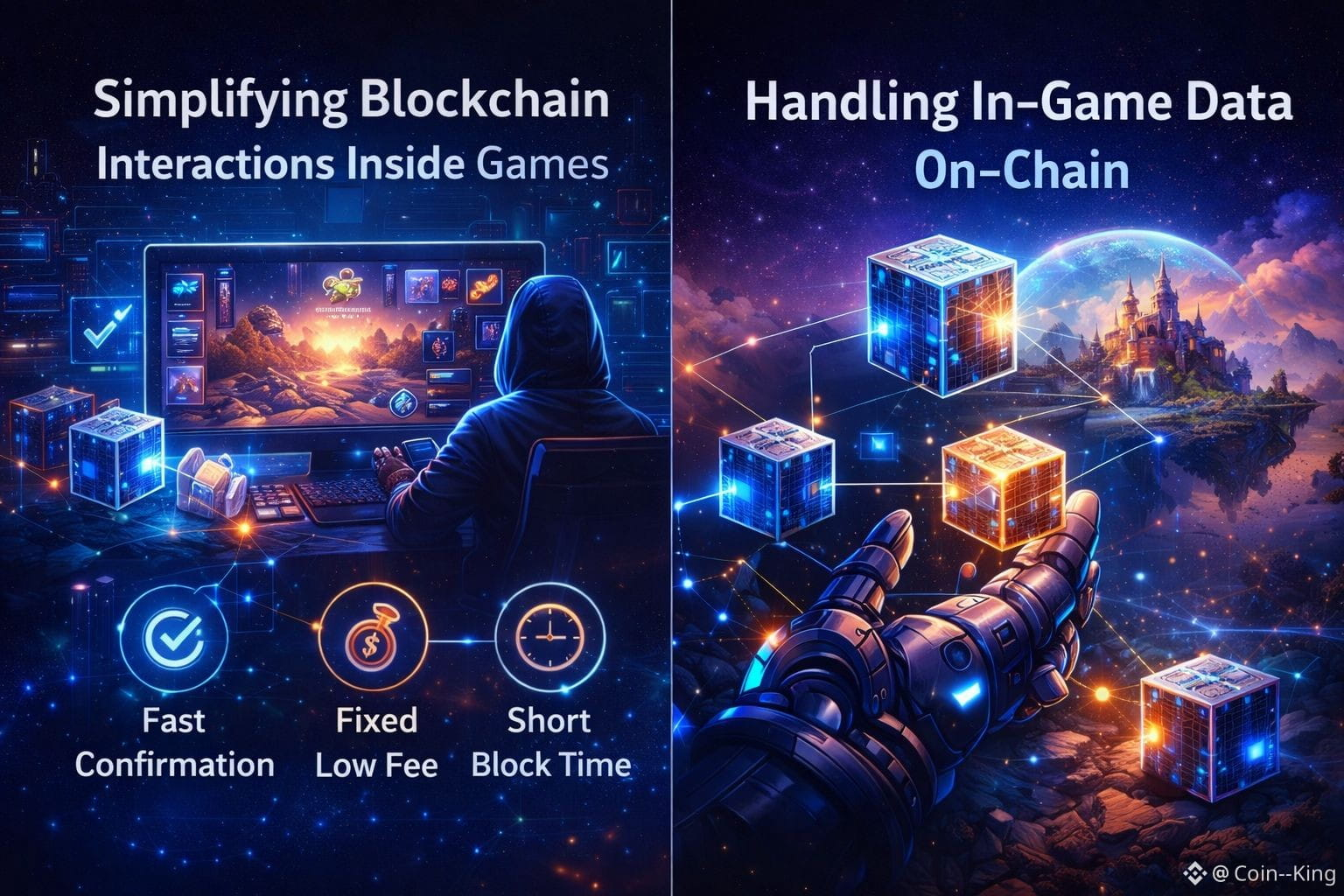
At its core, Vanar is focused on making blockchain interactions feel invisible inside games. For non-technical readers, that means fast confirmations, predictable fees, and systems that don’t break immersion. In a typical blockchain game today, every action minting an item, trading gear, upgrading a character can feel slow or expensive. Vanar’s approach emphasizes short block times and fixed, low transaction costs so gameplay loops don’t stall. For a trader, that’s not just a tech detail. It’s a bet on whether blockchain gaming can move beyond niche audiences.
One of the reasons Vanar keeps getting labeled as “gaming focused” is its emphasis on scalability without exotic design choices. It’s compatible with Ethereum’s tooling, which means developers can use familiar languages and wallets instead of learning an entirely new system. That matters more than it sounds. Game studios don’t want infrastructure risk layered on top of creative risk. If deploying smart contracts feels familiar, teams can focus on gameplay instead of debugging the chain itself.
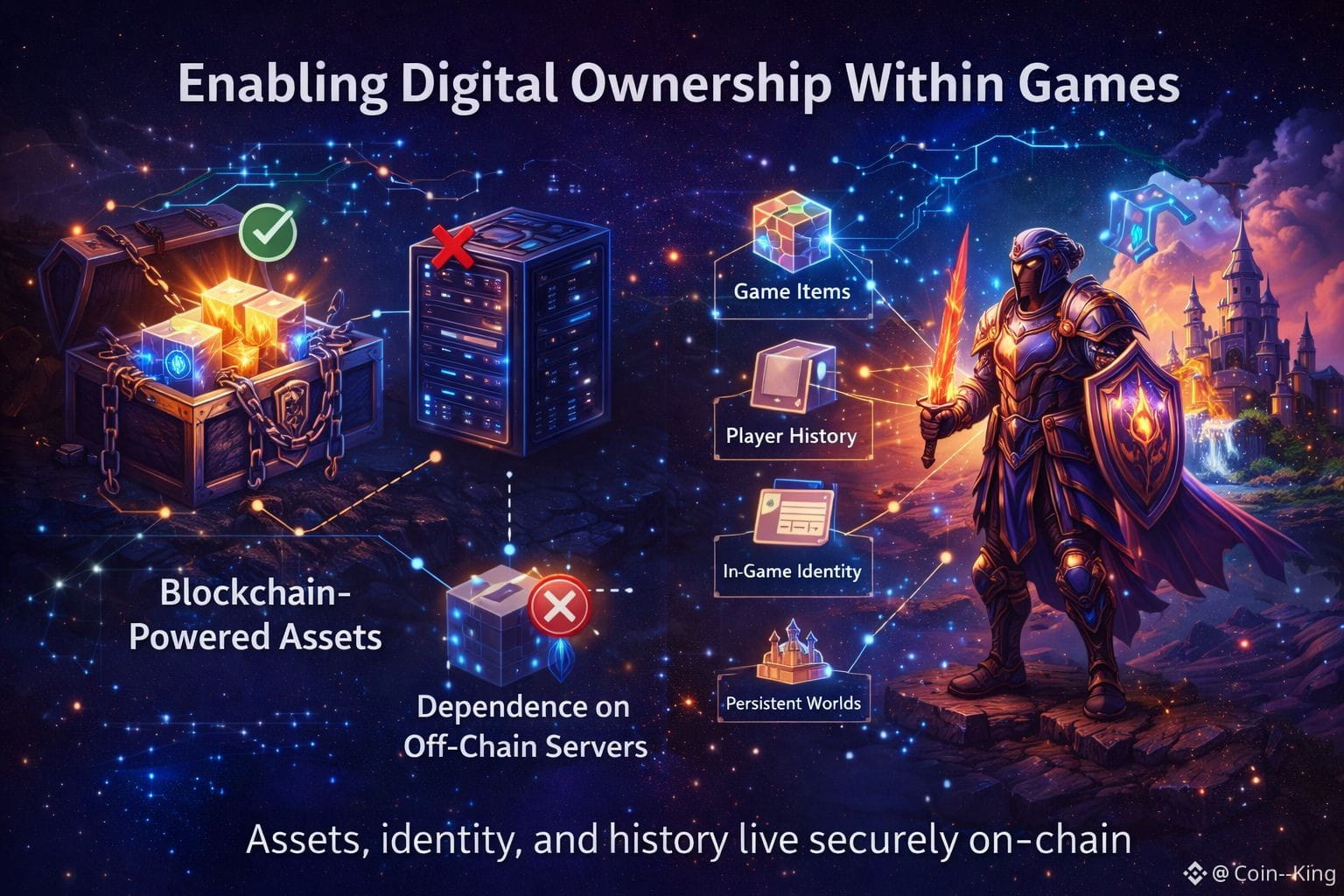
The more interesting angle, in my view, is how Vanar treats game data. Most blockchains are good at tracking ownership but bad at handling large or complex files. Games, on the other hand, are data heavy by nature. Think textures, metadata, replays, or evolving in game items. Vanar’s infrastructure work includes compression and on chain data handling tools designed to shrink files down to something manageable. In simple terms, it’s trying to make more of the game actually live on chain instead of pointing to external servers that can disappear. That’s a big deal if you care about true digital ownership rather than just tokenized receipts.
So why is this trending now? Timing plays a big role. Gaming narratives tend to resurface whenever the market rotates toward consumer facing crypto instead of pure DeFi. Over the past year, there’s been renewed interest in whether blockchains can support real users, not just traders clicking buttons. Vanar has also been steadily shipping updates rather than relying on hype cycles, which traders tend to notice after enough false starts in this sector. When infrastructure projects quietly hit milestones, they eventually get re rated.
Progress wise, Vanar has moved from concept-heavy messaging to more concrete infrastructure components. Its ecosystem messaging has shifted toward enabling persistent game worlds, on chain assets, and smoother player onboarding. For developers, that means fewer compromises between decentralization and usability. For investors, it signals a longer term play that depends on adoption rather than short term speculation.
From a personal standpoint, I’ve seen enough “gaming chains” come and go to be skeptical by default. Most fail because they optimize for crypto-native users and forget gamers don’t care about wallets, gas, or consensus models. What makes Vanar at least worth watching is that it starts from the assumption that players shouldn’t know or need to know they’re using a blockchain at all. That’s the right instinct, even if execution is what ultimately decides the outcome.
The open question is whether developers will build compelling games on top of this infrastructure. Infrastructure alone doesn’t create fun. But if Vanar succeeds in removing friction, lowering costs, and making game assets truly persistent, it sets the stage for studios to experiment without fighting the tech. For traders and investors, that’s the real thesis. Not hype, not screenshots, but whether solid infrastructure can finally make blockchain gaming feel like gaming first and crypto second.