
The evolution of Web3 has been marked by rapid technological experimentation, ambitious visions, and the continuous search for infrastructure that can truly support the decentralized digital world. Amidst this crowded landscape, Vanar Chain (VANRY) emerges as a project that is not just riding the wave of Web3 trends but is actively shaping a more interactive, intelligent, and user-centric future for decentralized applications. Unlike many blockchain initiatives that layer solutions atop existing networks, Vanar Chain takes a fundamentally different approach: it is building the underlying architecture to support an entirely new kind of interactive blockchain ecosystem.
At the core of Vanar Chain’s philosophy is the idea that interaction in Web3 should be seamless, intuitive, and deeply integrated with the digital experience of users. Many existing blockchains focus primarily on transactional throughput or smart contract execution, but Vanar recognizes that the next frontier of the decentralized internet is contextual and intelligent interaction. VANRY aims to fuse traditional blockchain mechanics with emerging AI-driven tools, creating a platform where applications are not only decentralized but capable of understanding and responding intelligently to user behavior. This approach transforms the blockchain from a static ledger into a living, responsive environment.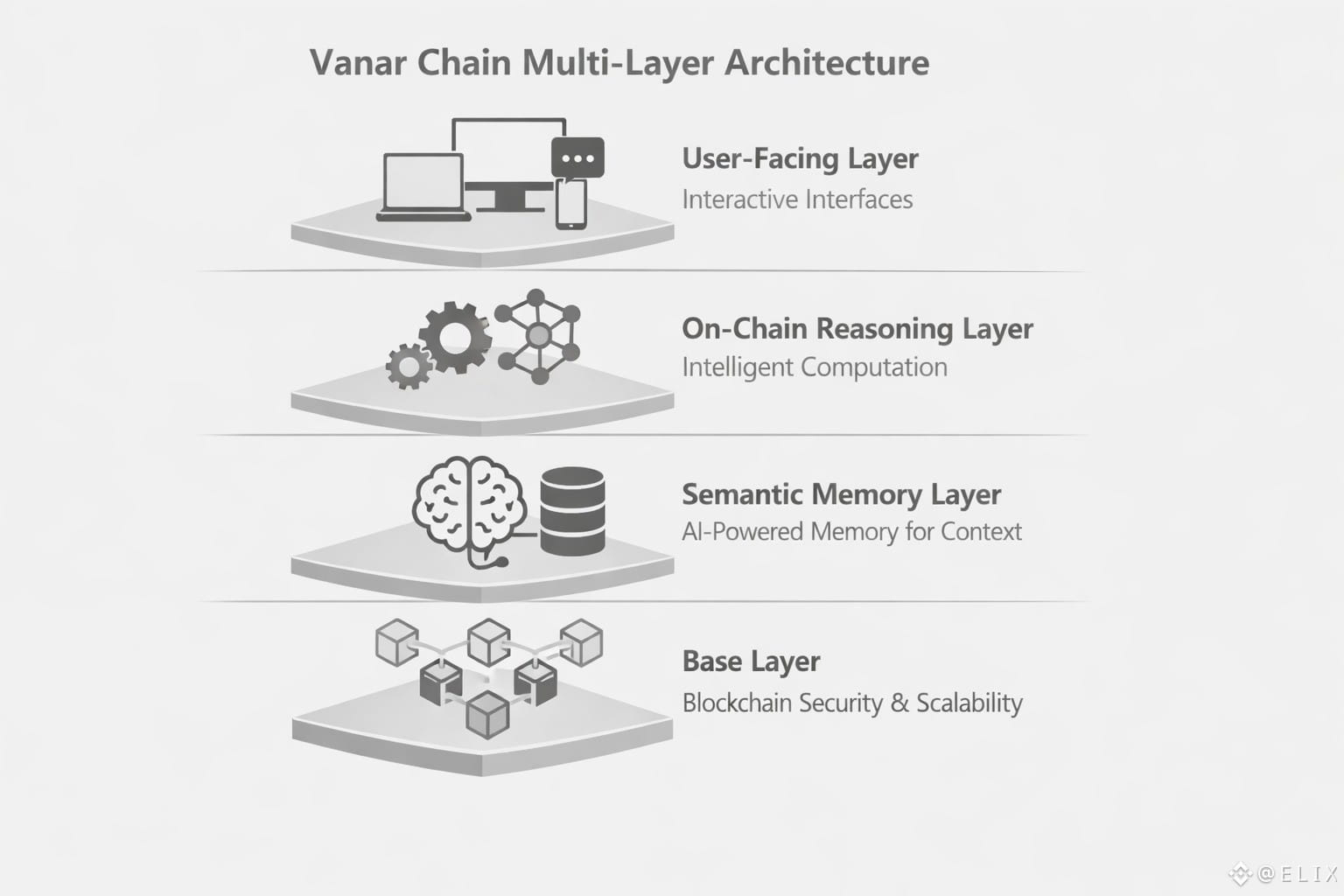
Technically, Vanar Chain is designed with a multi-layered stack that addresses some of the most persistent limitations of current Web3 infrastructure. The base layer provides secure and scalable blockchain operations, ensuring that transaction finality, consensus integrity, and data security are uncompromising. On top of this, Vanar introduces a semantic memory layer—effectively a blockchain-native AI memory system—that allows applications to retain contextual understanding across interactions. This means that decentralized applications on VANRY can “remember” previous user interactions, anticipate needs, and optimize workflows without relying on centralized databases or external AI services. The next layer adds on-chain reasoning, allowing applications to process complex queries and execute adaptive logic natively on the blockchain, rather than offloading computation to centralized servers. Finally, the user-facing layer focuses on intuitive interfaces and interaction models, bridging the gap between sophisticated decentralized intelligence and everyday usability.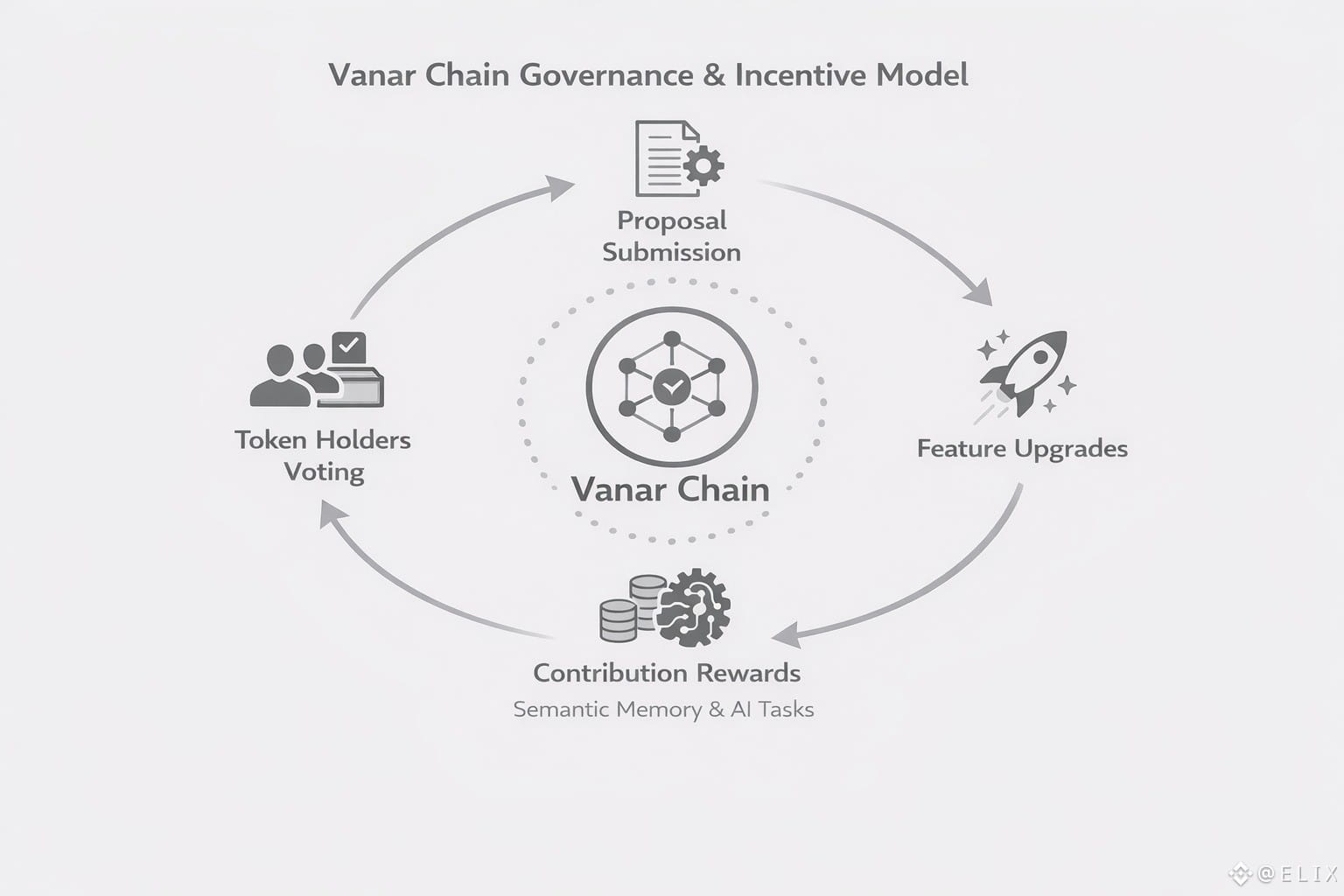
What sets Vanar Chain apart in a crowded Web3 ecosystem is its commitment to practical interoperability and real-world application. Many projects promise innovation but remain isolated experiments within niche communities. Vanar, however, prioritizes compatibility with existing Ethereum-based assets, NFTs, and decentralized finance protocols, while simultaneously building the tools to create wholly new interactive experiences. For example, VANRY-powered platforms could host decentralized social applications that adapt to community dynamics in real-time, educational platforms that tailor lessons to individual users’ engagement history, or gaming ecosystems where in-game events evolve intelligently based on collective player behavior. The chain is not just a backbone for financial transactions—it is a canvas for a dynamic digital society.
Another defining aspect of Vanar Chain is its approach to governance and community participation. VANRY is designed to be profoundly decentralized, giving users both voice and agency in the network’s evolution. Governance mechanisms are integrated into the protocol itself, allowing holders and participants to propose upgrades, vote on feature implementation, and influence economic parameters in ways that directly shape the network’s trajectory. This ensures that Vanar is not only technologically innovative but also socially resilient, capable of evolving organically with the needs and creativity of its community.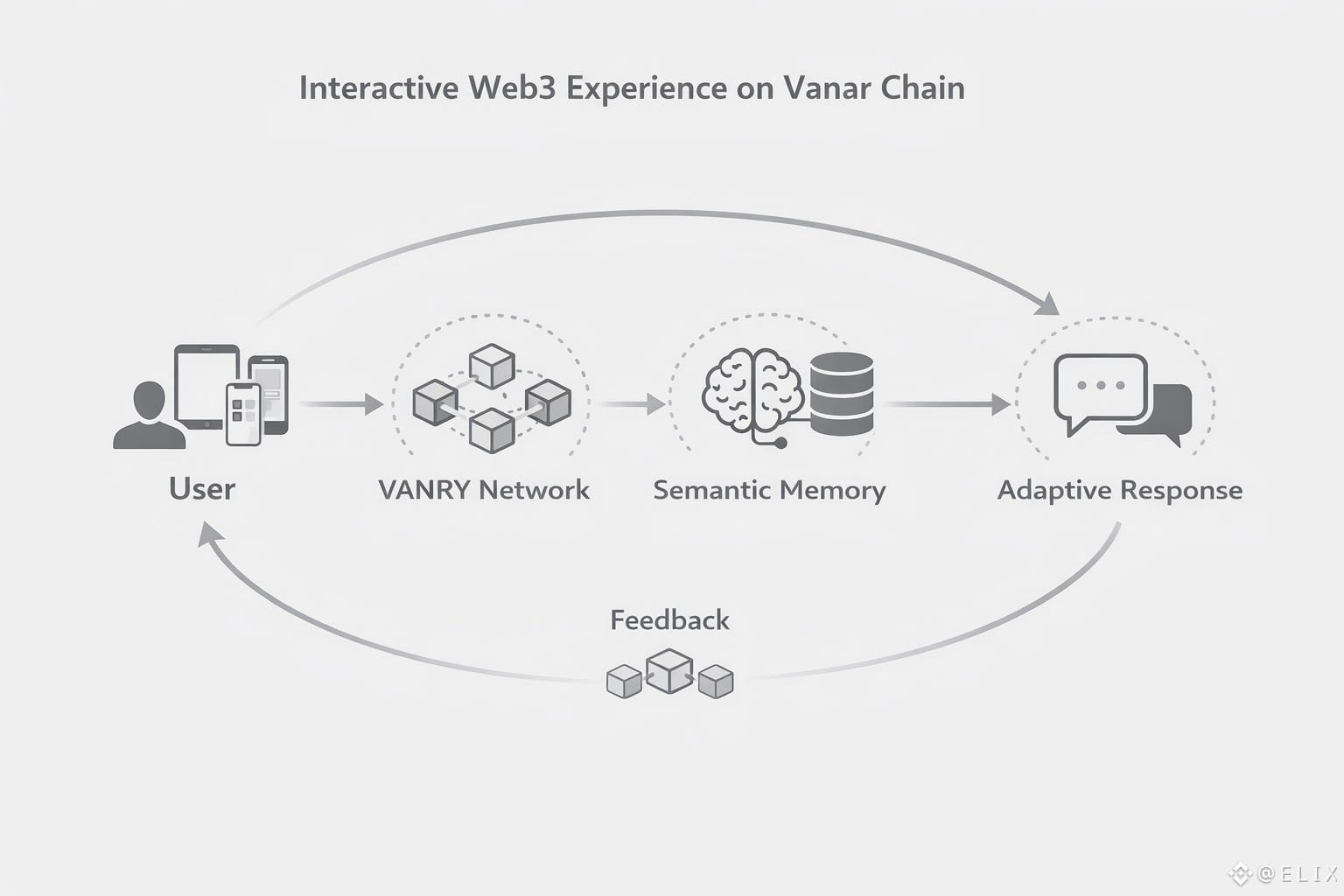
From an economic standpoint, VANRY introduces novel incentive structures that encourage meaningful participation rather than simple token accumulation. Users who contribute to network intelligence, provide data for decentralized learning models, or help maintain the semantic memory layer are rewarded, creating an ecosystem where value is tied directly to contribution and engagement. This contrasts sharply with many contemporary networks, where speculation dominates utility, and true innovation struggles to find sustainable incentives.
The vision for Vanar Chain goes beyond the blockchain itself. By integrating intelligent interaction, semantic memory, and on-chain reasoning, VANRY aspires to redefine how humans and machines coexist in digital ecosystems. It envisions a Web3 that is not only decentralized but dynamically adaptive, capable of responding to both individual user needs and collective network phenomena. In doing so, Vanar Chain positions itself as a platform not merely for technological experimentation but for building a genuinely participatory and interactive digital society.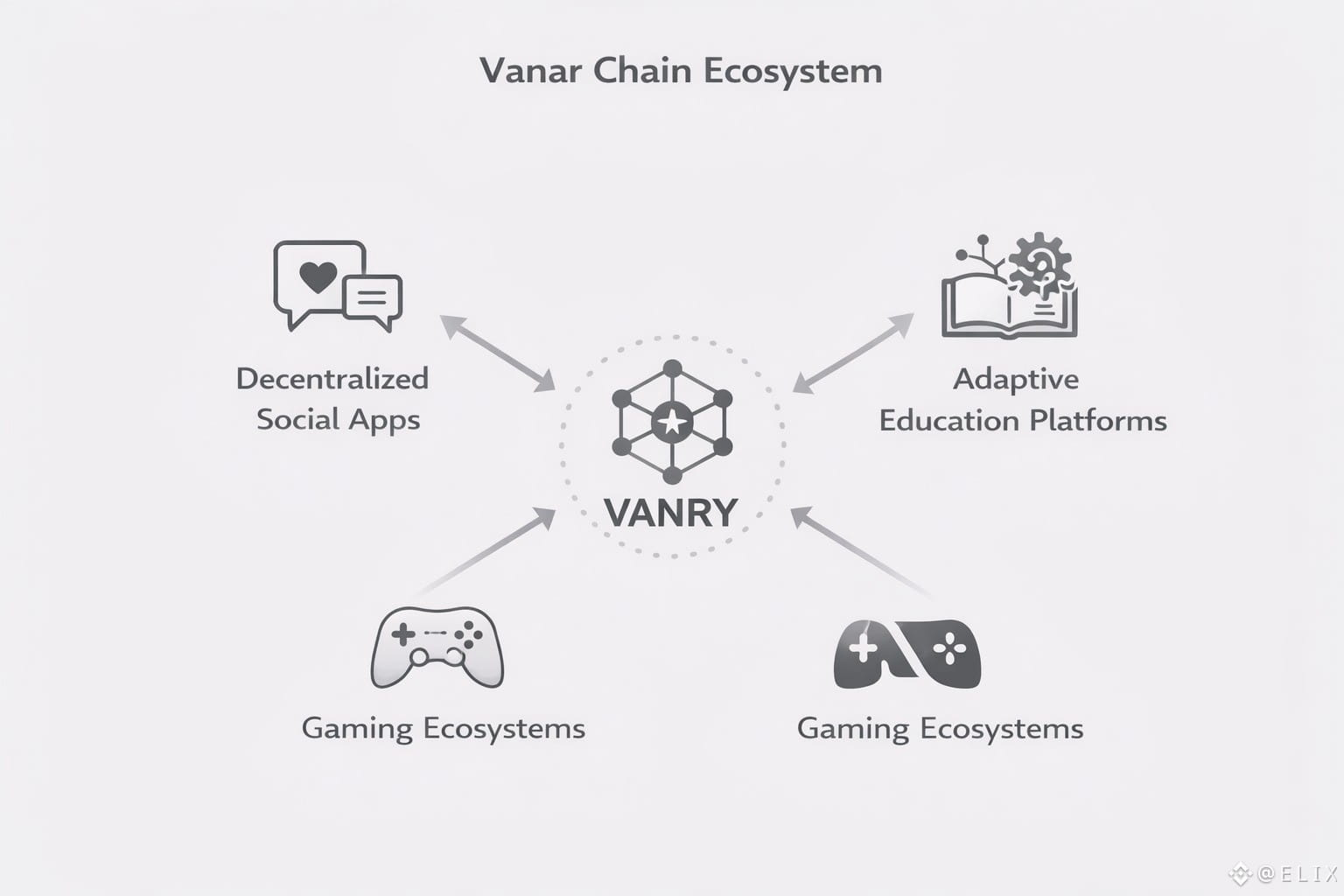
In conclusion, Vanar Chain (VANRY) represents a significant step forward in the evolution of Web3. By focusing on intelligent interaction, practical interoperability, and sustainable community-driven governance, it addresses some of the most critical gaps in the current blockchain landscape. VANRY is not just building a network; it is cultivating an ecosystem where decentralized applications can be truly interactive, responsive, and intelligent, unlocking a future where Web3 is not just a concept but a lived, dynamic experience for users around the world. The path ahead is ambitious, but Vanar Chain’s holistic approach to infrastructure, governance, and interaction positions it to be a cornerstone of the next generation of decentralized digital experiences.
@Vanarchain #vanar #Vanar $VANRY
