
The crypto market has officially slipped into extreme fear. Prices are bleeding, timelines are loud with panic, and many traders are making decisions driven more by emotion than strategy. This phase feels uncomfortable—but history shows it’s often where the biggest opportunities quietly form.
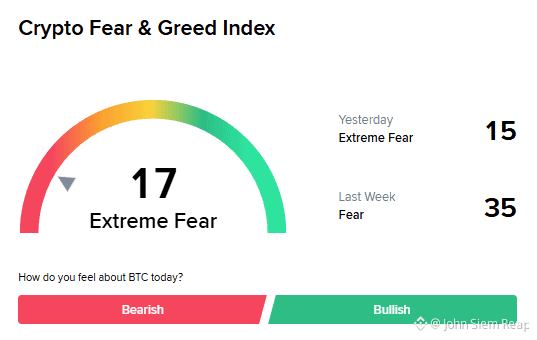
Extreme fear doesn’t mean the end of crypto. It means uncertainty is high, confidence is low, and weak hands are being shaken out. In past cycles, these moments separated reactive traders from strategic ones.
Even respected voices like Cathie Wood have questioned whether Bitcoin’s traditional four-year cycle still applies, suggesting the market may be evolving. That uncertainty only adds to the fear—but also to the opportunity for those who stay rational.
So what happens next? No one can predict the exact bottom. But what you can control is how you act during this phase. Here are 5 practical tips to navigate extreme fear like a professional.
1. Don’t Trade Your Emotions
Fear is contagious. Red candles trigger panic selling, while sudden green candles create FOMO. Most traders lose money not because they lack information—but because they act emotionally.
If you feel anxious, step back. No trade is better than a bad trade. Extreme fear is where discipline matters most.
2. Zoom Out and Revisit Your Long-Term Vision
Ask yourself: Why did I enter crypto in the first place?
Was it for quick flips—or long-term exposure to a new financial system?
Markets move in cycles, but strong narratives, adoption, and technology don’t disappear overnight. Zooming out helps you avoid making short-term decisions that damage long-term goals.
3. Filter Noise, Increase Signal
During fear phases, social media becomes dangerous. Everyone suddenly becomes a macro expert, calling for $0 or the “end of crypto.”
Instead:
Reduce screen time
Follow fewer, higher-quality sources
Focus on data, not drama
Noise creates stress. Clarity creates edge.
4. Shift from Trading to Research or Building
When volatility is high and setups are unclear, this is the perfect time to learn.
Study:
Fundamentals of strong projects
On-chain data
Risk management
Trading psychology
Some of the best traders are built during bear or fear phases—not bull markets.
5. Think in Probabilities, Not Predictions
No one knows the exact bottom. What professionals do is manage risk and position gradually.
Instead of asking “Will price go up tomorrow?”, ask:
Is this asset stronger than others?
Does the risk/reward make sense?
Can I survive if price goes lower?
Extreme fear rewards patience, not prediction.
Final Thought
Extreme fear feels painful—but it’s also where foundations are laid. While most people panic, smart traders stay calm, stay curious, and stay prepared.
This phase will pass. The question is: will you come out weaker—or sharper?
