

It took me some time to realize that the way we talk about privacy in Web3 often misses the real point. The conversation usually starts with ideals rights, freedoms, preferences. But when you look closely at how financial systems actually function day to day, privacy shows up in a much more practical role. It’s not an optional value. It’s part of the machinery.
Modern finance runs on coordination. Transactions don’t exist in isolation; they sit inside workflows that include approvals, timing decisions, reconciliations, reporting and audits. These processes rely on controlled access to information. When everything is visible to everyone at all times, those workflows don’t become more trustworthy they become unstable.
This is where the idea of full transparency begins to clash with reality. While openness sounds like accountability, constant exposure creates unintended consequences. Strategies leak early. Counterparties adjust behavior defensively. Internal decisions are scrutinized before they’re complete. Instead of clarity, institutions face noise and hesitation.
Privacy in this context isn’t about hiding wrongdoing. It’s about allowing systems to operate without unnecessary interference. Confidential positions, private settlement details and internal accounting are standard in traditional finance because they keep processes efficient. Removing them doesn’t eliminate risk it introduces new kinds of it.
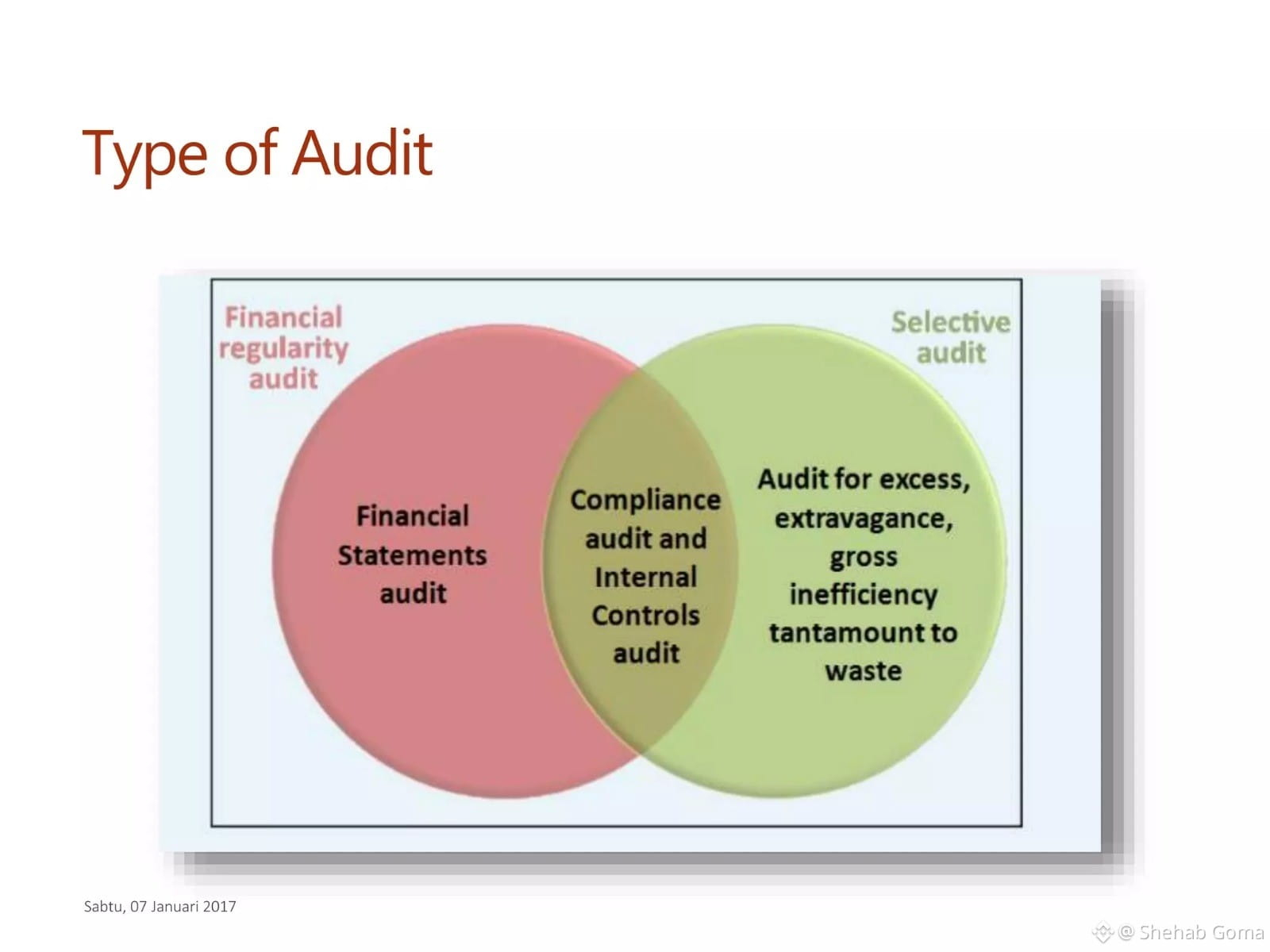
At the same time, privacy alone isn’t enough. Financial systems still need to be verifiable. Regulators need visibility. Audits need to happen. The real requirement is balance information should be accessible when it’s required not exposed by default. That’s the difference between secrecy and auditability.
This is why infrastructure built around selective privacy feels more aligned with how finance actually works. Rather than treating privacy as a feature to bolt on later, platforms like Dusk Foundation embed it alongside auditability at the architectural level. That approach isn’t ideological it’s operational.
The more I think about it, the clearer it becomes that financial privacy isn’t something users ask for after the fact. It’s something workflows depend on from the start.
In finance, privacy isn’t a preference. It’s what allows complex systems to function smoothly.
