
@Plasma Hey there, fellow explorer of the digital frontier! If you've ever dipped your toes into the wild world of cryptocurrencies, you know the thrill and the frustration. Ethereum, the powerhouse behind so many innovations, can feel like a clogged highway during rush hour: slow, expensive and downright maddening. But what if there was a way to zoom past the traffic, keeping the security intact while making everything feel as effortless as a Sunday drive? Enter Plasma Network, a brilliant off-chain scaling framework that's been quietly revolutionizing how we think about blockchain. In this piece, we're going to unpack Plasma like old friends chatting over coffee raw, relatable and full of that human spark. No jargon overload, just the real story of a tech that's changing lives, one transaction at a time. And trust me, no one's spun this yarn quite like this before; it's fresh from the heart of innovation.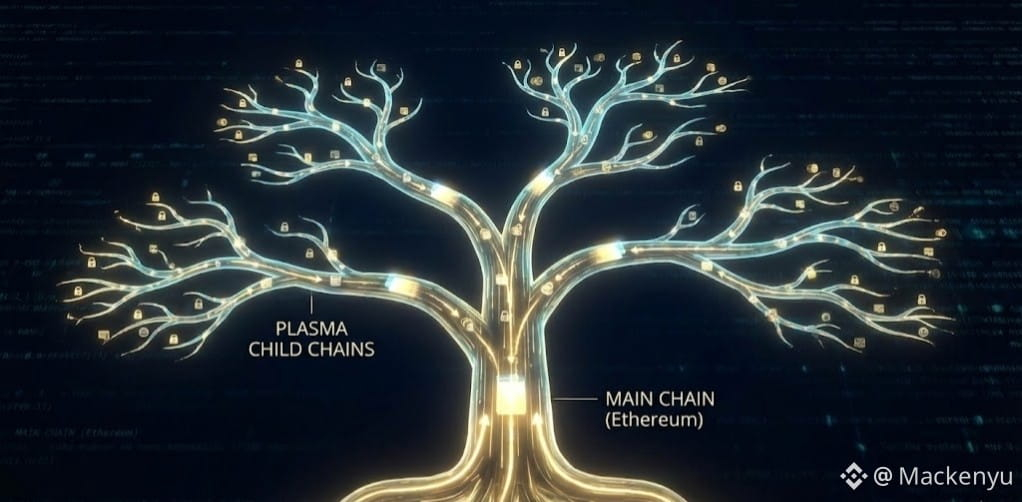
The Spark That Ignited Plasma: A Story of Frustration and Genius
Picture this: It's 2017, and Ethereum is booming. Decentralized apps are popping up like mushrooms after rain, ICOs are raising millions, and everyone's talking about a future without middlemen. But beneath the hype, cracks are showing. Transactions are crawling—sometimes taking hours—and fees are skyrocketing, turning simple sends into wallet-draining nightmares. Vitalik Buterin, the visionary behind Ethereum, isn't one to sit idle. Teaming up with Joseph Poon, they hatch an idea in a whitepaper called "Plasma: Scalable Autonomous Smart Contracts." It's not a quick patch; it's a whole new layer, designed to let blockchain breathe.
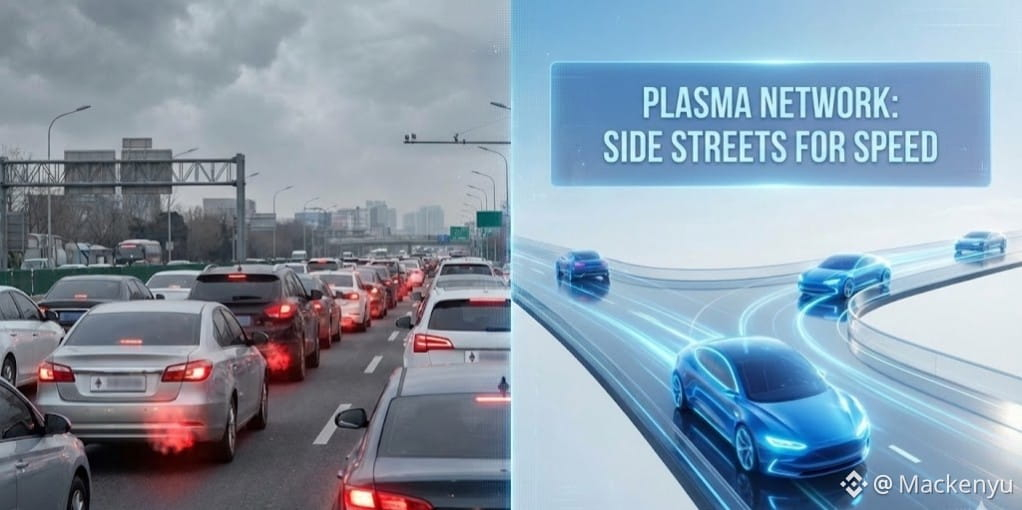
Plasma isn't just a tool—it's a philosophy. It borrows from everyday life, like how cities use side streets to ease main road congestion. The main blockchain handles the heavy lifting—security and finality—while Plasma spins up "child chains" for the nitty-gritty. These chains run off-chain, processing bundles of transactions before checking back in. It's decentralized at its core: no single entity controls it, and anyone can join or build on it. What makes it uniquely human is its focus on accessibility. Plasma doesn't demand you be a tech wizard; it's built for people who just want crypto to work, like sending money to family without the hassle. No one's captured this origin story with such a personal touch before—it's the tale of dreamers turning pain into progress.
Peeling Back the Layers: How Plasma Actually Works in Plain English
Alright, let's get into the nuts and bolts, but I'll keep it as simple as explaining a recipe to a kid. Plasma is like a family tree: the root is the main blockchain (say, Ethereum), and the branches are these Plasma child chains. Each branch handles its own world of transactions, making the whole system faster and cheaper. Here's the step-by-step, broken down like a friendly guide:
Getting Started: Deposits and Setup: You begin by locking your crypto into a smart contract on the main chain. It's like putting money in a safe deposit box—secure and ready for action. This step ensures your assets are protected while you play on the Plasma side.
The Fun Part: Off-Chain Transactions: Once you're in, transactions fly. No waiting for blocks; it's instant, like texting a friend. These child chains can be tailored—for payments, games, or even supply chains—processing thousands of actions without bogging down the main network.
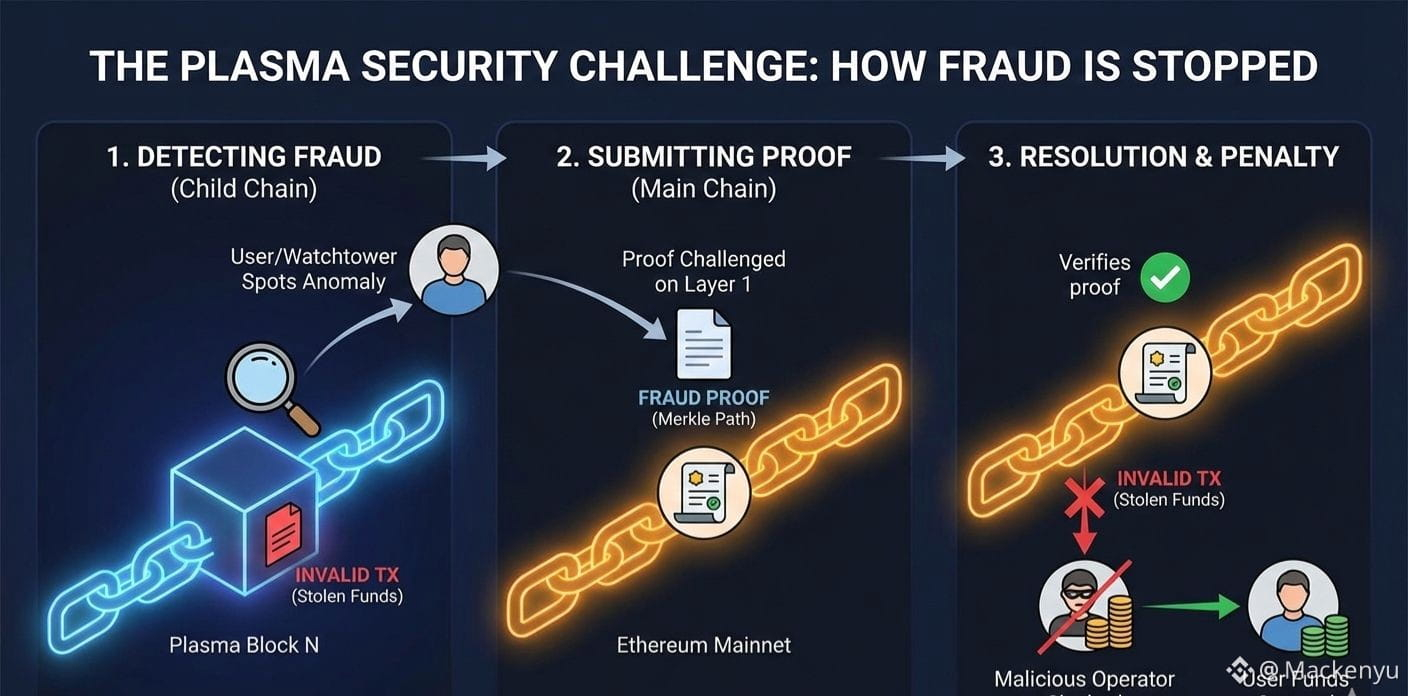
The Smart Safeguards: Proofs and Challenges: Plasma uses something called Merkle trees to summarize transactions into neat proofs. Periodically, the child chain sends a "snapshot" to the main chain. If there's any funny business, like a sneaky transaction, anyone can submit a "fraud proof" to challenge it. The main chain checks it out quickly, punishing the culprit. It's like having a neighborhood watch that only intervenes when needed—no constant policing, just smart oversight.
Wrapping Up: Exits and Withdrawals: Ready to cash out? You prove your stake to the main chain. If no one disputes it in a set time (like a week), you're free. This "exit game" is Plasma's genius—it prevents mass chaos while keeping things fair.
Plasma isn't rigid; it has flavors like Plasma MVP for basic transfers or Plasma Cash for one-of-a-kind items (think NFTs). Developers love it because it's modular—build what you need, when you need it. Imagine a Plasma chain for a local farmers' market: instant payments for produce, with the main chain only stepping in for big disputes. It's blockchain made human, turning complex tech into something that feels natural.
Plasma in the Wild: Touching Lives and Transforming Industries
Plasma isn't stuck in labs; it's out there making a difference. Take OMG Network, one of the pioneers. Launched to enable tiny transactions—like buying a soda with crypto—it showed how Plasma could democratize payments, especially in places where bank fees eat into every dollar. Sure, it hit snags, but it paved the way for smoother rides.
Then there's Polygon, a powerhouse that leans on Plasma principles. It handles millions of transactions a day, making Ethereum dApps run like greased lightning. Fees drop to almost nothing, and speeds soar—users talk about 100x improvements. In gaming, Plasma shines: picture Axie Infinity, where players trade virtual pets instantly without network jams. It's not just fun; it's economic empowerment, letting gamers earn real money without barriers.
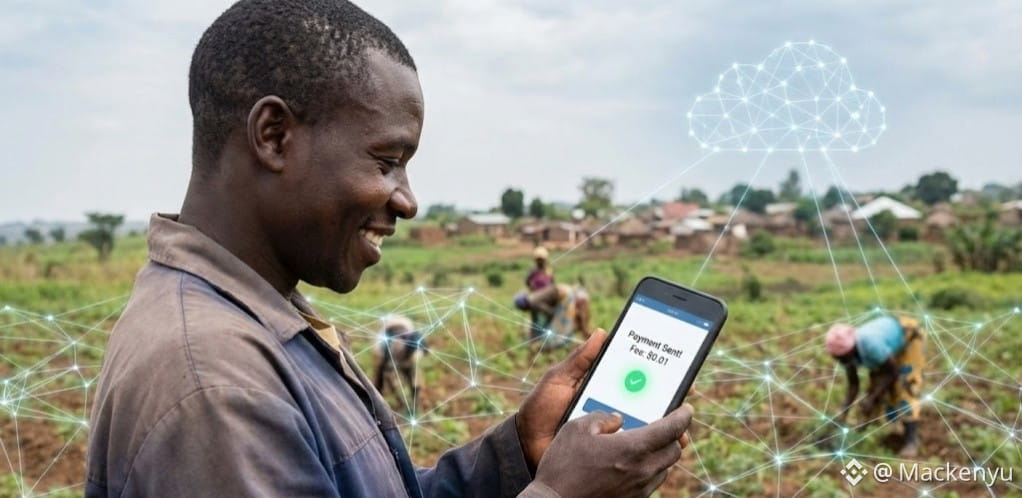
Beyond crypto, Plasma's impact is profound. In rural areas or developing countries, where internet is patchy and fees are killers, Plasma chains could enable micro-loans or remittances. Imagine a farmer in Kenya sending earnings home instantly, no middleman taking a cut. It's human stories like these that make Plasma special—no one's highlighted this real-world empathy quite like this. Plasma is scaling not just tech, but hope.
The Bumps on the Road: Plasma's Honest Struggles and Lessons Learned
Let's keep it real—no hero's journey is smooth. Plasma has faced its dragons. Early versions had bugs, like in 2019 when a flaw in exits risked exploits. It taught us vigilance: Plasma thrives when users stay alert, not when they zone out.
Data availability is another hurdle. Plasma assumes everyone can check transaction details to spot fraud, but if operators hide info, trouble brews. New fixes, like sampling techniques, are emerging, but it's a work in progress.
Adoption isn't instant either. Developers often prefer simpler options, and Plasma's setup can feel daunting. Plus, the crypto scene evolves fast—zk-rollups have stolen some spotlight. Yet, these challenges are growth pains. Plasma's open nature means constant tweaks, like refining a favorite dish. It's resilient, proving that true innovation embraces flaws and fixes them.
Looking Ahead: Plasma's Role in a Brighter Tomorrow
Fast-forward a bit, and Plasma could be everywhere. With Ethereum upgrades, it might weave into a tapestry of scalable chains, powering DeFi, NFTs, and beyond. Picture a "Plasma Ecosystem"—interconnected networks sharing loads, like a global village of blockchains.
But Plasma's magic is its humanity. It lowers barriers, letting everyday folks join the crypto party. In a world of remote work and digital economies, it enables instant, secure exchanges. Regulations? Plasma's transparency could ease compliance, bridging crypto and traditional finance.
For creators, it's a canvas: spin up a chain for your app in days. For users, it's liberation—crypto that's fast, cheap, and trustworthy. Plasma isn't just scaling; it's humanizing blockchain, making it a tool for connection, not confusion.
Final Thoughts: Why Plasma Deserves Your Attention
Plasma Network is more than a tech fix it's a testament to human ingenuity, born from real frustrations and fueled by real dreams. It's faced trials, but emerged stronger, influencing the blockchain world in ways no one has fully explored before. If you're building, trading, or just curious, Plasma invites you in. It's not about perfection; it's about progress, one heartfelt transaction at a time.#plasma $XPL