


Blockchains learned how to compute. They learned how to settle. What they still struggle with is remembering things properly.
Walrus exists because data is no longer a side concern in Web3—it’s the substrate. Markets, identity systems, AI pipelines, compliance trails, and governance all depend on data that must persist, remain verifiable, and survive incentives changing around it. Cheap storage isn’t enough. Trustworthy memory is the real requirement.
This is where Walrus quietly separates itself from most decentralized storage narratives.
Storage as a System of Record
Most decentralized storage protocols are framed as alternatives to cloud buckets. Walrus positions itself closer to a system of record—a place where data doesn’t just live, but can be referenced, audited, and relied upon years later.
That distinction matters because many Web3 applications are crossing a threshold where data disputes have consequences. Prediction markets need immutable histories. Identity systems need permanent credentials. Analytics platforms need raw data that hasn’t been selectively filtered.
Walrus is increasingly chosen not because it’s cheaper, but because it removes ambiguity.
Why Serious Applications Care About Auditability
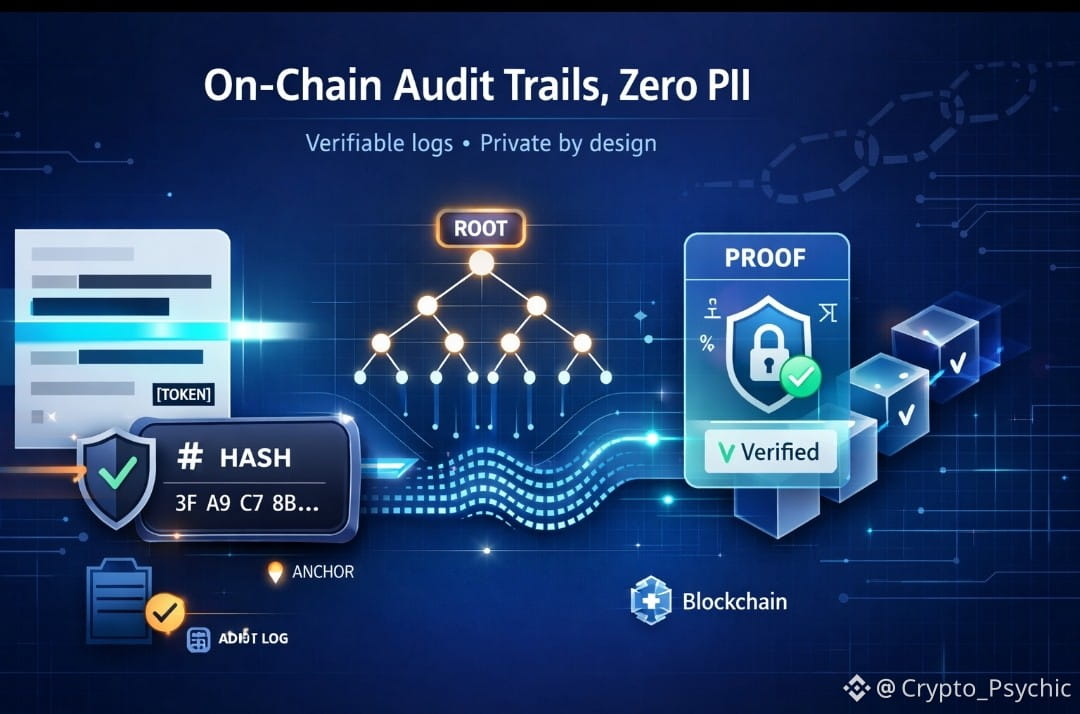
When an application stores only part of its data on-chain and the rest “somewhere else,” trust leaks. Walrus enables projects to store complete datasets—including images, metadata, and state transitions—so that outcomes can be independently verified.
This has made it attractive to:
Prediction markets that require post-event scrutiny
Identity systems managing encrypted credentials
Protocols subject to regulatory or governance review
In all these cases, the question isn’t “can the data be retrieved?” It’s “can the data be proven unchanged?”
Dynamic Storage Changes How Builders Design Systems
Traditional storage models force teams to guess future demand. Over-allocate and waste resources, or under-allocate and risk outages. Walrus introduces dynamic storage, allowing capacity to expand and contract as applications evolve.
This seemingly technical detail has major implications:
AI and analytics workloads can scale unpredictably
Streaming and media-heavy apps avoid hard ceilings
Developers design for growth without re-architecting
Storage stops being a constraint and starts behaving like infrastructure.
Asynchronous Security: Built for the Real Internet
Most decentralized systems quietly assume good network conditions. Real-world networks don’t cooperate.
Walrus is designed to remain secure even when messages arrive late, out of order, or are partially lost. This asynchronous security model ensures storage proofs remain valid under stress—an essential property for global systems that cannot rely on ideal connectivity.
For enterprises, this matters more than headline performance metrics. Reliability under bad conditions is what separates experiments from infrastructure.
Closing the Latency Gap With Edge Integration
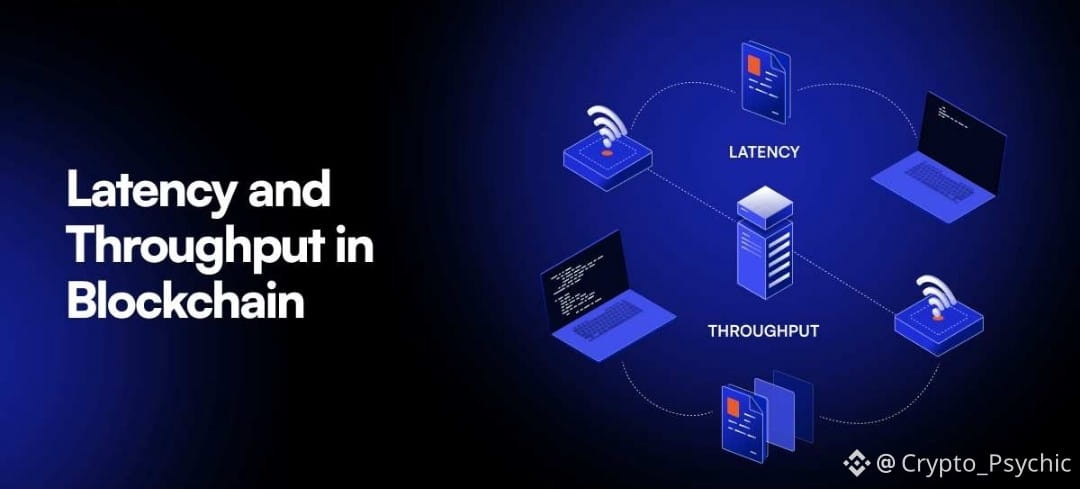
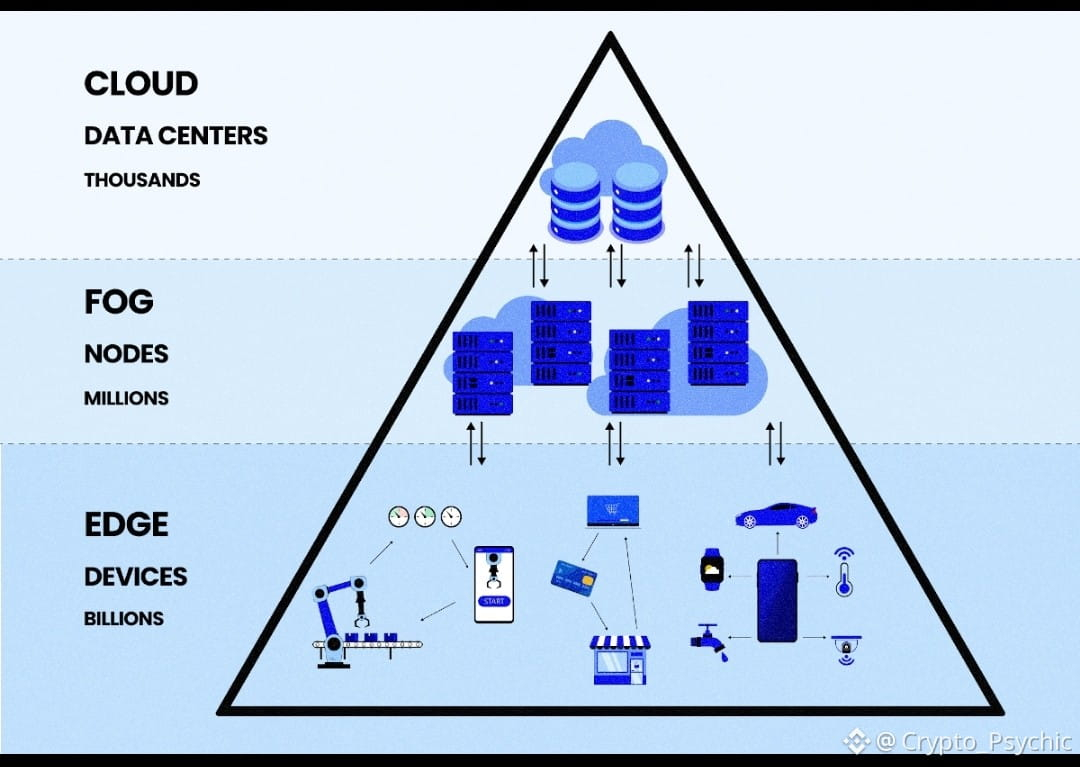
Decentralized storage has historically traded trust for speed. Walrus reduces that trade-off by integrating with edge computing environments, allowing data to be accessed quickly while remaining decentralized at rest.
This is critical for:
AI inference pipelines
Real-time analytics
Interactive applications
Decentralization no longer implies sluggishness. Walrus treats performance as a requirement, not a concession.
WAL: Coordination Over Speculation
As the network matures, WAL’s role is shifting from pure utility to governance and coordination. Storage pricing, policy decisions, and upgrade paths are increasingly shaped by stakeholders with long-term incentives.
That’s appropriate for a storage network. Data outlives market cycles. Governance needs to reflect that durability.
Walrus treats WAL less as an attention vehicle and more as a way to align participants around maintaining shared memory.
The Bigger Pattern
Web3 is moving from novelty to responsibility. Applications now need to answer hard questions about data permanence, compliance, and trust. Walrus fits this phase naturally.
It’s not trying to replace cloud providers wholesale. It’s building the layer that cloud providers cannot offer: verifiable, censorship-resistant, audit-friendly data infrastructure.
The Long term view
If Web3 succeeds, it will produce records that outlive companies, teams, and narratives. Those records need somewhere to live—somewhere neutral, resilient, and provable.
Walrus is positioning itself as that place.
Not a storage protocol you notice every day—but one you depend on when it matters.