
One thing I’ve started paying attention to in crypto is this: would anyone outside this space actually enjoy using this product?
Not “understand” it. Not “invest” in it.
Just… use it. Without stress. Without tutorials. Without feeling like they stepped into a foreign world.
That’s the question Vanar keeps answering better than most projects I’ve watched.
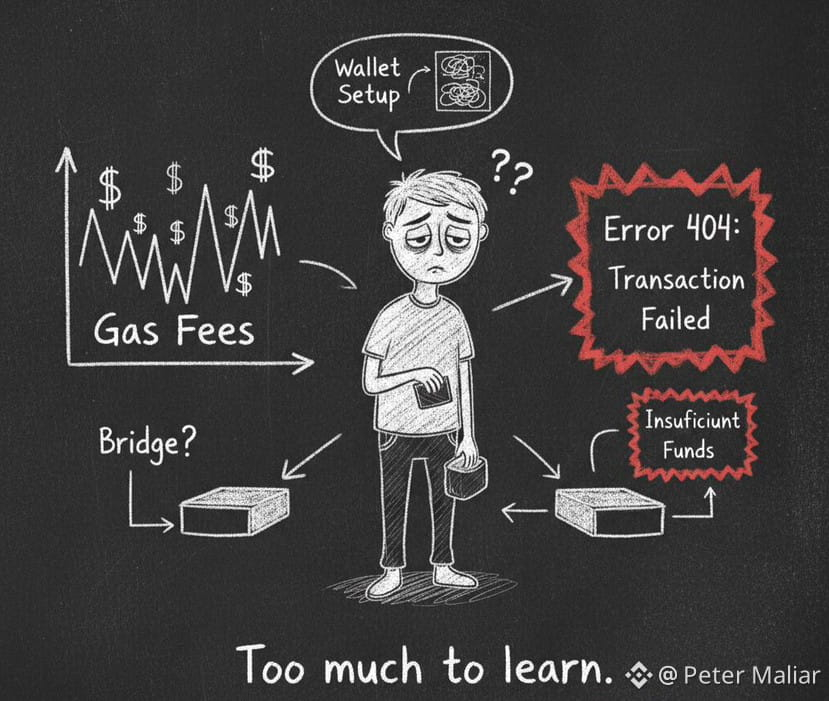
When I first looked into it, what surprised me wasn’t some crazy technical claim. It was how little they tried to show off. There was no “we’re the fastest,” “we’re the cheapest,” “we’re the future of everything” noise. Instead, the focus felt very practical: how do we make blockchain fit into things people already do, like playing games, joining communities, collecting digital items, or interacting with brands?
That mindset matters.
Most chains feel like they want users to adapt to them. Learn the wallet. Learn gas. Learn bridges. Learn mistakes. Vanar seems to be doing the opposite. It’s quietly trying to adapt itself to users.
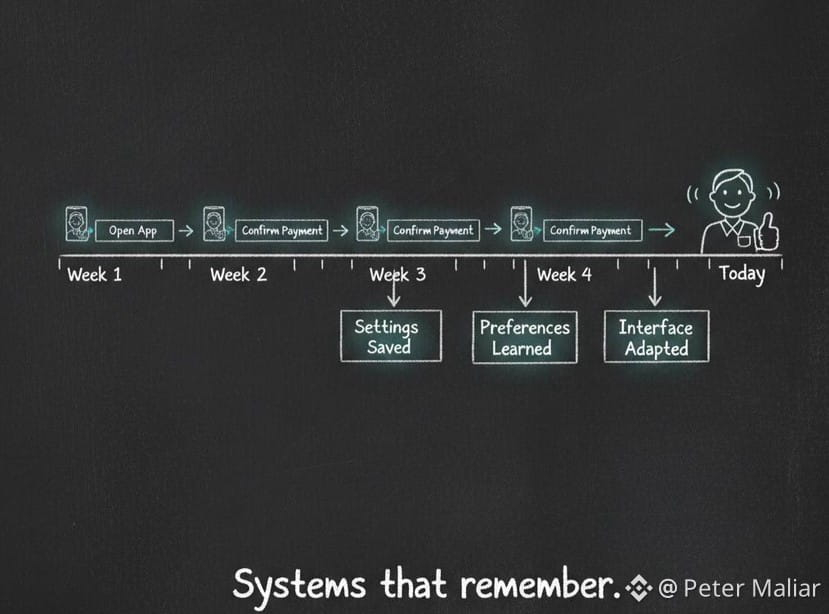
Another thing I noticed is how much they care about “memory” and “workflows.” At first, I thought it was just another buzzword trend. But the more I looked into it, the more it made sense. Real apps don’t just run one action and stop. They remember what you did. They adjust. They automate. They guide you. Vanar is building toward that kind of experience, where blockchain isn’t just recording things, but supporting ongoing systems.
That’s a big shift.
Then there’s fees. This is boring, but it’s huge. Regular people don’t tolerate surprise costs. They won’t accept that “sometimes it’s cheap, sometimes it’s expensive.” They just leave. Vanar treats cost stability like part of the product, not an afterthought. If you’re running a game, a marketplace, or a loyalty system, that predictability is everything.
On the builder side, Vanar also feels realistic. They’re not trying to reinvent every tool. They’re making it easier for developers to step in without throwing away everything they already know. That lowers the barrier to experimentation. And experimentation is what turns platforms into ecosystems.
What really makes the strategy click for me is their focus on entertainment and brands.
People don’t wake up wanting to “use blockchain.”
They want to play, collect, connect, and express themselves.
Games, digital worlds, memberships, and limited items are natural entry points. If Vanar becomes the infrastructure under those experiences, users won’t even think about Web3. They’ll just enjoy the product. And that’s how adoption actually happens.
Now about VANRY.
To me, it only makes sense when you see it as part of that system. It’s not meant to be hype fuel. It’s meant to power activity, security, and participation. If usage grows, the token gets used naturally. If usage doesn’t grow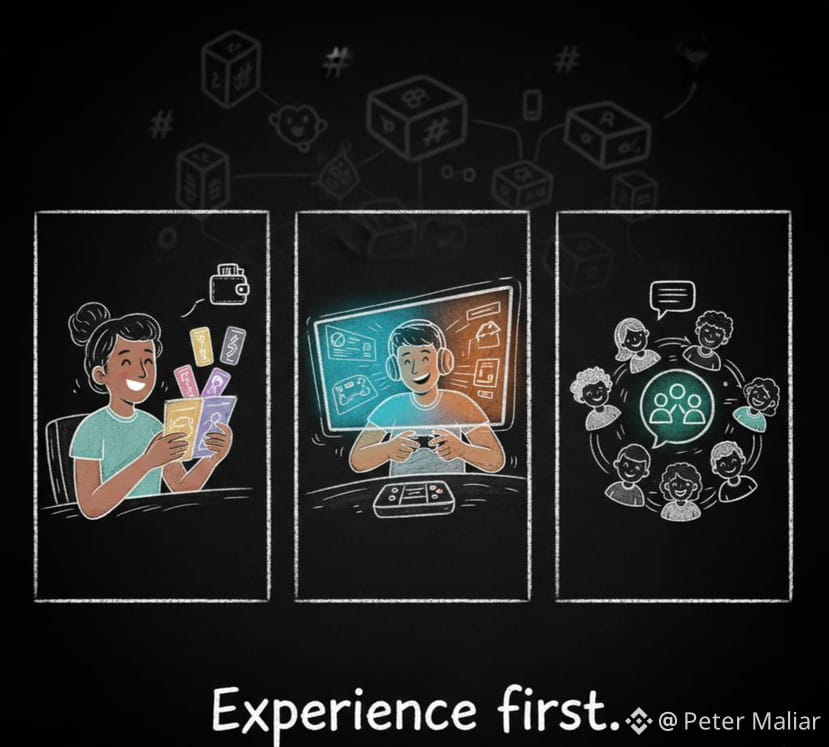 , no narrative can save it. That’s a fair setup.
I also respect that Vanar doesn’t seem obsessed with fast wins. Their approach feels long-term. More about building something that survives than something that trends. That shows up in how they think about validators, incentives, and growth pacing.
But let’s be honest: vision alone isn’t enough.
The real test is execution.
The next phase has to deliver tools and systems that teams can actually use without friction. Not demos. Not concepts. Real products. The moment developers can plug into workflows easily and users start staying without being pushed, everything changes.
That’s when a project stops being “interesting” and starts being “important.”
Right now, Vanar feels like it’s trying to build the kind of blockchain you don’t have to explain. One where the technology works quietly in the background, and people only notice that things are smooth, fast, and simple.
In a space that loves complexity, that kind of simplicity might be its biggest strength.