


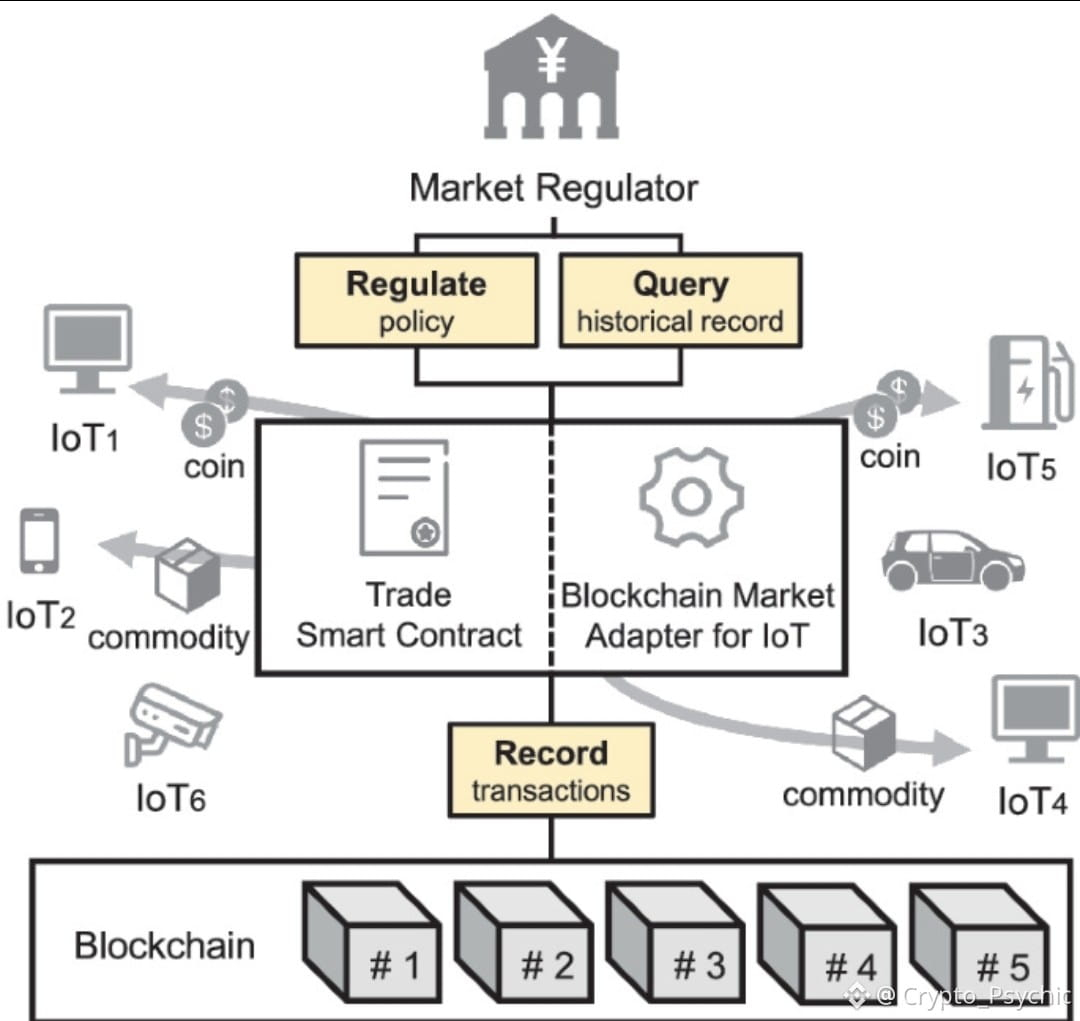
Most blockchains talk about finance. Dusk Network is one of the few that is actually designed for it.
The difference is subtle but decisive. Dusk does not start from the assumption that openness alone creates better markets. It starts from a harder truth: real financial markets require privacy, structure, and accountability at the same time. Lose any one of those, and institutions simply cannot participate.
This is not a narrative problem. It’s a systems problem.
The Core Tension Public Chains Avoid
Public blockchains excel at transparency. Capital markets depend on discretion.
Order sizes, counterparties, pricing strategies, and settlement flows cannot be broadcast in real time without distorting the market itself. Open mempools work for retail experimentation, but they fail the moment trades become meaningful in size.
Dusk is built around resolving this contradiction. It introduces selective privacy—transactions can remain confidential by default, while still producing cryptographic proofs that allow audits, compliance checks, and regulatory oversight when required.
That balance is rare, and it’s not accidental.
Privacy as Market Infrastructure, Not Ideology
Many privacy-focused projects frame confidentiality as resistance. Dusk frames it as market hygiene.
Institutions don’t need invisibility. They need controlled disclosure:
Regulators must verify correctness
Auditors must trace settlement
Counterparties must validate outcomes
Dusk’s architecture allows all of this without exposing sensitive trading information to the entire network. Privacy here is not about hiding—it’s about scoping visibility correctly.
That distinction is why Dusk feels closer to financial plumbing than crypto experimentation.
Why a Quiet Mainnet Signals Maturity
Dusk’s mainnet evolution has been deliberately uneventful. No dramatic launches, no incentive storms, no frantic rebranding. Just incremental upgrades, predictable finality, and stable block production.
In crypto, that can look like stagnation. In finance, it looks like readiness.
Markets trust systems that behave consistently under load. Dusk’s restraint suggests a shift from innovation theater to operational reliability—the phase where infrastructure stops changing shape and starts carrying weight.
Data Integrity Is as Important as Privacy
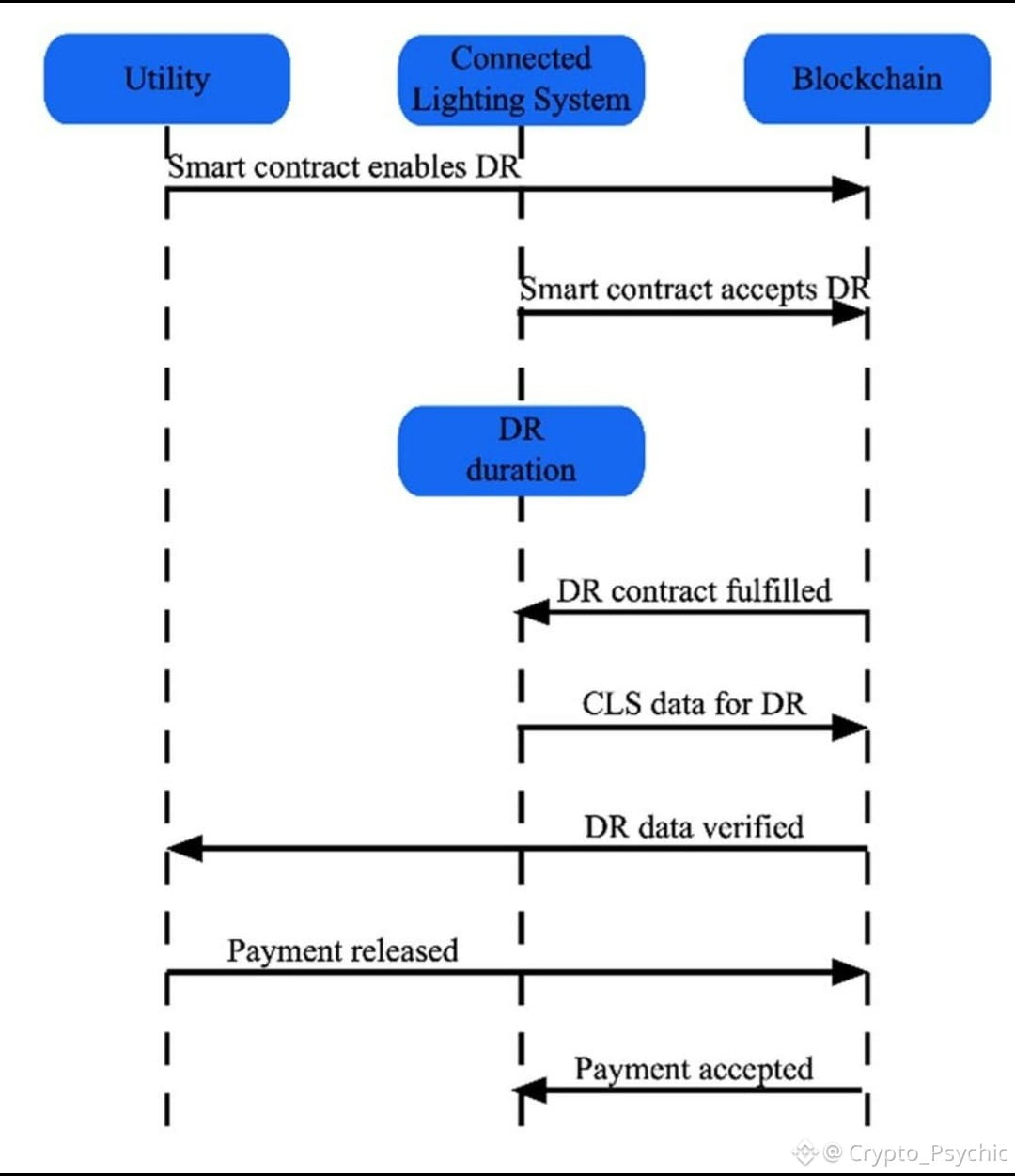
A regulated market is only as credible as its data. Price feeds, settlement references, and valuation inputs must be authoritative and auditable.
Dusk integrates verified data sources directly into its stack, aligning on-chain execution with off-chain financial standards. This is not DeFi-style oracle experimentation. It’s market data treated as infrastructure.
Without this, privacy alone would be meaningless. With it, Dusk becomes capable of hosting real financial workflows.
Tokenized Assets Without Shortcutting Reality
Tokenization is often marketed as frictionless. Dusk assumes the opposite.
Securities come with obligations: reporting, custody rules, jurisdictional constraints, and post-trade processes. Dusk does not abstract these away—it embeds them at the protocol level.
This is why its approach to tokenized assets feels slower, but also more credible. It’s not trying to prove that assets can be tokenized. It’s proving they can be issued, traded, and settled correctly.
EVM Compatibility as a Practical Bridge
Dusk’s EVM layer is not an identity shift—it’s a translation layer. Financial developers already understand Ethereum tooling. Forcing them to relearn everything would be counterproductive.
By offering EVM compatibility on top of a privacy-first settlement layer, Dusk lowers adoption friction while preserving its core design. Developers gain confidentiality primitives without abandoning familiar workflows.
That’s how ecosystems grow without losing focus.
The Role of the DUSK Token
The DUSK token exists to secure the network and align validators around correctness and uptime. It is not positioned as a speculative growth engine.
That restraint is intentional. Financial infrastructure benefits from stable incentives, not reflexive volatility. Trust is built over years, not market cycles.
Dusk’s economics reflect that reality.
What Dusk Is Actually Competing Against
Dusk is not competing with retail Layer-1s or narrative-driven ecosystems. It is competing with:
Legacy settlement systems
Private, permissioned ledgers
Fragmented post-trade infrastructure
Its advantage is that it offers institutional-grade controls on a public, composable network—something traditional systems cannot do without sacrificing openness.
The Long Horizon
If public blockchains are ever to host equities, bonds, or regulated derivatives at scale, privacy and compliance cannot be bolted on later. They must exist at the foundation.
Dusk is building that foundation now—quietly, methodically, and without spectacle.
If it succeeds, it won’t look like a crypto success story.
It will look like something more consequential: a public blockchain that serious markets simply start using.