
Blockchain technology has grown rapidly, but for many people it still feels distant and complicated. Wallets, gas fees, private keys, and technical language often make Web3 seem like a space only for experts or traders. Vanar was created to change this situation by making blockchain useful in everyday digital life instead of something people need to struggle to understand.
Vanar is a Layer-1 blockchain built with real-world adoption in mind. Instead of focusing only on crypto trading or decentralized finance, it focuses on industries people already use daily, such as gaming, entertainment, digital brands, virtual environments, and AI-powered platforms. The goal is simple: bring blockchain technology to users in a way that feels natural and seamless.
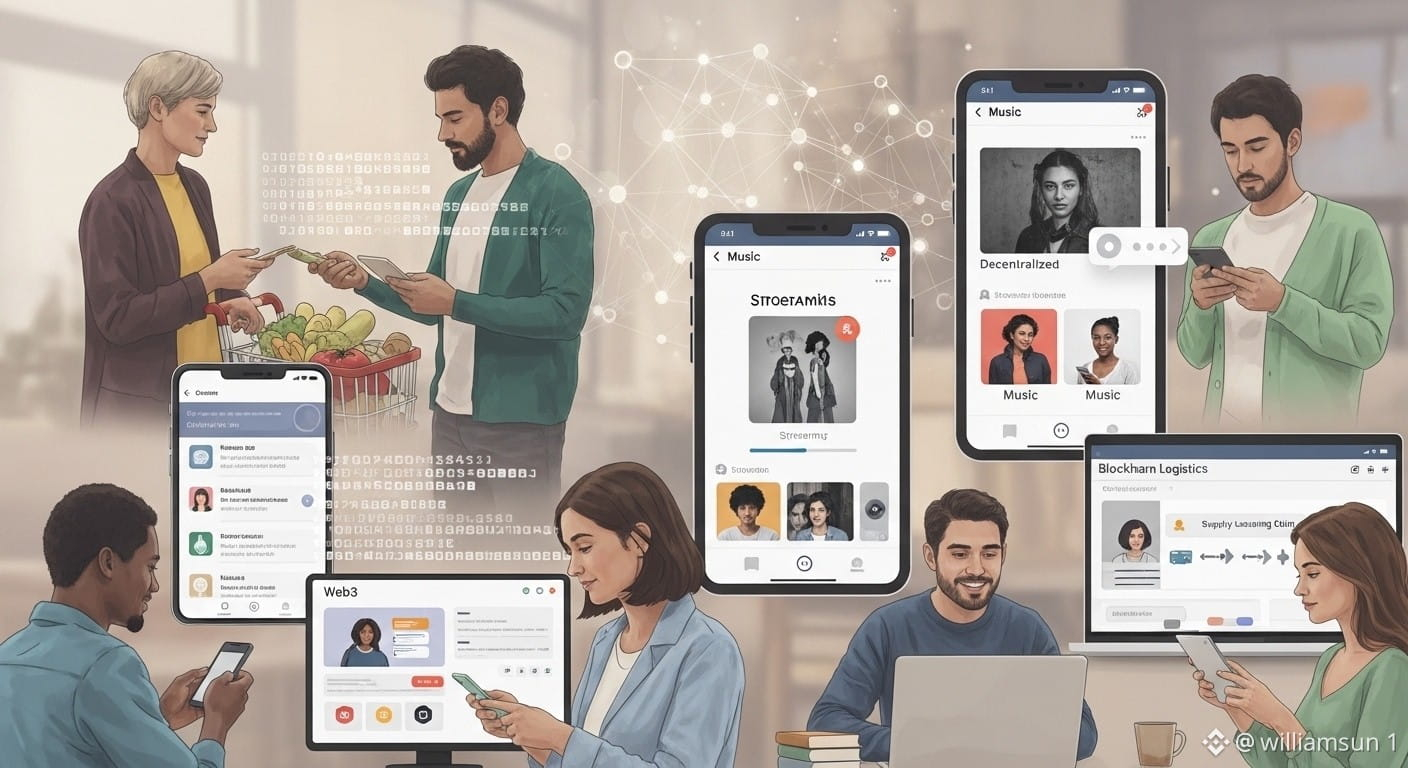
The team behind Vanar comes from gaming and entertainment backgrounds, and that experience shaped the network’s direction. They understand that mainstream users don’t want technical complexity. People want smooth digital experiences that are fast, affordable, and enjoyable. Most users don’t even want to know blockchain is running in the background — they just want things to work. Vanar tries to make blockchain invisible while still delivering its benefits like digital ownership and decentralized systems.
Many blockchains exist today, but several still struggle with expensive fees, slow transaction speeds, scalability problems, or poor user experience. These issues make consumer adoption difficult, especially in areas like gaming where speed and cost matter a lot. Vanar attempts to solve these challenges by focusing on fast transaction processing and very low fees, allowing microtransactions and real-time interactions to happen without friction.
Another important aspect of Vanar is its energy-efficient infrastructure. As environmental concerns become more important globally, networks that operate more efficiently gain stronger appeal, especially for brands and enterprises looking to adopt blockchain responsibly.
Vanar is also developer-friendly. Applications built on Ethereum or using familiar tools can more easily migrate or build within the Vanar ecosystem. This reduces barriers for developers and helps expand available applications faster.
The network operates as an independent Layer-1 blockchain, meaning it runs on its own infrastructure and validator network. It uses a reputation-based validation system combined with delegated participation, encouraging responsible network behavior while maintaining performance and fairness. The aim is to keep the network secure without sacrificing speed.
Vanar is not just infrastructure; it includes an expanding ecosystem of products built for mainstream use. One of the well-known components is the Virtua Metaverse, a virtual environment where users can explore digital worlds, socialize, attend events, and own virtual assets. Instead of relying on centralized platforms to control digital items, users can actually own their assets through blockchain technology.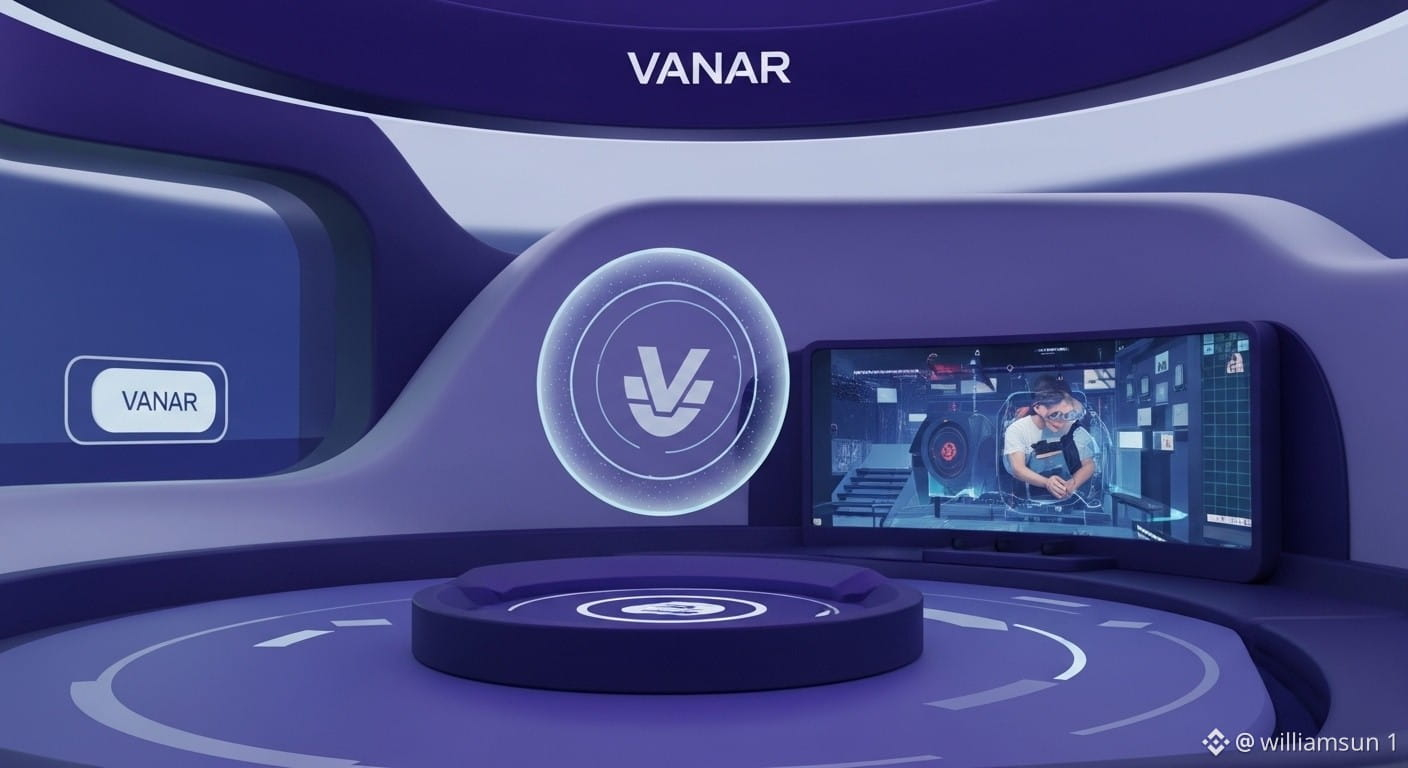
Gaming is another core focus through the Vanar Games Network, often called VGN. This network allows developers to integrate blockchain features into games without making them complicated for players. Players can own in-game items, earn rewards, and participate in digital economies while still enjoying familiar gaming experiences. Transactions remain fast and inexpensive, so gameplay is not interrupted by blockchain processes.
Vanar also incorporates artificial intelligence to enhance applications and user experiences. AI can assist in managing data more efficiently, generating content, personalizing experiences, and improving virtual environments. Combining AI with blockchain opens possibilities for smarter decentralized applications and more engaging digital platforms.
Beyond gaming and virtual worlds, Vanar also works with brands and enterprises looking to enter Web3. Companies can build loyalty programs, digital collectibles, customer engagement systems, and virtual brand experiences without needing deep blockchain knowledge. This creates opportunities for businesses to interact with audiences in new digital ways.
At the center of the ecosystem is the VANRY token, which powers the network. It is used to pay transaction fees, reward validators, operate applications, and support ecosystem incentives. VANRY replaced the earlier Virtua token to unify the ecosystem under a single token aligned with Vanar’s broader vision.
Vanar’s adoption strategy focuses on industries that already attract massive audiences. Instead of expecting users to learn blockchain first, Vanar integrates blockchain into experiences people already enjoy, lowering entry barriers. This approach could be key to bringing millions or even billions of users into Web3.
Of course, challenges remain. Vanar competes with larger and more established blockchain networks, and long-term success depends on attracting developers, growing its ecosystem, and increasing real-world usage. Market volatility and competition also present ongoing risks.
Still, Vanar represents a shift in blockchain thinking — from technology built mainly for speculation toward infrastructure designed for everyday experiences. By focusing on gaming, entertainment, AI, and digital brand engagement, Vanar aims to make Web3 accessible without overwhelming users.
If blockchain is to become part of daily life for billions of people, it will likely happen through platforms that feel familiar rather than technical. Vanar is positioning itself to help make that transition possible by putting real users and real experiences at the center of Web3’s future.