
I remember the first time I read a Plasma update, I didn’t feel excited, I just saw a to-do list, and strangely, I respected that more than any promise.
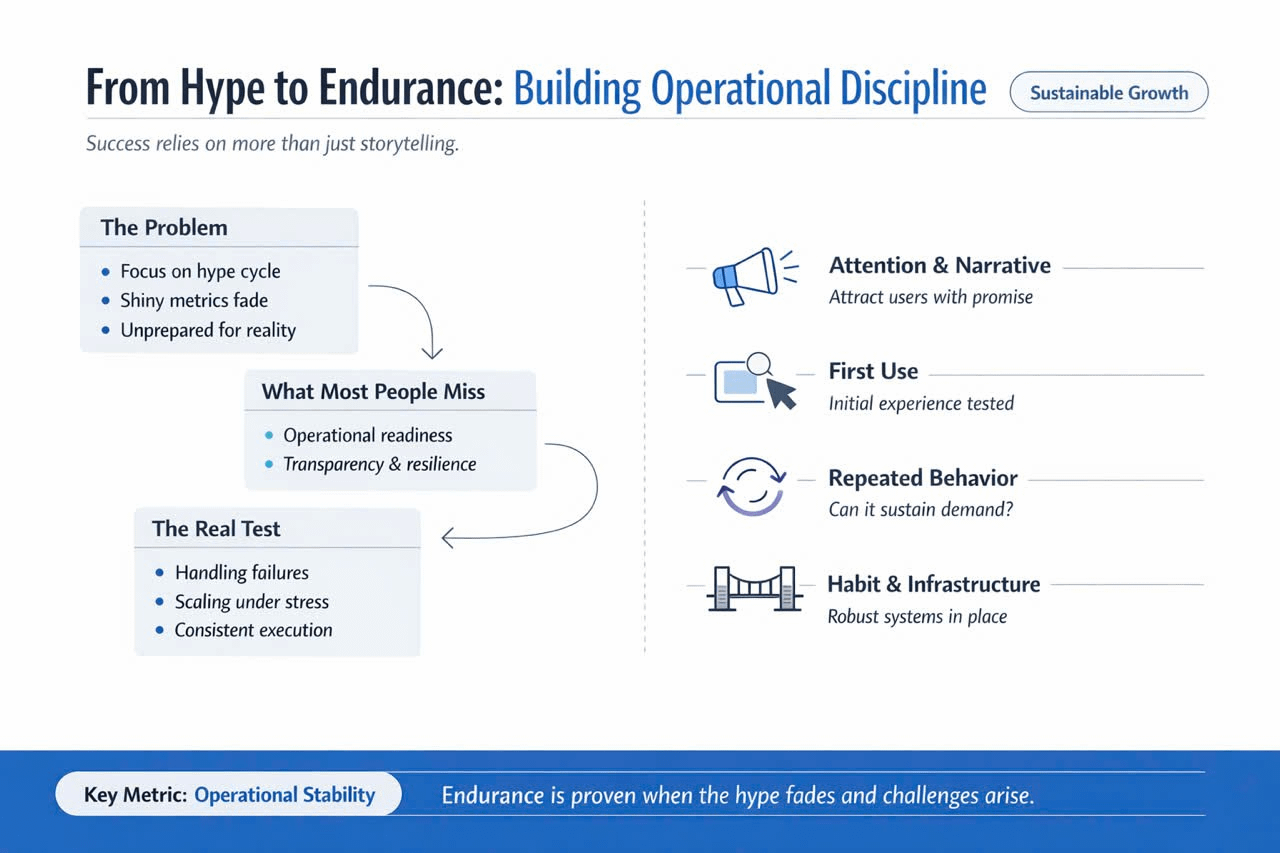
Mainnet Beta, to newcomers, sounds like a door that’s about to open. To someone who has lived through cycles, it feels more like a brightly lit room where every small flaw is visible. The market has a habit of rewarding the story before it rewards the truth, and then when the wind shifts, it comes back with ruthless questions: can the system handle load, is anyone on call when incidents happen, is there a plan for upgrades and recovery, is there transparency when things break. I’ve seen many projects die not because they lacked ideas, but because they couldn’t survive the first week of reality, when pretty numbers get replaced by error logs, user feedback, and long nights fixing what was “already done.”
What I watch in Plasma isn’t the pace of messaging, it’s whether they’re building an operational habit. A network doesn’t collapse because it lacks believers, it collapses because it lacks discipline, lacks observability tools, lacks deployment processes, and lacks the humility to admit risk. Once you’ve seen a small bug turn into a cascading incident, you understand why pieces like testing, controlled releases, metrics monitoring, and incident response are what separate a mature team from a team that’s only good at storytelling.
XPL, if this is Plasma’s economic mechanism, I look at it the way I look at a knife: it can cut cake, and it can cut your hand. A token doesn’t create value by itself, it only distributes pressure. It decides who pays fees, who earns rewards, who gets diluted, and who carries risk when expectations fail. Newcomers ask how high XPL can go; I usually ask how XPL forces participants to behave, whether it’s tied to real demand, or whether it’s tied to a vesting schedule and a sell-loop. I’m not anti-token, I just fear tokens that live by pulling the future into the present while the present is empty.
The most important pieces are usually the ones nobody wants to read: clear documentation, developer tooling, safety standards, how upgrades are handled, and how a project tells the truth when there’s a problem. If Plasma is truly stepping into Mainnet Beta with the mindset that operations are part of the product, safety is the default, and transparency is a discipline, that’s a rare signal. If they’re using “beta” as a coat of paint to pull attention, the market will do the rest soon enough. It always does. It doesn’t need malice, it only needs time.
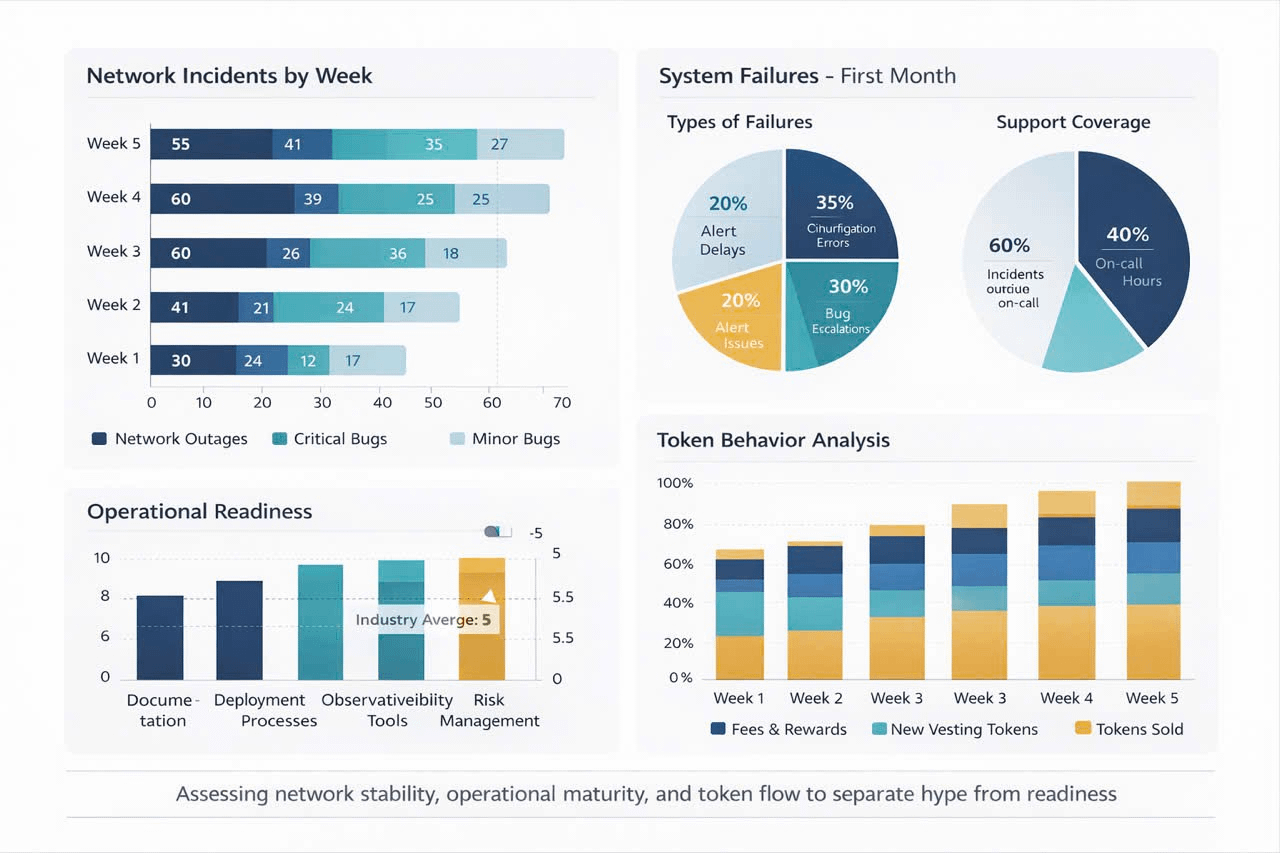
I’m writing for the tired people, because tired is the normal state of anyone serious. Don’t let an update become an excuse to forget risk management. Don’t let a symbol like XPL become a ticket for self-hypnosis. And don’t let the words Mainnet Beta convince you the hardest part is over. The hardest part is always somewhere else, in surviving the days when nobody is talking about you.
In the end, Plasma is only worth watching if it can build endurance, not heat. In a market that repeats itself, the survivor isn’t the one who guesses right once, it’s the one who doesn’t get swept away every time the crowd changes its tone, and I’m too tired to believe in anything that can’t survive silence. @Plasma #Plasma $XPL