

The first time I came across Dusk, I felt a mix 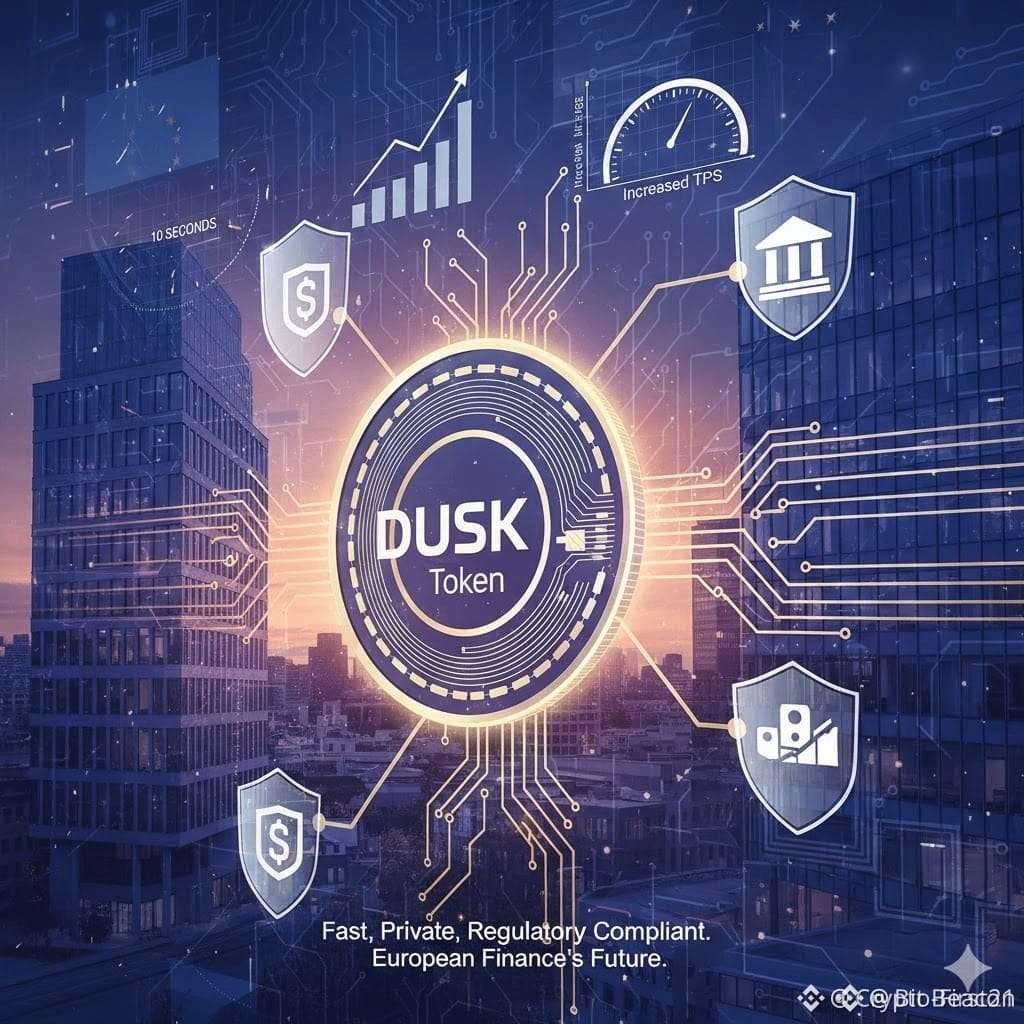 of curiosity and hope. Most blockchain projects I had seen were either flashy experiments chasing hype or platforms built mainly for trading and speculation. Dusk felt different. It felt intentional, thoughtful, and human. It made me realize that someone was finally trying to solve a real problem that affects how people handle finance every day. The question they are asking is simple but profound: how can we bring real financial systems onto a blockchain without sacrificing privacy or ignoring rules? That balance between trust, technology, and human needs is rare, and it instantly drew me in.
From its beginning in 2018, Dusk was not created to follow trends. It was born out of necessity. Banks, investment funds, and other institutions were struggling with a problem that no other blockchain was solving. They wanted to issue digital versions of real world assets such as bonds, shares, or property stakes, but using public 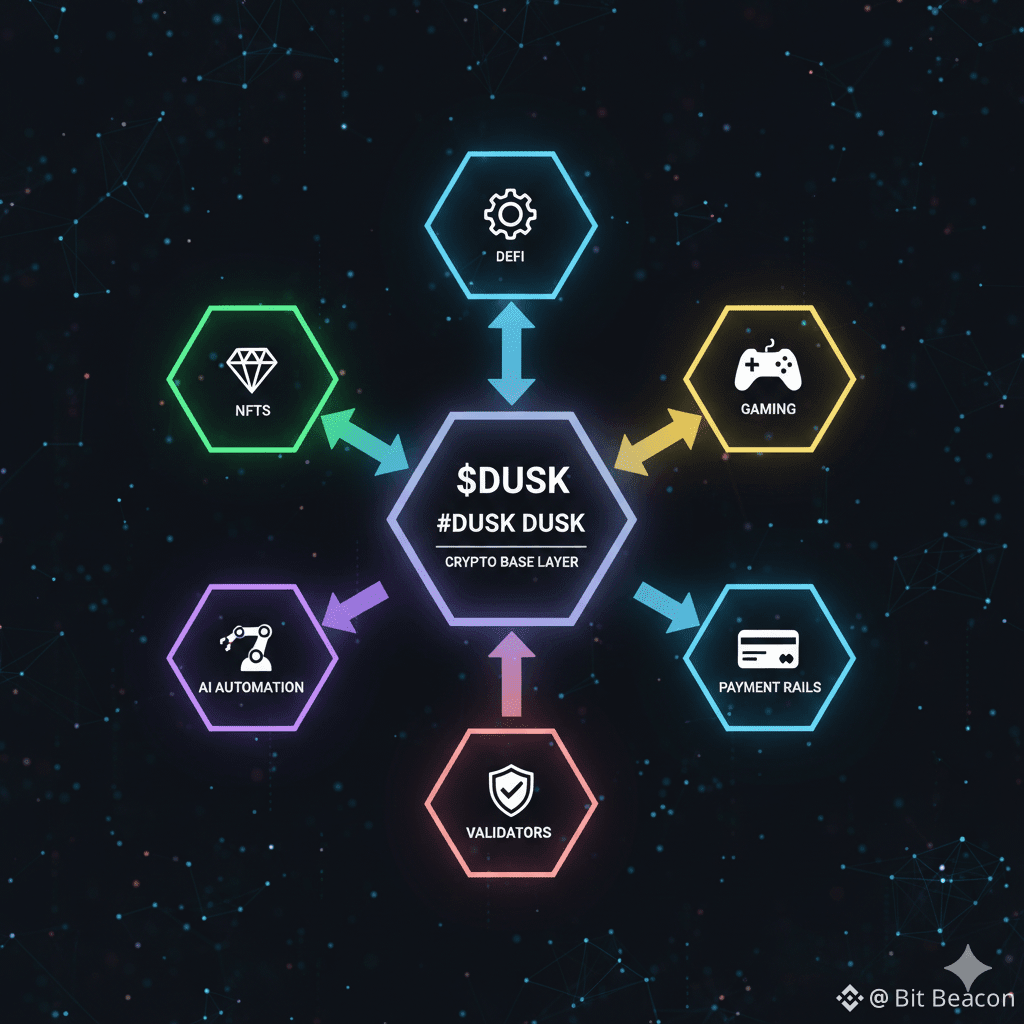 blockchains would expose sensitive information. Ignoring regulations was not an option, and at the same time, clients and investors expected confidentiality. Dusk became the solution to this problem. Its mission is to make privacy and compliance work together instead of against each other. That goal is comforting because it shows that technology can serve human needs, not just abstract ideals.
The technology behind Dusk feels almost magical if you try to understand it. It uses something called zero knowledge proofs, which allows the network to verify transactions, ownership, and balances without ever revealing the private details. It becomes possible to settle trades, verify balances, or prove ownership while keeping sensitive information hidden. On top of that, Dusk has built a consensus system designed to give institutions predictable and final transactions. That is exactly what banks and funds need: certainty, reliability, and security. When I think about it, it is rare to see a system that combines advanced cryptography with practical financial needs so seamlessly. It is more than just code; it is a tool that could change how real institutions handle money.
One of the things that makes Dusk stand out is how it treats privacy and compliance as partners rather than enemies. Many projects focus on one side and ignore the other. Dusk is different. It allows auditors or regulators to verify that rules are followed without ever seeing private data. Its zero knowledge utility tokens function like regulated financial instruments, so you can maintain privacy while still staying within the rules. That approach feels human because it respects people, the law, and trust at the same time. It is a subtle idea, but it carries enormous implications for how digital finance can evolve.
Behind this technology is a team putting in the human effort to make it real. Dusk is not just theory. It has working code, developer tools, and guides that let teams safely build applications. The team is constantly improving their nodes, protocols, and examples for developers. What is striking is the balance between research and practical application. They are not just writing papers or making promises. They are giving people the tools to actually build systems that work in real financial environments. That human effort behind the technology is what makes Dusk feel trustworthy and alive.
The DUSK token is central to how the network functions. It secures transactions, incentivizes participants, and powers the operation of the network. Unlike other tokens that exist mainly for trading, DUSK has a clear purpose. It is used to stake, validate transactions, and ensure that the network runs smoothly. Its design guarantees that the platform remains reliable, secure, and consistent. That reliability is subtle, but it is critical. It is what makes Dusk more than just a concept. It is a working system with a purpose that directly supports its mission.
When I imagine the practical applications of Dusk, I picture a small investment fund wanting to sell shares in a commercial building to investors all around the world. Regulators need rules enforced, tenants want privacy, and banks want security. On Dusk, tokens representing ownership can be issued. Payments and records of ownership remain private. Regulators can confirm compliance without ever seeing sensitive numbers, and investors can trust that their money is safe. That is the kind of problem Dusk was built to solve. It is not just technology for the sake of technology; it is technology that has real impact on real people.
No technology project can succeed without a strong community, and Dusk has built one quietly but steadily. Engineers, legal experts, auditors, and operators contribute code, write guides, and support developers. This human layer gives Dusk its strength. It is more than a blockchain; it is a living ecosystem built on collaboration, trust, and shared purpose. It becomes clear that the project values people as much as technology, which is rare in this space.
Of course, the path is not without challenges. Regulations change constantly, zero knowledge systems are complex, and institutional adoption is slow. Market fluctuations and distractions can also complicate development. Yet, the team behind Dusk moves forward with patience and intention. Their steady approach shows commitment to building something meaningful. The work is deliberate, but the potential impact is enormous. It becomes a reminder that real innovation is often slow, careful, and deeply human.
Recently, Dusk has updated its technical guides, improved developer tools, and refined privacy models. These updates show a team that is learning, evolving, and committed to building with purpose. Their focus is on reliability, trust, and usability rather than hype or shortcuts. Watching this progress makes it clear that Dusk is not a fleeting project. It is a platform designed to last and to solve real problems that matter.
If I think about why Dusk matters, it is not just about the technology or the token. It is about the people building it, the problems it solves, and the balance it strikes between privacy and regulation. Dusk is creating a bridge between cryptography and law. It is showing that real assets can exist on a blockchain safely, without compromising trust, accountability, or human dignity.
When I reflect on Dusk, I feel hope. Not naive optimism, but a quiet conviction that this project could transform the way we handle finance. It respects privacy, follows the rules that protect us, and gives institutions the tools they need to operate securely. That combination is rare. It makes me excited to see where Dusk goes next, and it makes me believe that it could have a real, positive impact on people and the financial systems that shape our lives.