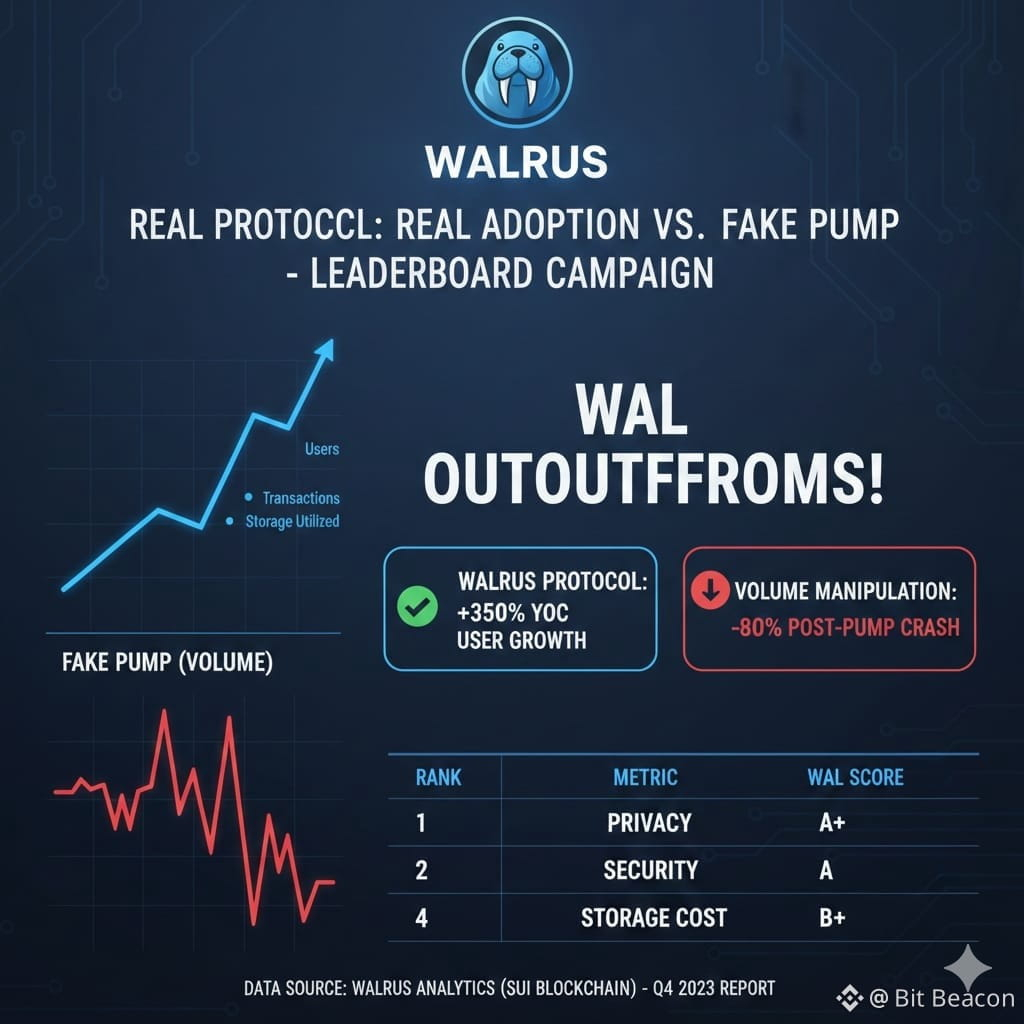
I want to share something that feels both important and rare in the world of crypto. It’s called Walrus, and it is quietly building a system that could change the way we think about our digital lives. This is not just a token or another DeFi project. It’s a project that feels human, practical, and protective of the things we create and value online. In a world where centralized services can vanish overnight, change rules without warning, or take away access, Walrus offers a sense of control, safety, and trust. It becomes a place where creators, developers, businesses, and everyday users can feel confident that their data belongs to them and remains secure.
Walrus operates on the Sui blockchain and focuses on decentralized storage. Unlike traditional storage services where all your files sit on a single server controlled by a company, Walrus splits your files into many fragments and spreads them across multiple independent nodes around the world. Even if some nodes go offline, the system can rebuild your files completely. This makes the network reliable, resilient, and cost-efficient. It becomes a storage network that is private, secure, and practical for real-world use. It is designed for people who care about privacy and for developers who need scalable solutions without the cost and fragility of traditional storage systems.
What makes Walrus feel especially relevant today is the growth of digital content. High-resolution images, videos, AI datasets, and large app assets are becoming massive. Storing them safely is not just a convenience, it’s essential. Traditional cloud storage is expensive and centralized, leaving users vulnerable to outages, policy changes, or even deletion. Walrus provides an alternative. It is affordable, censorship-resistant, and private. It becomes a system where users regain control and no one can suddenly take it away.
The WAL token is at the heart of the network. It is used to pay for storage, stake for rewards, and participate in governance. Holding WAL means you are not just a user; you are a participant in the network. You can vote on upgrades, propose changes, and contribute to the future of the protocol. It aligns the incentives of everyone involved—developers, storage node operators, and users—so that the network can grow sustainably. WAL becomes a bridge between practical utility and community participation, giving everyone a reason to care about the network beyond just its technical features.
Walrus stands out because it uses a smarter approach to storage than most decentralized networks. Instead of simply copying files multiple times across nodes, which is wasteful, it breaks files into fragments and distributes them intelligently. If some nodes go offline, the system can reconstruct the file from the remaining pieces. This reduces storage overhead and keeps costs manageable, making it practical for creators, researchers, and companies that need to store large datasets. It becomes a network that balances efficiency, safety, and privacy.
For developers and everyday users, the process feels seamless. Imagine uploading a huge video or dataset. On Walrus, it is not stored on a single server. The file is divided into fragments and distributed across the network. The system continuously checks that all pieces are safe and available. The Sui blockchain acts as the control layer, recording what is stored, who is storing it, and ensuring the network remains honest and accountable. For developers, it is programmable storage they can use in apps and services. For users, it feels invisible, reliable, and effortless. It becomes technology that quietly works in the background, giving people peace of mind without requiring them to understand the complex mechanics behind it.
Privacy is another aspect that makes Walrus special. Payments, storage, and interactions can remain private while still proving that the data exists and is available. Users retain control over what others can see, and their digital activity is not exposed unnecessarily. In a world where privacy is increasingly compromised, this is a feature that feels essential. It becomes a network where people can feel safe, confident, and in control of their digital lives.
The community aspect of Walrus is also important. WAL token holders are not just passive observers. They can participate in governance, vote on network changes, and propose ideas that affect the system. This makes the network feel alive and human. Decisions may be messy, but they reflect the voices of real people who use, build, and support the network. It becomes a living system shaped by those who depend on it, not just by its creators.
The real-world applications are inspiring. Artists can safely store high-resolution galleries without worrying about server failures. Game developers can deliver massive assets efficiently and reliably. Researchers can share valuable datasets without relying on centralized authorities. Even apps that need to prove data integrity and availability can benefit from Walrus. These are tangible problems affecting creators and businesses every day, and Walrus provides solutions that genuinely matter. It becomes a network that touches lives quietly but meaningfully.
Of course, no system is perfect. Running a decentralized network comes with challenges. Nodes may fail, data could be corrupted, and incentives may not always behave as planned. Legal and regulatory considerations also add complexity. But acknowledging these risks does not diminish the vision. It reminds us that meaningful, lasting infrastructure requires care, planning, and constant improvement. It becomes a journey that demands patience, dedication, and human judgment.
I follow Walrus because it feels like the kind of infrastructure the internet actually needs. Private, reliable, fair, and human-centered. WAL holders are participants, not just users. Developers, businesses, and everyday individuals can store data safely and affordably. The network solves real problems that matter to people and communities, quietly and effectively. It becomes both practical and human, a rare combination in technology today.
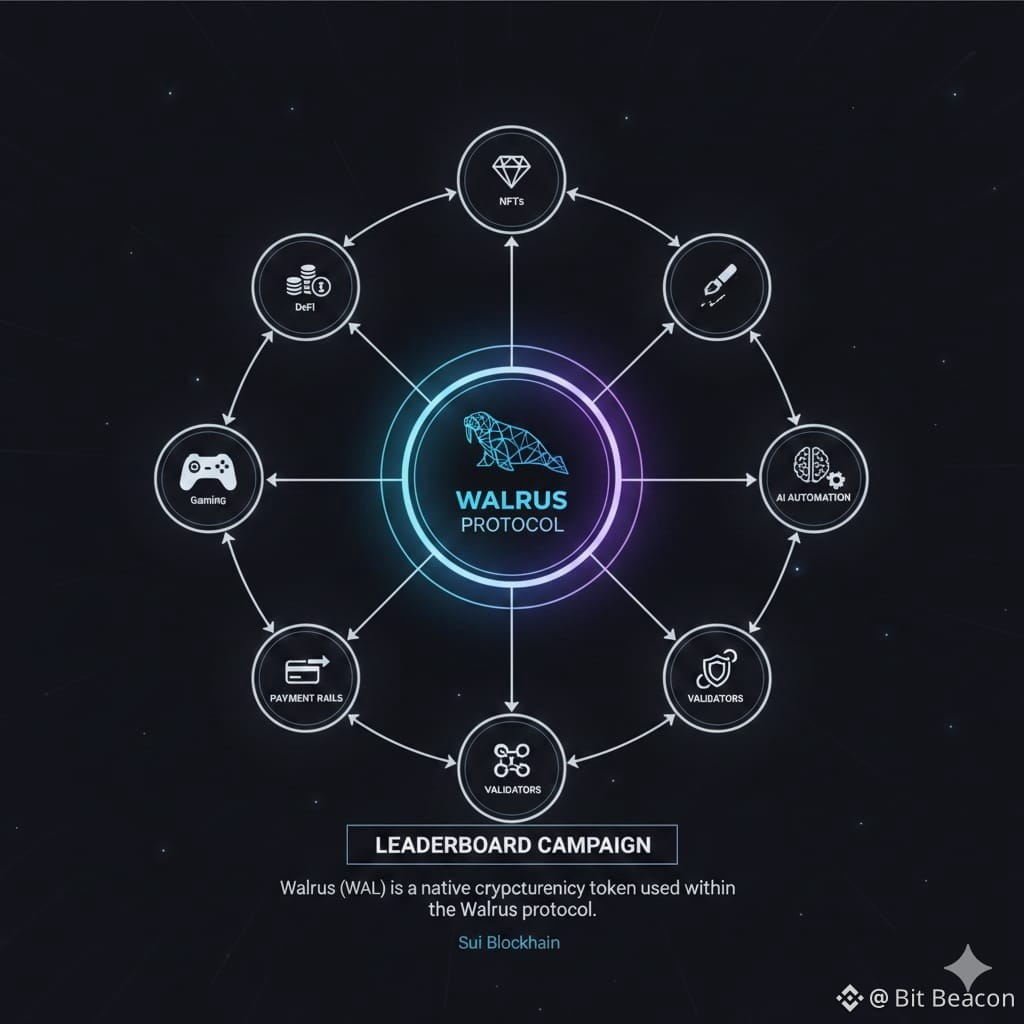
I am not writing this to hype a token or promise instant gains. I am writing because dependable, private, and affordable storage matters. In a world where centralized services can vanish overnight, Walrus is building something meaningful and lasting. It gives people back control of their digital lives, protects their memories and work, and ensures that our digital futures can be trusted. It is ambitious, human, and practical. If the project continues thoughtfully and carefully, it could quietly transform the way we store, protect, and trust our most important digital memories and creations. It becomes a network that feels alive, trustworthy, and truly ours.