

When I look at the current state of blockchain, one thought keeps coming back to me again and again most networks are still trying very hard to look impressive, instead of quietly trying to work well. We still measure success in loud metrics TPS numbers, flashy partnerships, short-term narratives but real-world adoption rarely fails because of ideology or lack of ambition. It fails because of friction. It fails because systems break under real usage, data cannot be trusted months later, workflows feel unreliable, and user experiences are clearly designed for insiders instead of normal people. That’s why @Vanarchain keeps pulling my attention, not as a hype story, but as an infrastructure story.
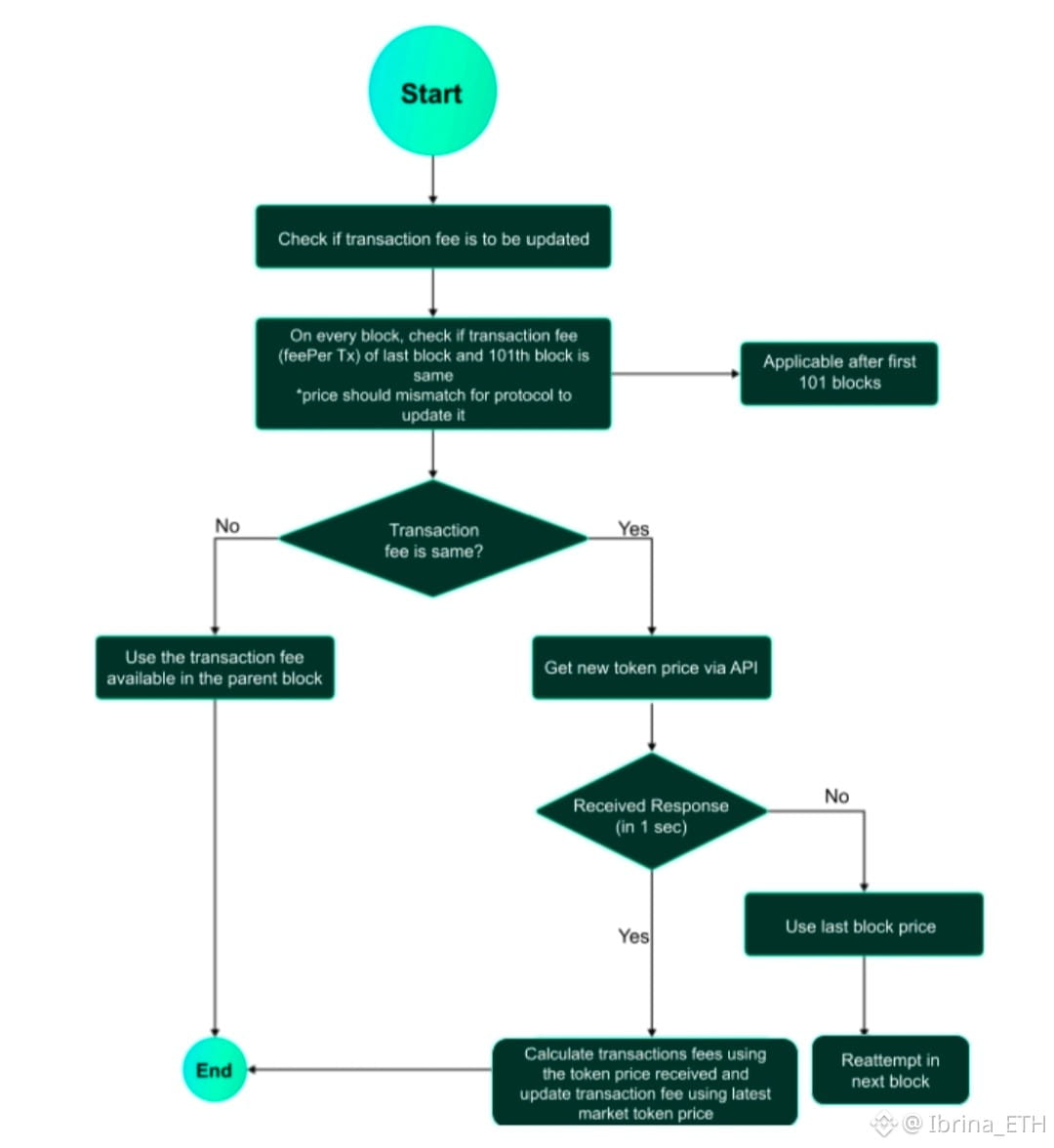
What feels fundamentally different in Vanar’s direction is that it doesn’t present itself like a bare chain competing on throughput alone. It behaves more like a full stack, and that matters more than most people realize. The moment you step into payments, tokenized assets, on-chain identity, consumer applications, or anything that resembles real products, you immediately hit the limits of “just a fast chain.” Most projects push complexity off-chain and call it a feature. Vanar, at least in its design philosophy, is attempting the harder path: pulling that complexity inward and structuring it, so data is not just a hash sitting somewhere in the background, but something that can be stored, referenced, verified, and reused cleanly over time.
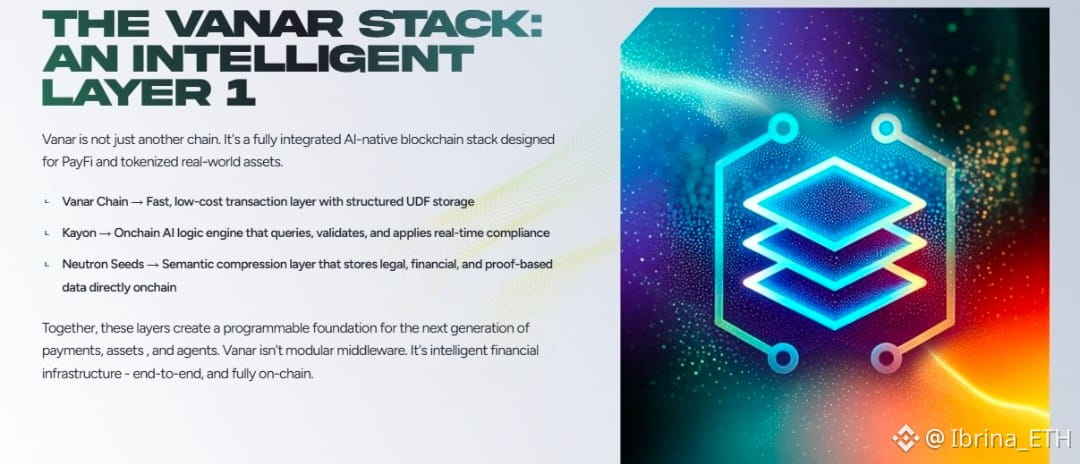
The part I personally watch most closely is not individual features, but how the internal pieces are meant to work together. Because architecture only becomes real when developers actually enjoy using it. This is where components like Neutron and Kayon stop being buzzwords and start signaling intent. One side of the system is focused on making information compact, durable, and usable on-chain. The other side is focused on making that information understandable and actionable through reasoning and validation. If that pairing becomes practical at scale, Vanar stops looking like “another Layer-1 narrative” and starts looking like an infrastructure choice for teams that care about building products that behave consistently under real usage, not just during demos.
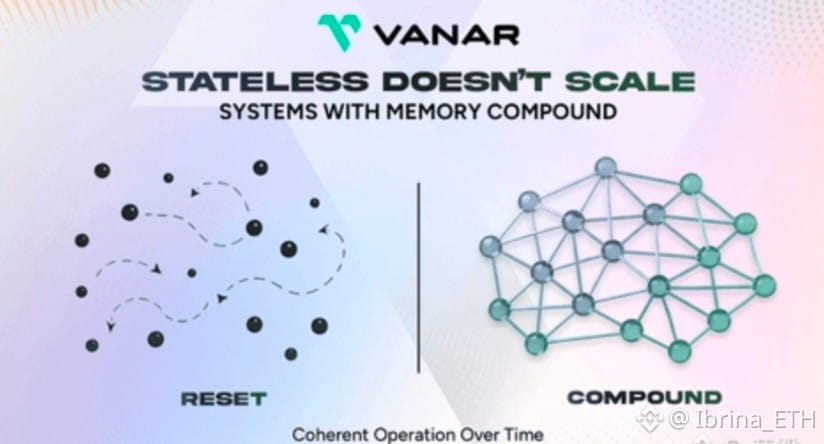
Vanar background also adds an extra layer of credibility that fresh tickers often lack. This is not a project appearing out of thin air with no operational history. Its lineage is connected to consumer-facing environments like Virtua, and that continuity usually brings two things at the same time: an existing community footprint, and higher delivery expectations. The market is forgiving when new projects are early. It is far less forgiving when rebrands fail to prove that the new identity is more than a new banner. In Vanar’s case, the new identity clearly leans into mainstream verticals, application rails, and infrastructure decisions meant to make Web3 feel less like a separate universe and more like a normal backend people happen to use.

One thing I appreciate is that @Vanarchain does not try to win by ideology. It does not obsess over abstract debates that matter mostly on crypto Twitter. Instead, it focuses on whether systems can actually be used without constant friction. This mindset shows up in the way it treats data, onboarding, cost predictability, and developer experience. These are boring topics if you are chasing fast narratives, but they are unavoidable if you are trying to onboard millions of users who do not care what a private key is, or why decentralization matters philosophically. They just want things to work.
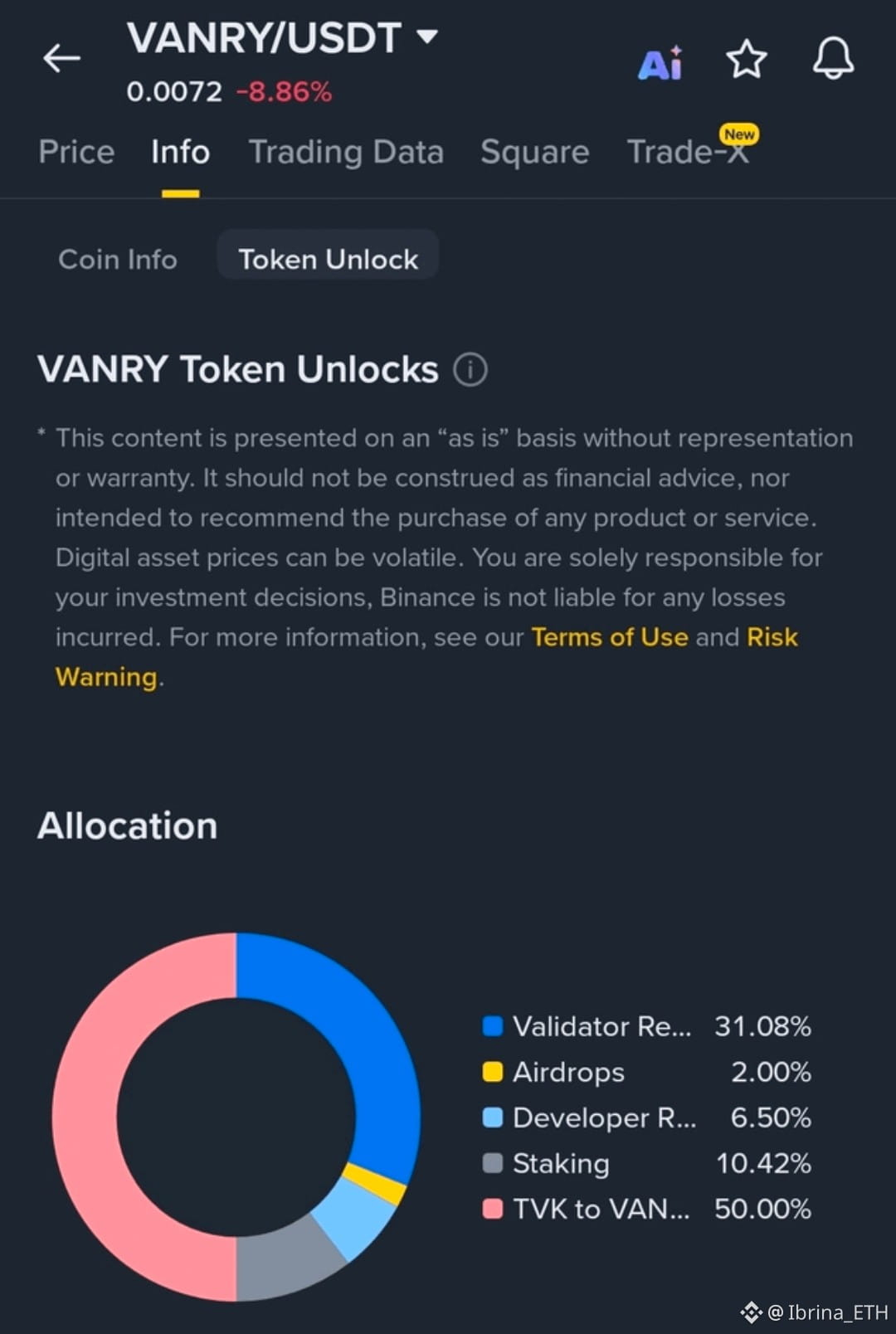
From a token perspective, I do not see VANRY as a separate story that exists in isolation. I see it as a reflection of execution. Tokens become strong when networks become useful in repeatable, everyday ways. Fees, activity, staking participation, and ecosystem usage create natural demand when people return to a product again and again. Tokens become weak when usage stays theoretical and disconnected from real behavior. That’s why I am far less interested in louder narratives and far more interested in patterns: builders shipping, users interacting, and the stack proving that it reduces friction instead of adding it. That is the moment when a project stops being explained and starts being experienced.
This direction is not the easy path. Building for real-world use forces a project to care about unglamorous details like data structures, reliability, tooling clarity, backward compatibility, and consistent developer experience. It forces ecosystems to grow through products people actually return to, rather than one-off hype spikes. It also forces patience, because these systems take longer to mature and rarely explode overnight. But if Vanar keeps pushing its stack into practical workflows, keeps tightening the “store, verify, act” loop implied by its architecture, and keeps making the chain feel invisible to end users while remaining dependable underneath, it has a real chance to become one of those networks that quietly accumulate relevance while louder projects cycle through attention.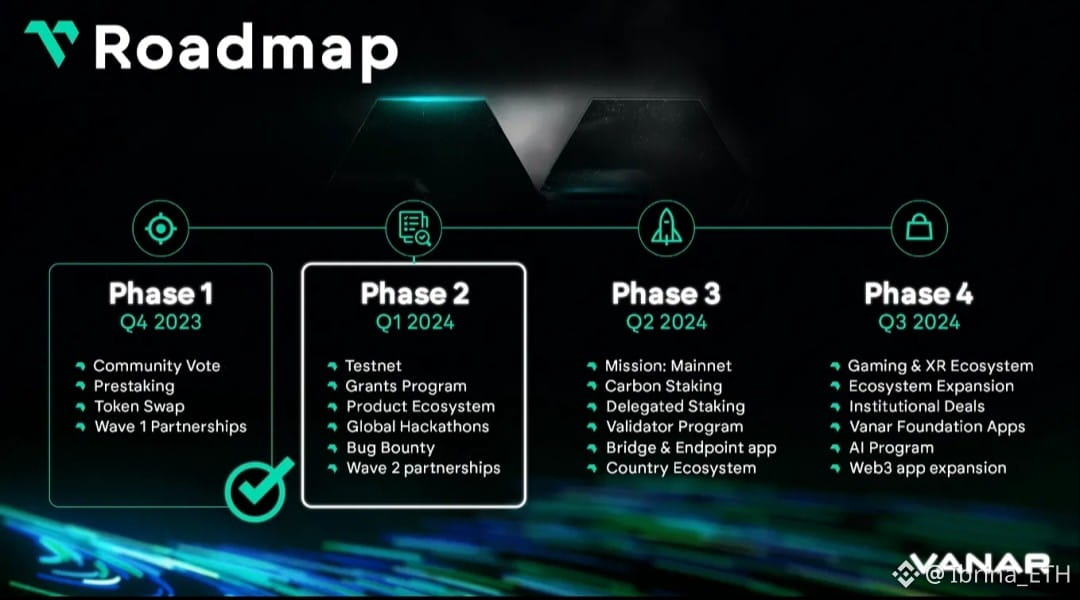
My overall takeaway is simple and grounded in observation rather than prediction. Vanar looks like it is trying to graduate from the usual Layer-1 playbook and move into a role where the chain is only one piece of a larger system designed for actual applications. I am watching for the point where its stack stops feeling like a concept and starts feeling like a habit for builders. Because that is the difference between projects that are always being described and projects that people simply start using, without needing a long explanation.

If blockchain is going to succeed at scale, it will not be because it is louder, faster, or more ideological. It will be because it becomes reliable enough to disappear into the background. Vanar, for better or worse, seems to be aiming exactly there.

And that is why it keeps my attention.