
One of the most common phrases traders use after a loss is:
“The market is manipulated.”
In reality, what most people call manipulation is simply liquidity doing its job.
What liquidity actually means
Liquidity is where orders exist:
stop-losses
breakout entries
resting limit orders
These orders usually sit at obvious levels:
equal highs and lows
previous day’s high/low
clean trendline touches
range highs and lows
When many traders see the same level, liquidity builds there naturally.
Why price moves into those levels
Price doesn’t move randomly, and it doesn’t move emotionally.
It moves to:
fill orders
test commitment
transfer risk from weak hands to strong hands
If price didn’t move toward liquidity, markets would be inefficient.
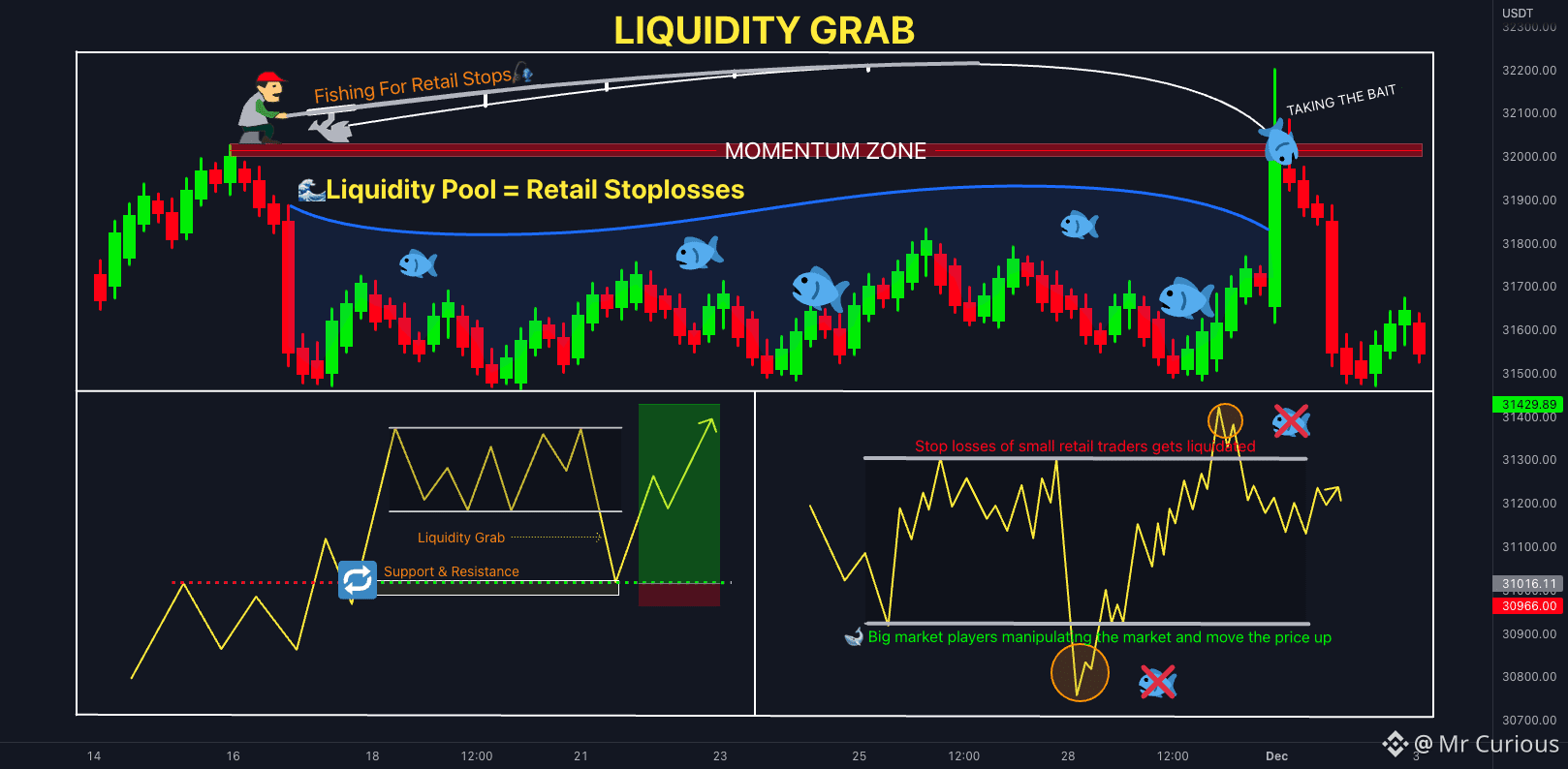
A move into stops is not an attack — it’s price completing a process.
The real misunderstanding
Retail traders often expect price to:
respect levels perfectly
reverse immediately
reward early entries
But markets don’t reward early confidence.
They reward correct timing and context.
That’s why price often:
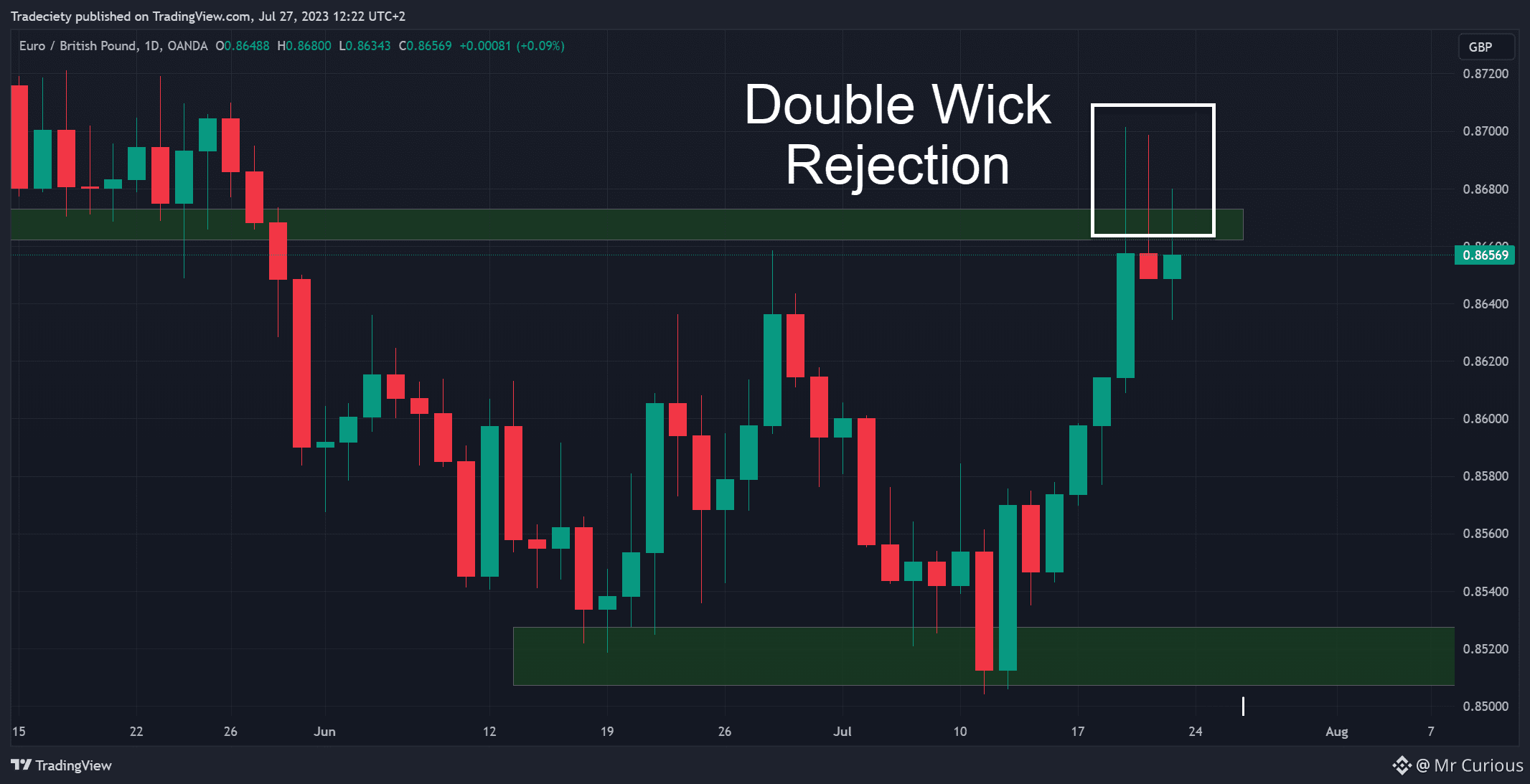
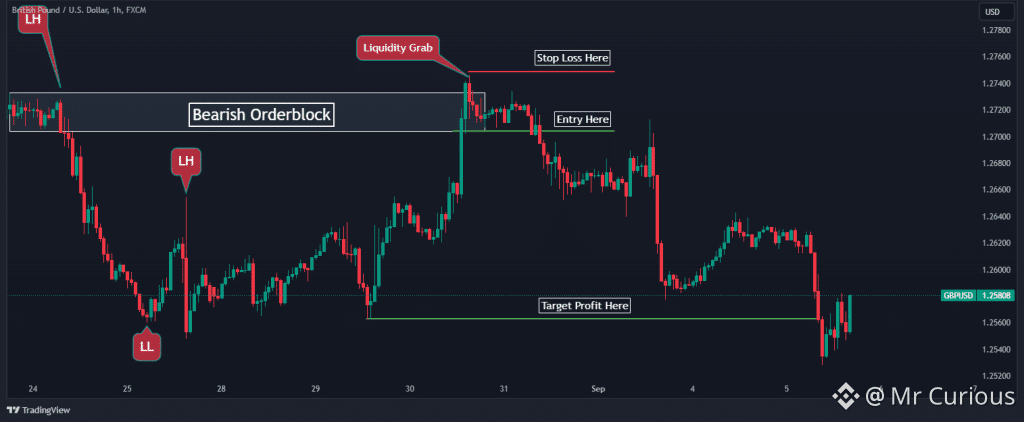
sweeps a high before dropping
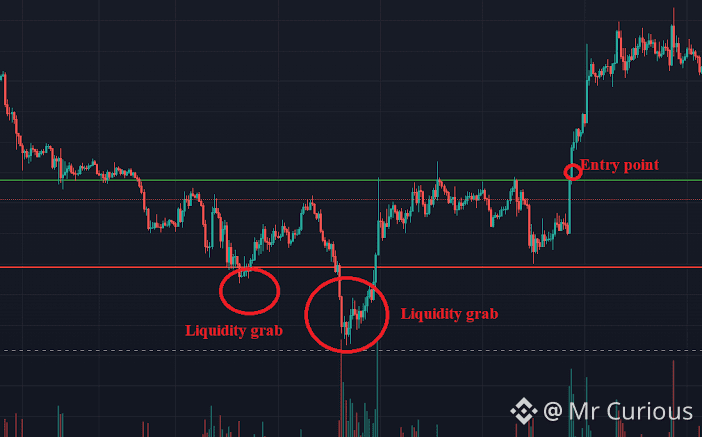
breaks a support before reversing
looks “wrong” before it looks right
Not because someone is hunting you — but because liquidity must be accessed.
Structure changes everything
Liquidity alone doesn’t define direction.
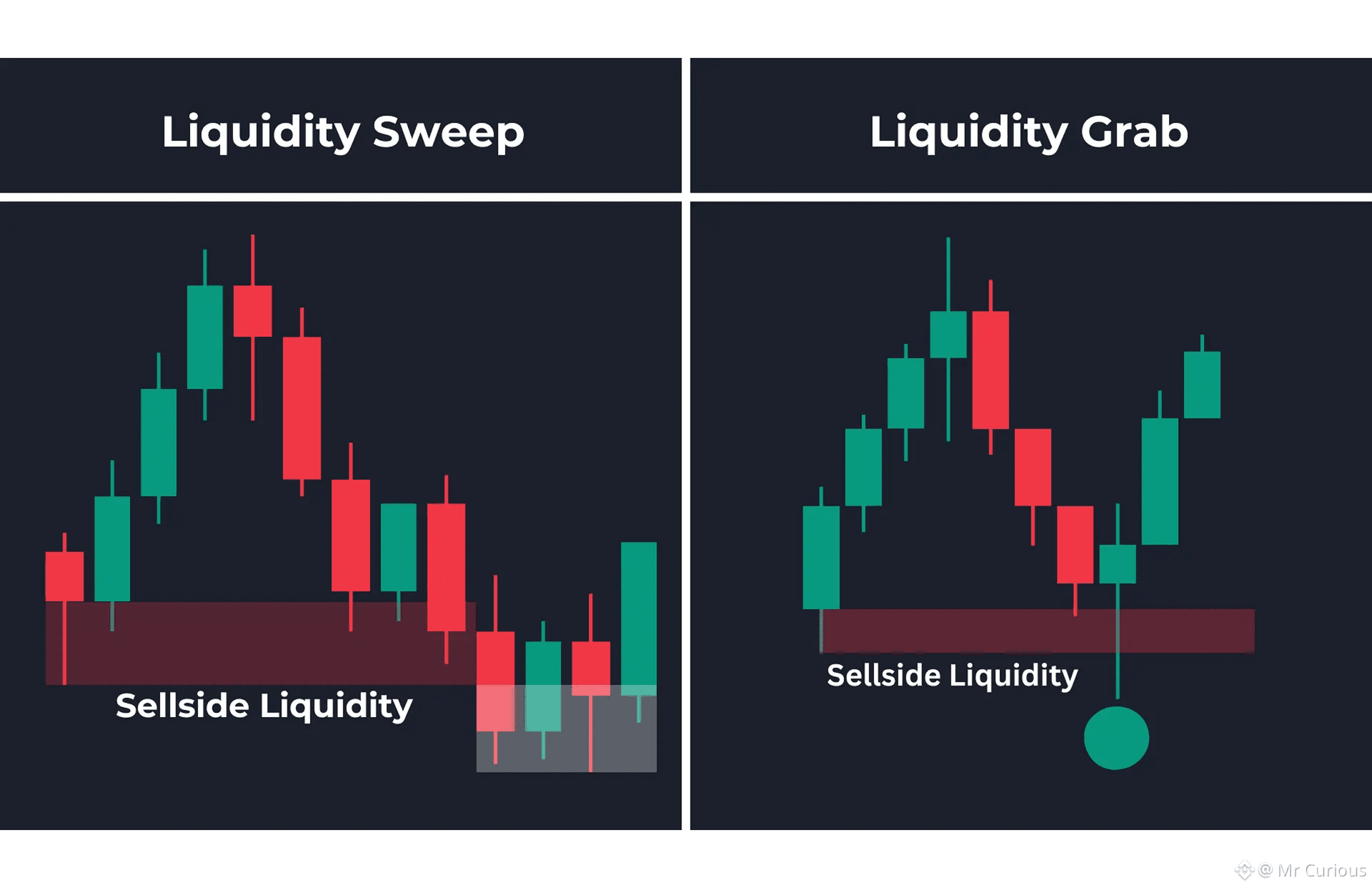
What matters is:
higher-timeframe structure
acceptance or rejection after the sweep
follow-through, not the sweep itself
A liquidity grab without confirmation is just movement.
A liquidity grab with structure is information.
The main lesson
Instead of asking:
“Why did the market hunt my stop?”
A better question is:
“Where was liquidity, and what did price do after reaching it?”
Understanding liquidity shifts your mindset from victim to observer.
And once you stop fighting liquidity, you start reading the market more clearly.
Do you usually enter before liquidity is taken — or wait to see how price reacts after?