
If you’ve been active on Binance Square or following crypto discussions recently, you’ve probably noticed Walrus ($WAL) being mentioned more and more. When people talk about the “live Walrus campaign,” they’re usually referring to the recent Binance-driven campaign activity and growing ecosystem attention around Walrus Protocol, a decentralized storage project built on the Sui blockchain.

In simple terms, Walrus is trying to solve a big problem in Web3 — how data is stored and verified. Most platforms today still rely on centralized servers to store information. Walrus aims to change that by distributing data across decentralized networks so it becomes harder to manipulate, easier to verify, and not controlled by a single company. This approach makes data more trustworthy and accessible without relying on centralized storage providers.
This idea matters more than ever as blockchain applications grow. DeFi platforms, games, AI tools, and prediction markets all need reliable ways to store and verify data. Walrus focuses on making data not only stored safely but also provably correct, which makes it attractive for projects needing transparency and security.
The sudden rise in attention came largely after Binance launched a CreatorPad campaign around Walrus in early January 2026. The campaign encouraged creators and traders to participate by posting content, trading the token, and engaging in discussions. Binance allocated around 300,000 WAL tokens as rewards, which attracted creators and communities eager to participate and share information about the project.
When campaigns like this gain traction, market activity often follows. Shortly after the campaign launched, WAL saw increased trading activity and a noticeable price move, with more people discovering the project. Liquidity improvements on exchanges also made trading smoother, allowing more participants to enter the market.
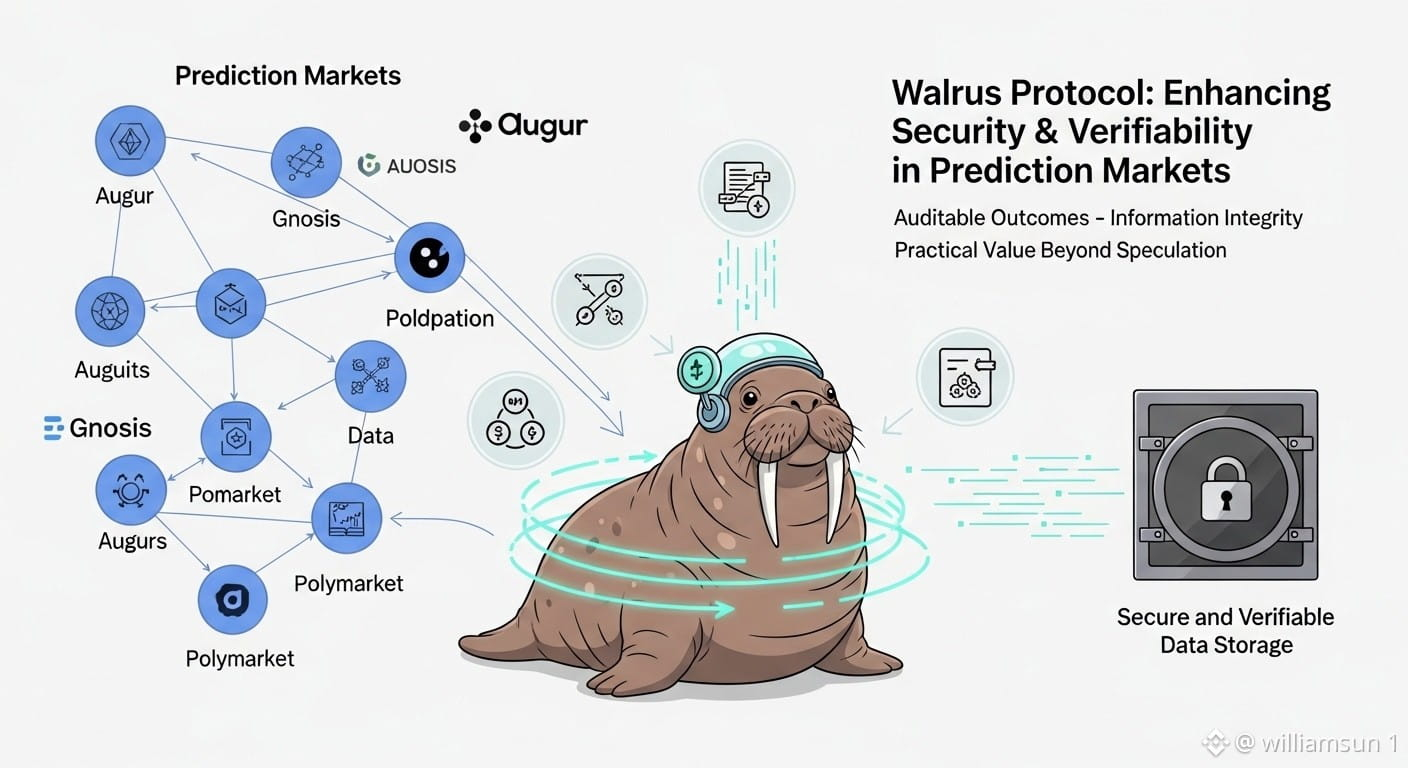
But the interest around Walrus isn’t only marketing-driven. The protocol is also making technical progress. One example is its integration with prediction market platforms, where stored data needs to remain secure and verifiable. By allowing outcomes and information to remain auditable, Walrus provides practical value beyond speculation.
Another reason the project is getting attention is its focus on verifiable data. As AI systems expand, concerns about fake data, biased datasets, and manipulated information continue to grow. Walrus promotes the idea of storing data in ways that allow anyone to verify its integrity, reducing reliance on centralized control. This narrative fits well with the direction Web3 infrastructure is heading.

Binance tends to support projects that provide long-term ecosystem value, and decentralized storage is considered a key piece of blockchain scalability. Without reliable data layers, many decentralized applications struggle to function efficiently. Walrus fits into this infrastructure vision, which partly explains why the project has gained visibility within Binance’s ecosystem.
Of course, it’s worth remembering that crypto markets are volatile. Campaign-driven excitement doesn’t always translate into long-term success. For Walrus to maintain momentum, it will need continued adoption, developer interest, and real usage beyond promotional campaigns.
Looking ahead, people will likely watch for more partnerships, integrations, exchange support, and ecosystem growth around the protocol. If development and adoption continue, Walrus could become an important component of decentralized data infrastructure.
Right now, though, one thing is clear: thanks to Binance campaigns, creator engagement, and real technical progress, Walrus has quickly moved from being a lesser-known storage protocol to one of the more discussed projects in early 2026. Whether this momentum turns into lasting impact will depend on how effectively the project continues building and expanding its ecosystem.#walrus