
In crypto, we usually connect “good projects” with excitement. Fast price movements, loud communities, constant updates, and something happening every day. When that energy fades, most of us automatically assume the project is losing relevance.
That is why my first experience with Plasma felt strange.
The first time I used it, I sent some USDT. The transaction went through smoothly. No delays. No strange fees. No technical issues. Everything worked exactly as expected. And yet, I felt a small sense of disappointment. Not because anything went wrong, but because nothing dramatic happened.
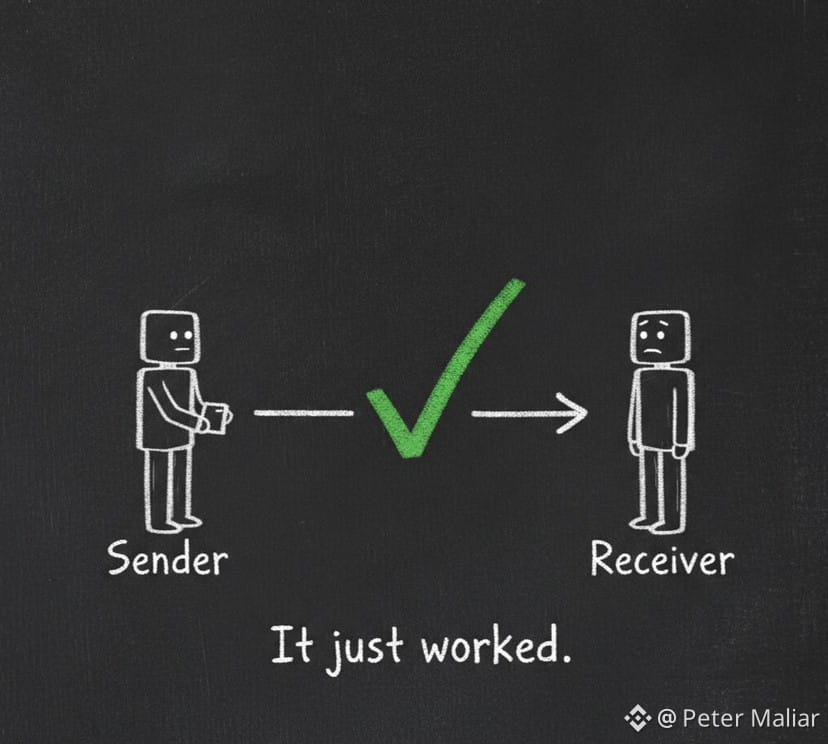
There was no rush, no adrenaline, no feeling of being early. It was just a normal transfer that quietly ended. In most parts of crypto, that kind of silence feels uncomfortable. We have been trained to believe that if something is not exciting, it must be failing.
So my instinct was the same. Maybe this is not worth paying attention to. Maybe I should look for something more “active.”
But I did not leave.
I kept using Plasma for small, everyday things. Sending funds, moving stablecoins, handling basic payments. Over time, I noticed something that slowly changed my perspective. It never changed. The speed stayed the same. The fees stayed predictable. The experience stayed simple. No matter what was happening in the market, Plasma behaved in the same calm way.
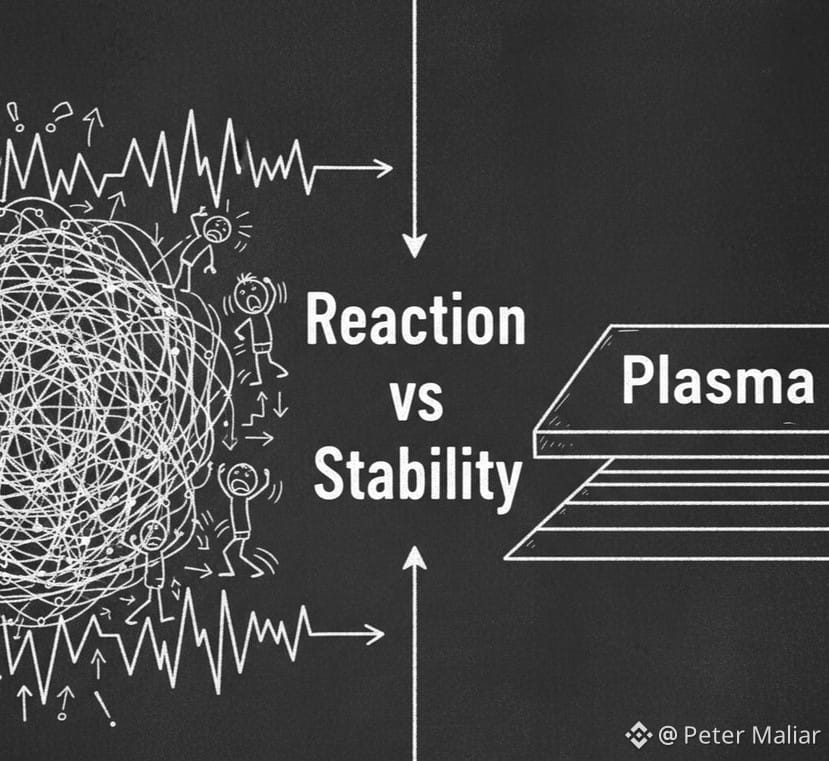
At first, that felt boring. Later, it started to feel comforting.
Most blockchains react to pressure. When usage grows, fees rise. When sentiment drops, teams launch campaigns. When attention fades, new incentives appear. Many networks constantly adjust themselves to keep users emotionally engaged.
Plasma does not do that.
It does not try to win you back when you feel uncertain. It does not amplify optimism when the market is green. It does not redesign itself to match trends. It stays inside a narrow, controlled system and keeps doing the same thing.
Over time, that stability changes how you behave as a user.
You stop checking gas prices. You stop worrying about timing. You stop preparing for surprises. You simply use the network without thinking too much about it. That is when it starts to feel less like a “crypto project” and more like basic infrastructure.
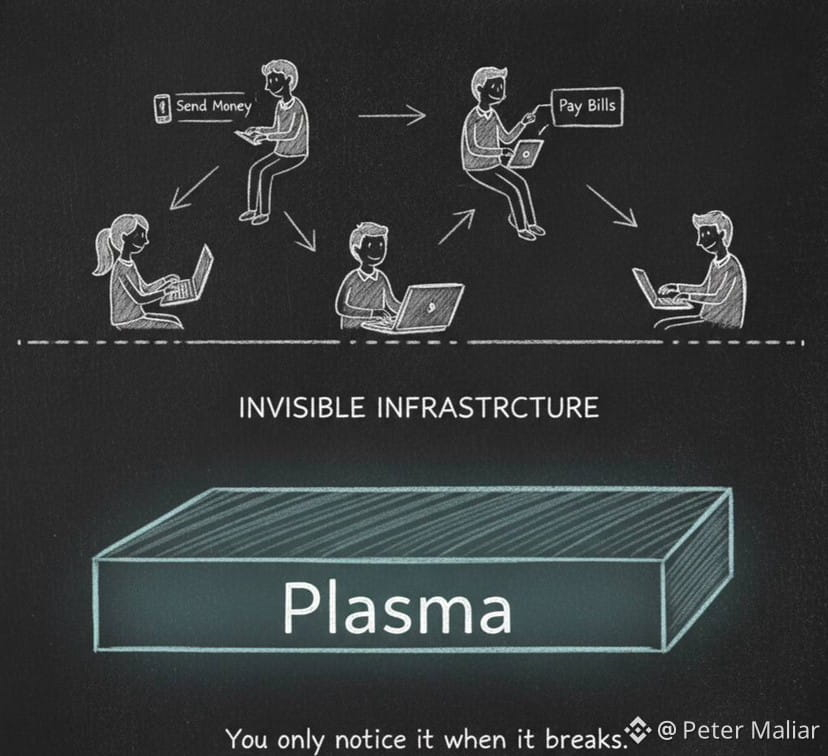
That is also when I realized my early disappointment was not really about Plasma. It was about my expectations. I was looking for excitement in something that was designed to remove it. I wanted emotional feedback from a system that was built to stay neutral.
The #XPL token follows the same philosophy. It is not designed to motivate people through hype or promises. Its role is practical. It aligns validators, secures the network, and keeps operations stable. It does not comfort holders during downturns. It does not try to manufacture confidence. It simply supports the system in the background.
Compared to louder ecosystems, Plasma does not chase users who hesitate. It does not try to convince everyone that it is special. It quietly waits.
And that waiting forces every user to face a simple question.
Are you here for entertainment, or are you here for something that works when you actually need it?
Plasma may never be the most exciting chain to talk about. It may never dominate headlines or social media. It may never deliver constant emotional highs. But after spending time with it, I have started to understand its real strength.
It is not trying to impress.
It is trying to last.
And in financial systems, lasting is often more valuable than being popular.