

Vanar Chain is a blockchain ecosystem designed to address one of Web3’s most persistent problems: how to scale decentralized applications for real-world use without sacrificing performance, accessibility, or security. Since launching in 2020, the project has positioned itself as an infrastructure layer optimized for gaming, entertainment, and immersive digital experiences—areas where traditional blockchains often struggle.
While much of the blockchain industry remains focused on finance-first use cases, Vanar Chain takes a broader approach. It aims to support mass adoption by building an environment where developers can create high-performance applications and users can interact with Web3 products without friction.
Origins and Vision
Vanar Chain began its journey on the Ethereum ecosystem, leveraging Ethereum’s security and developer tooling while addressing its limitations—most notably scalability and transaction costs. The project’s long-term vision is to enable seamless, high-throughput decentralized applications that feel indistinguishable from Web2 products in terms of speed and usability.
Rather than competing directly with every general-purpose blockchain, Vanar Chain focuses on vertical specialization. Its architecture and tooling are designed with gaming studios, metaverse builders, and digital content platforms in mind. This focus allows the network to optimize for use cases that demand frequent transactions, low latency, and smooth user onboarding.
Technical Architecture and Infrastructure
At its core, Vanar Chain is engineered for performance. The network emphasizes fast finality, low transaction fees, and scalable throughput—three elements that are critical for interactive applications. Games, virtual worlds, and NFT-driven platforms often require thousands of micro-transactions, something that many blockchains cannot handle efficiently.
Vanar Chain also prioritizes developer experience. By offering familiar smart contract frameworks and compatibility with existing tools, it reduces the learning curve for teams transitioning from other blockchain ecosystems. This strategy lowers barriers to entry and encourages experimentation and innovation.
Another important aspect of the architecture is interoperability. Vanar Chain is built to coexist with other blockchains rather than operate in isolation. Cross-chain compatibility allows assets and data to move more freely across ecosystems, which is essential in a fragmented Web3 landscape.
VANRY Token Utility and Economics
The VANRY token is the native cryptocurrency that powers the Vanar Chain ecosystem. It serves multiple roles within the network, making it central to both security and utility.
First, VANRY is used to pay transaction fees. By keeping fees predictable and relatively low, the network supports high-frequency use cases without pricing out users. Second, the token plays a role in network security and governance, aligning incentives between developers, validators, and token holders.
Tokenomics are structured to support long-term ecosystem growth rather than short-term speculation. A fixed total supply ensures scarcity, while distribution mechanisms are designed to fund development, incentivize participation, and reward contributors who help expand the network.
Focus on Gaming and Metaverse Applications
One of Vanar Chain’s most distinctive features is its emphasis on gaming and metaverse infrastructure. These sectors require more than just smart contracts—they demand real-time interactions, asset ownership, and scalable user experiences.
Traditional blockchains often introduce friction through slow confirmation times or high gas fees. Vanar Chain addresses these pain points by optimizing for speed and efficiency. This makes it possible for developers to build on-chain game economies, dynamic NFTs, and immersive virtual environments without compromising gameplay.
The metaverse angle is especially significant. As digital worlds become more complex and interconnected, the need for reliable blockchain infrastructure grows. Vanar Chain aims to serve as the backbone for these experiences, enabling persistent digital identities, interoperable assets, and decentralized ownership models.
Developer Ecosystem and Tooling
A blockchain’s success ultimately depends on its developers, and Vanar Chain recognizes this. The ecosystem provides SDKs, APIs, and documentation designed to streamline development and deployment. By reducing technical friction, the network encourages more teams to build and iterate quickly.
In addition, Vanar Chain supports partnerships with studios and platforms that already have existing audiences. This strategy helps bootstrap network activity and ensures that applications launched on the chain are not purely experimental but have real users from day one.
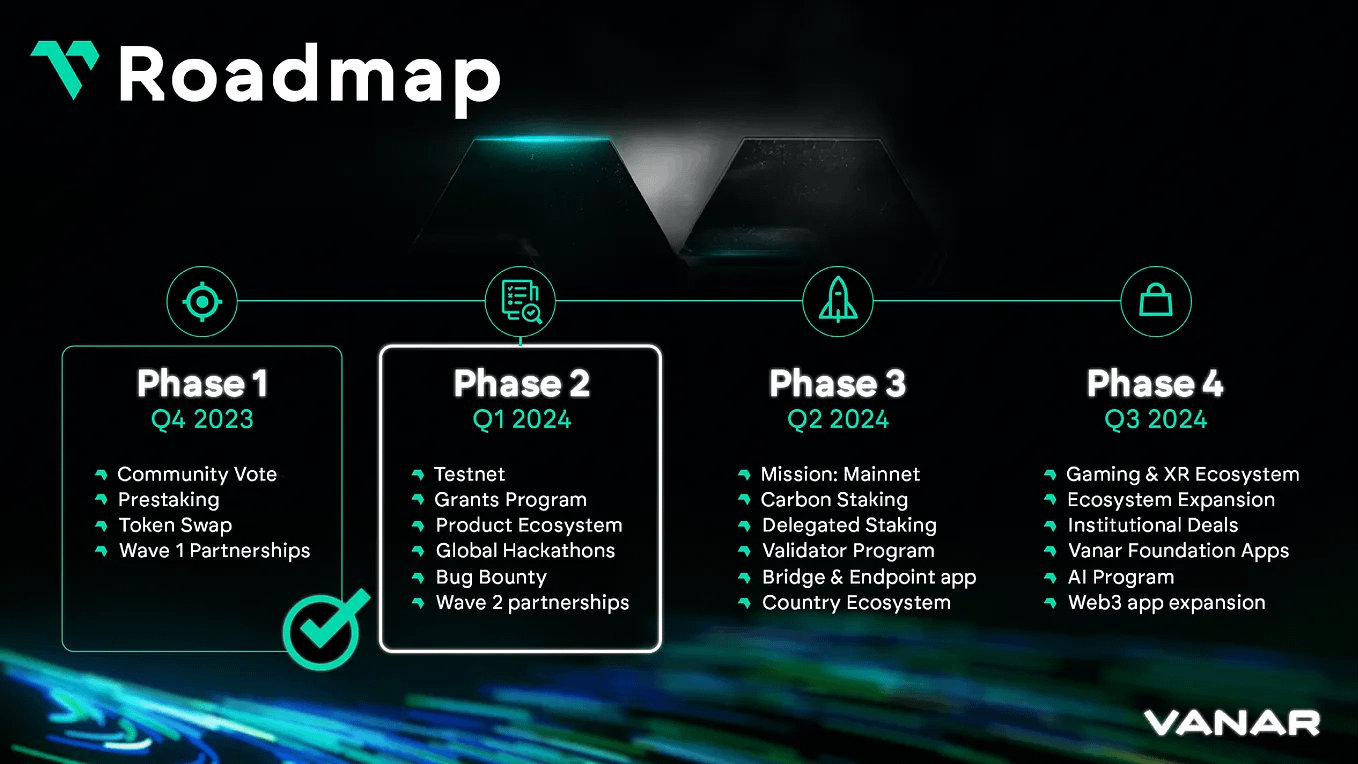
The project also emphasizes community involvement. Hackathons, grants, and collaborative initiatives play a role in expanding the ecosystem and fostering innovation.
Security and Reliability
Security remains a core concern for any blockchain platform. Vanar Chain builds on proven cryptographic principles and established smart contract standards to minimize risk. Regular audits and testing are essential components of the development process.
Equally important is network reliability. For applications like games or virtual worlds, downtime or instability can severely damage user trust. Vanar Chain’s infrastructure is designed to maintain consistent performance even during periods of high activity.
Challenges and Competitive Landscape
Despite its strengths, Vanar Chain operates in a highly competitive environment. Numerous Layer-1 and Layer-2 solutions claim to offer scalability and low fees. Standing out requires more than technical capability—it requires adoption.
The project’s narrow focus on gaming and immersive experiences can be both a strength and a limitation. While specialization allows for optimization, it may also restrict appeal outside those verticals. Success will depend on whether gaming and metaverse applications achieve the level of mainstream adoption that many in the industry anticipate.
Future Outlook
Looking ahead, Vanar Chain’s trajectory will be shaped by its ability to attract high-quality applications and sustain network activity. Continued improvements in tooling, interoperability, and user experience will be critical.
If the broader Web3 space moves toward entertainment, social interaction, and immersive digital worlds, Vanar Chain is well-positioned to benefit. Its emphasis on performance and usability aligns with the needs of next-generation decentralized applications.
Conclusion
Vanar Chain represents a deliberate shift away from one-size-fits-all blockchain design toward purpose-built infrastructure. By focusing on gaming, metaverse, and high-performance applications, it addresses a real gap in the current Web3 ecosystem.
Whether it becomes a foundational layer for immersive digital experiences will depend on execution, partnerships, and adoption. What is clear, however, is that Vanar Chain is not simply another blockchain—it is an attempt to redefine how decentralized infrastructure supports interactive, user-centric applications at scale. #Vanar @Vanarchain $VANRY