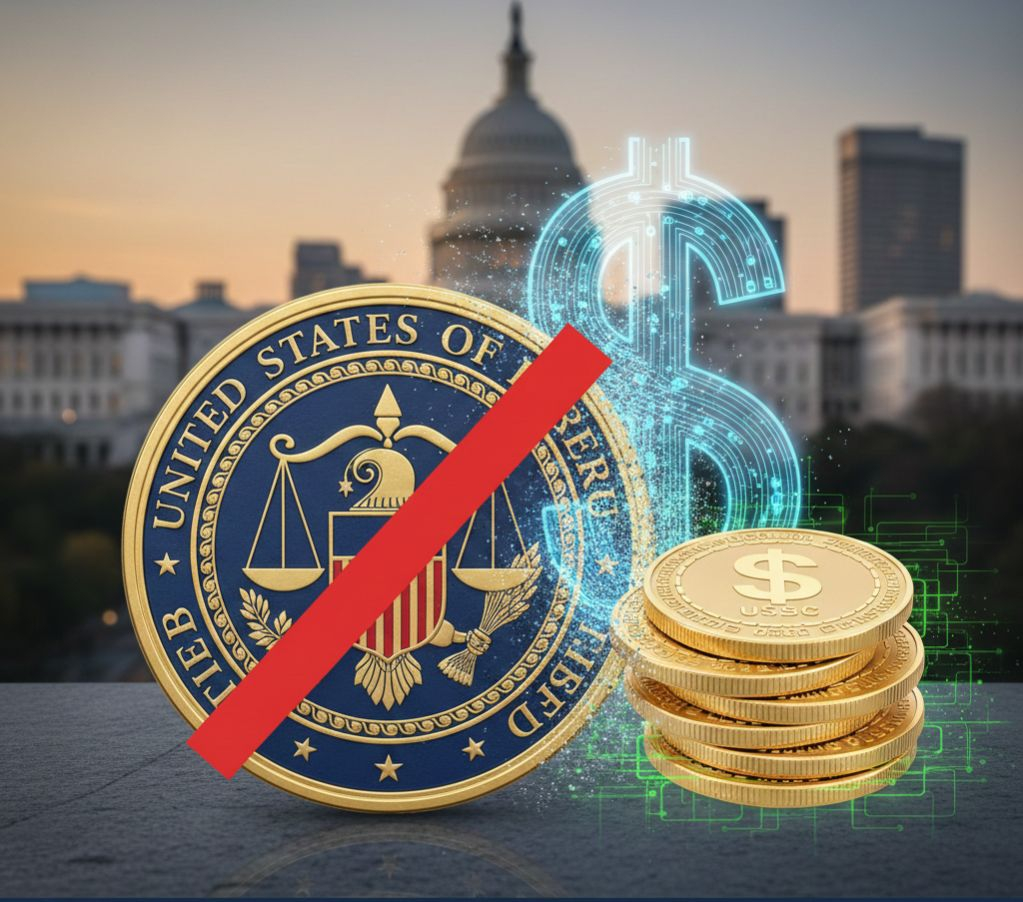
In a landmark move that has sent ripples through the global financial ecosystem, the U.S. Treasury Department has officially signaled a halt to the development and promotion of a Central Bank Digital Currency
(CBDC). This decision marks a definitive end to the "Digital Dollar" era as envisioned by previous administrations, shifting the focus toward private-sector innovation and stablecoin integration.
The Death of the "FedCoin"?
For years, the debate over a US CBDC centered on financial inclusion versus individual privacy. Critics argued that a government-controlled digital currency could lead to unprecedented surveillance of personal transactions. With the recent Executive Order 14178, the federal government has effectively:
Prohibited federal agencies from issuing or endorsing a CBDC.
Terminated existing research and pilot initiatives.
Prioritized the protection of individual privacy and financial sovereignty.
A Win for Stablecoins and Crypto?
The halt of the CBDC project isn't a retreat from digital assets; rather, it’s a strategic pivot. The Treasury is now expected to lean heavily into USD-backed stablecoins (like USDC and USDT) as the primary vehicle for maintaining dollar dominance in the digital age. By allowing the private sector to lead, the U.S. aims to foster a more competitive and decentralized "onshore" stablecoin market.
What This Means for the Market
Regulatory Clarity: Expect new frameworks (like the GENIUS Act) to solidify the legal status of stablecoins.
Privacy Protection: The removal of a government ledger reduces fears of "programmable money" that could restrict how citizens spend.
Global Competition: While China moves forward with the e-CNY, the U.S. is betting that open, public blockchains will ultimately provide more utility and trust.
The message is clear: The future of the digital dollar is private, permissionless, and decentralized.
#UStreasury #CBDC #CryptoNews #Stablecoins #DigitalDollars