

After a recent run-in with China Unicom’s so called “intelligent” customer support, I finally had a moment of clarity about why Vanar actually matters.
I called their broadband hotline because my home internet was down. The automated assistant immediately went off the rails. I said, “My internet isn’t working,” and it replied, “Do you want to upgrade your plan?” I clarified, “I need to report a fault,” and it jumped to, “Which indicator light is off?”
Ten minutes later, nothing was solved only my patience was gone.
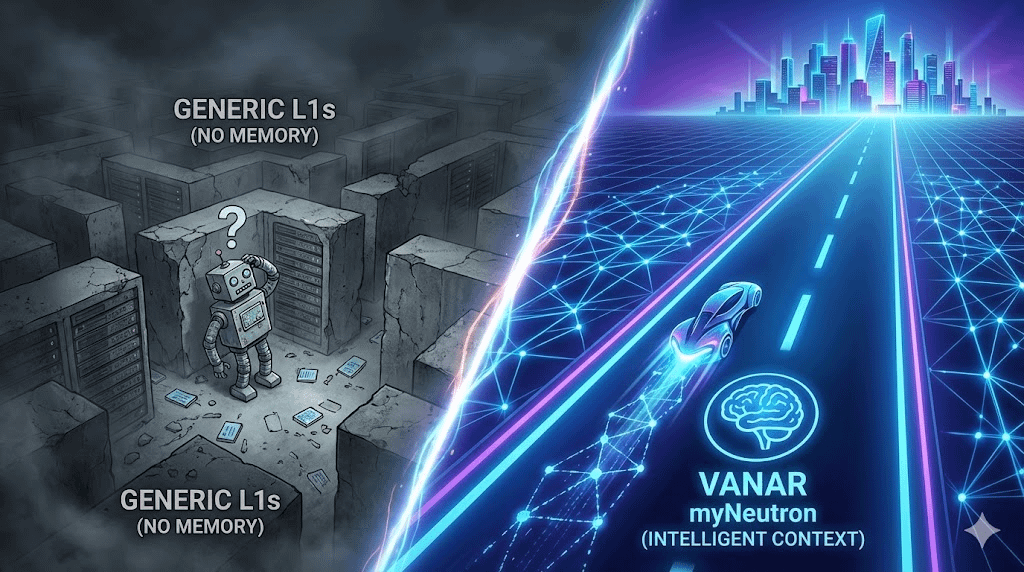
The core problem wasn’t speed. The system responded quickly. The problem was that it didn’t understand intent, couldn’t retain context, and treated every sentence as if it existed in isolation.
After hanging up, it struck me: most Web3 public chains work exactly the same way.
Look at today’s L1s. Everyone is shouting about TPS—tens of thousands of transactions per second. But this is just like a fast-talking robot that forces you to restate everything from scratch every time. The chain has no memory of you, no understanding of your behavior, no continuity. Every interaction is cold, mechanical, and repetitive: sign again, authorize again, pay again.
That’s why I’ve been paying close attention to Vanar’s underlying logic.
Vanar isn’t trying to be a louder or faster machine it’s trying to be useful. Its core tech, myNeutron, effectively gives the blockchain long-term memory. It can retain user behavior, historical interactions, and agent-to-agent context. Think of it as giving the chain a notebook instead of goldfish memory.
Once you have that, real AI becomes possible. The system doesn’t need you to repeat yourself. It understands intent. It behaves more like a trusted assistant than a vending machine.
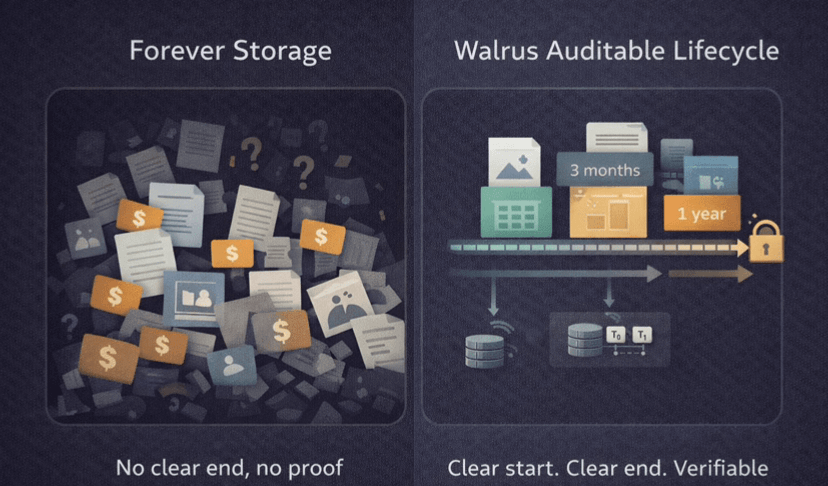
So the question is simple: will the future of Web3 belong to chains that are fast but mindless, or to infrastructure that can actually understand users and remember them?
The answer isn’t hard.
Strip away the buzzwords and marketing noise what $VANRY is doing is enabling Web3 to finally interact in a human way. Infrastructure that solves genuine pain points isn’t a seasonal narrative. It’s the kind of value that survives both bull and bear markets.