

Reliability in institutional systems isn’t proven when everything goes right. It’s proven in the quiet moments when something doesn’t. That’s a detail often missed in blockchain discussions, where success metrics dominate the conversation. From my perspective, what really defines trust in regulated finance is how calmly a system handles its own mistakes.
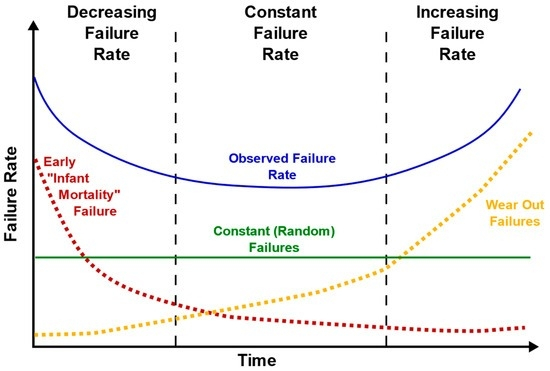
In institutional workflows, failure is not dramatic it’s procedural. Transactions are paused, approvals are revoked, numbers don’t line up on the first attempt. These events happen constantly and most of them never leave the internal systems that manage them. That separation is intentional. It allows teams to correct issues without triggering unnecessary reactions or external pressure.
Public blockchains tend to collapse this separation. Failed actions, partial attempts and intermediate states are often exposed immediately. While this level of openness may feel honest, it creates a very different operating environment. When every misstep is visible in real time, people behave differently. Decisions slow down. Risk tolerance drops. The system becomes cautious, not resilient.
What institutions rely on instead is controlled failure. Systems are designed so that mistakes can occur, be resolved and be documented without becoming events. Accountability still exists but it’s structured. Information is available when it’s needed not when it’s incomplete. This balance is what keeps large financial operations stable over time.
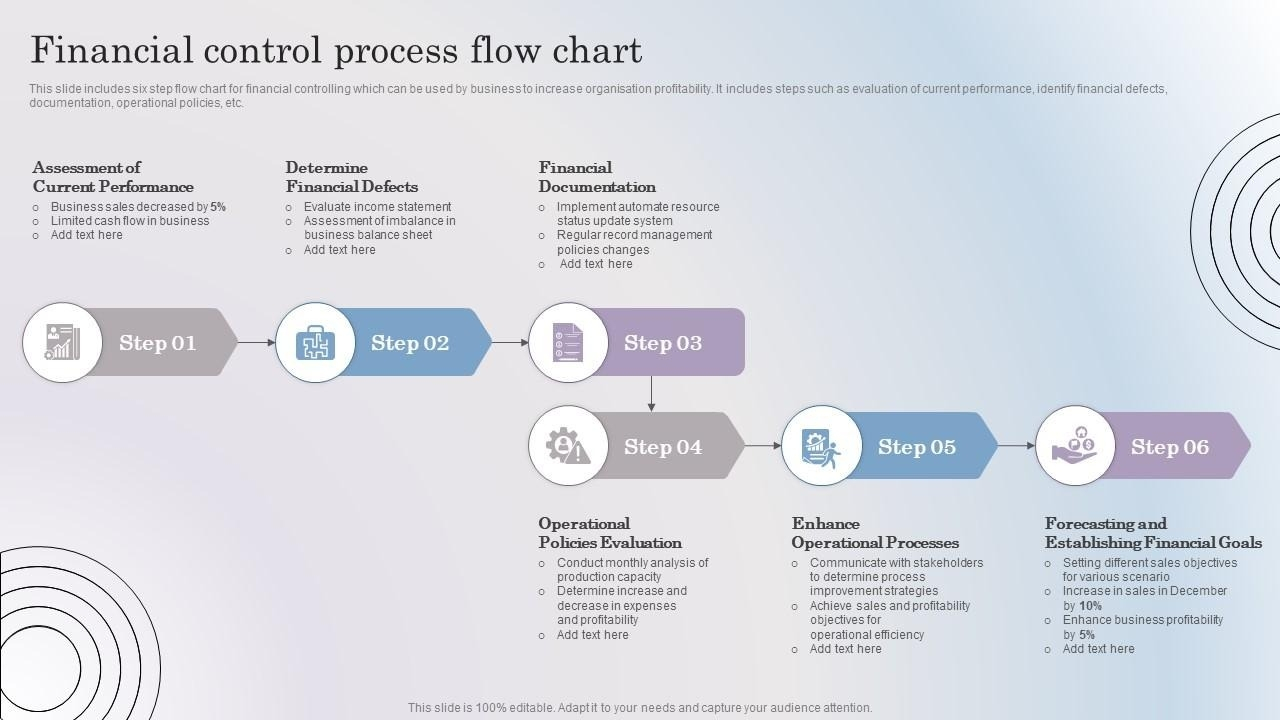
I’ve come to see this as a design principle rather than a policy choice. Reliable infrastructure doesn’t try to prevent failure altogether. It creates space for failure to happen safely. Rollbacks, staging layers and reconciliation processes are all examples of this logic at work in traditional finance.
That’s why infrastructure approaches like those explored by Dusk Foundation stand out in institutional contexts. By combining privacy with auditability, they allow systems to fail quietly while remaining fully verifiable later. The focus isn’t on hiding errors, but on managing them responsibly.
Over time, this distinction matters more than performance benchmarks. Institutions don’t trust systems because they promise perfection. They trust systems because they know what happens when something goes wrong.
True reliability in institutional blockchains comes from safe failure handling, not constant exposure.
