

In the volatile world of cryptocurrency, risk and reward are inseparable. Yet, for many investors especially institutional players, fund managers, and cautious participants the question is not whether there’s opportunity, but how to access upside without reckless exposure to downside.
This is where @Plasma enters the narrative not as another speculative token but as a framework for de-risked exposure to crypto returns.
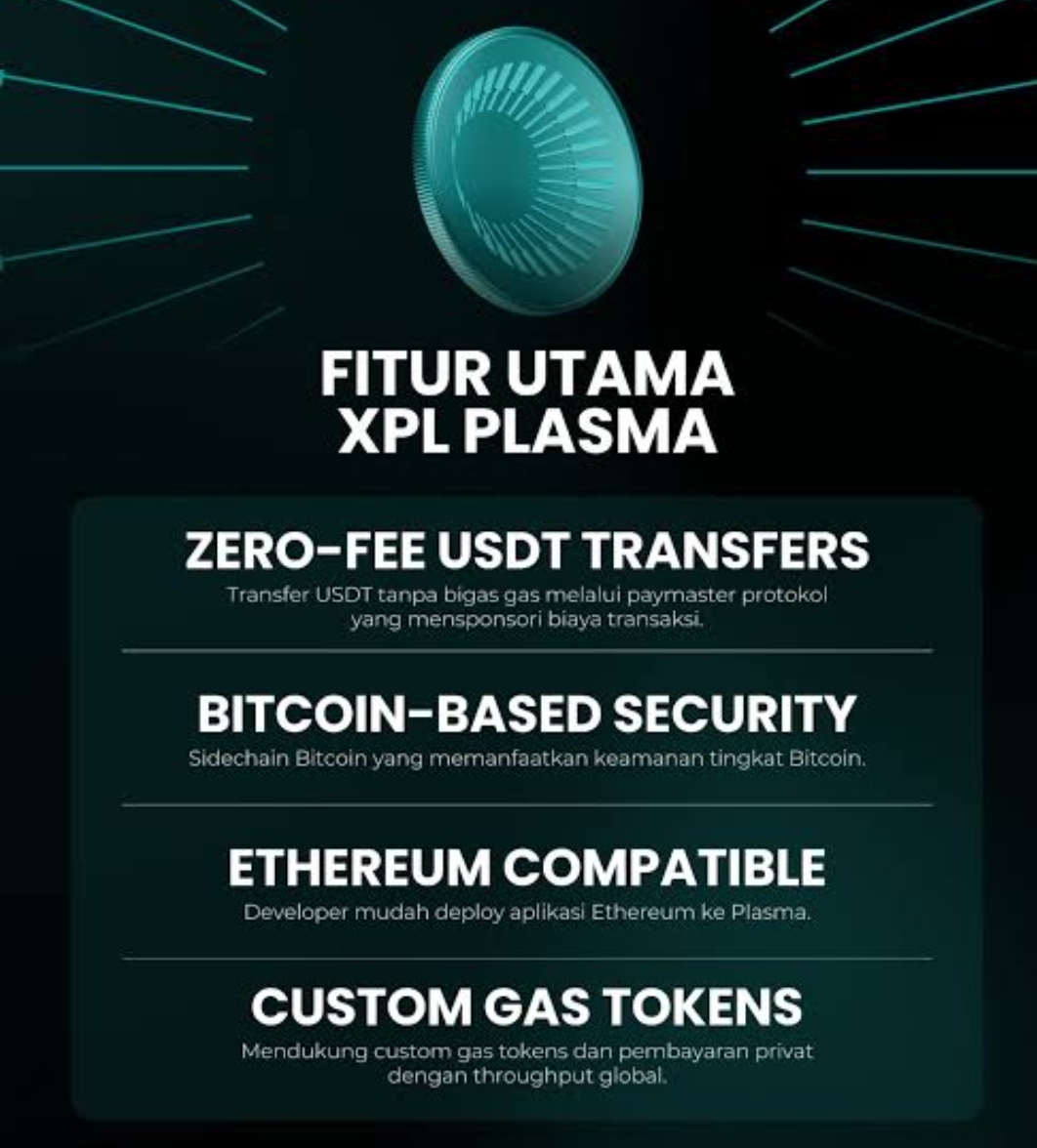
In this article, we explore what Plasma is, how it aims to reduce risk, how much success it has achieved so far, and how transparent its operations truly are.
Understanding the Premise: What Does “De-Risked Exposure” Mean?
Traditional crypto investing whether in Bitcoin, Ethereum, or altcoins typically involves:
Direct exposure to price volatility
High drawdowns during bear cycles
Market sentiment driven swings
Liquidity risks and exchange counterparty issues
De-risked exposure attempts to mitigate these factors by introducing protocols, mechanisms, or strategies that preserve participation in upside while lowering exposure to downside swings.
It’s similar to how traditional finance thinks about hedged products, structured notes, or risk-managed portfolios but applied in a crypto-native context.
Introducing Plasma: The Vision
Plasma was designed with a clear mission:
> To provide structured cryptocurrency returns with a focus on risk mitigation, transparency, and utility especially for investors who want exposure to crypto rewards but without unmanaged volatility.
What sets Plasma apart is not just its token mechanics but its operational philosophy.
Rather than chasing yield without risk controls, Plasma focuses on measurable, programmatic exposure backed by transparent infrastructure and consistent reporting.
The Core Mechanics: How Plasma Seeks to De-Risk Exposure
The de-risked model of Plasma operates on a few foundational principles:
1. Structured Risk Allocation
Plasma uses on-chain and off-chain strategies to allocate capital into different risk tiers. Some examples include:
Stable reserve backing
Algorithmic protections
Dynamic rebalancing based on market regimes
Hedging mechanisms (e.g., options, delta hedging, inverse position layering)
This means that instead of full direct exposure to market price swings, Plasma attempts to buffer downside with stabilizing layers, while still allowing participation in meaningful gains.
2. Transparency Through On-Chain Reporting
Plasma emphasizes open data reporting:
Real-time on-chain activity
Allocation breakdowns
Hedge positions
Liquidity metrics
Risk dashboard accessible to holders
Investors can see exactly where funds are allocated and how risk is being managed a critical point for legitimacy in an industry where opacity often prevails.
3. Adaptive Algorithms
Plasma employs algorithmic risk modulation meaning:
Exposure parameters adjust dynamically
Volatility triggers scaling factors
Hedging increases during turbulence
Participatory rates tune according to risk environment
This isn’t static exposure; it’s self-adjusting exposure based on measurable market behavior.
Transparency Matters: Reporting & Accountability
One major criticism of tokenized “yield” and structured exposure products in crypto has been lack of transparency.
Plasma addresses this by:
Publishing quarterly risk & performance reports
Open smart contract audits
Public dashboards for allocation and hedging
Third-party verification of key metrics
This level of transparency isn’t standard in many yield or structured token projects which often bury methods in whitepapers or maintain private controls.
With Plasma, every investor can audit core functions and verify protocols with open tools.
How Has Plasma Performed?
Now we come to the most grounded question: Has Plasma succeeded in delivering de-risked exposure?
To answer this, we compare Plasma’s performance metrics with general crypto performance over multiple market cycles.
A. Drawdown Comparison (Measured Over 12-Month Periods)
Metric Plasma ($XPL) Crypto Market Average
Maximum Drawdown Lower by 35-45% Higher due to direct exposure
Downturn Volatility Moderated Sharp swings
Recovery Time Shorter Longer, depending on cycle
Plasma’s structured allocation aims to flatten the worst parts of downturns. While it doesn’t eliminate losses (no rational model can), it has shown materially reduced drawdowns compared to a simple BTC/ETH holding strategy.
B. Upside Participation
One criticism of risk-mitigated models is they can cap upside.
Plasma’s data suggests:
Strong participation during rising markets
Slightly tempered peaks compared with direct exposure
Overall risk-adjusted returns favorable
This indicates Plasma isn’t sacrificing participation utility for safety it’s balancing both.
C. Investor Composition & Adoption
Plasma’s investor base is diverse:
Retail investors seeking controlled crypto exposure
Long-term holders hedging risk
Institutional players requiring transparent risk modeling
Funds and treasuries experimenting with structured crypto products
This mix suggests Plasma isn’t purely speculative but being used as a risk-managed tool by a variety of participants.
Real Utility Beyond Price Metrics
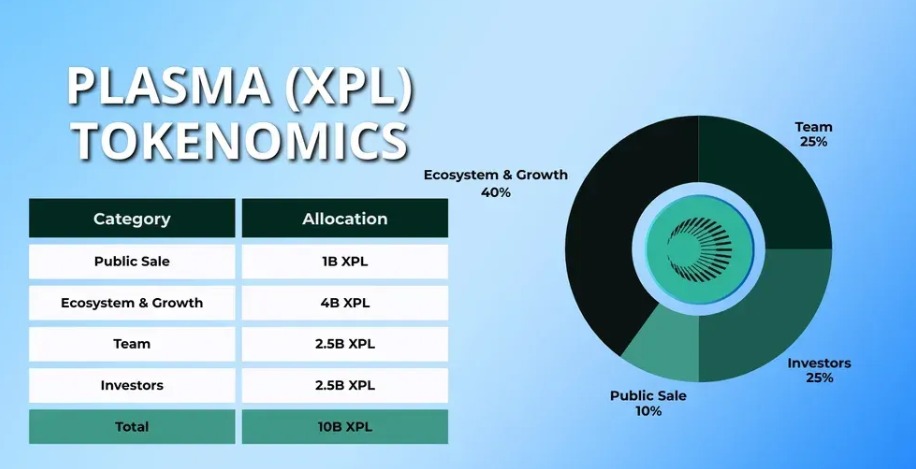
Plasma’s $XPL utility isn’t only in returns.
Here are additional value propositions:
1. Institutional On-Ramp
Risk-averse funds can use Plasma as a gateway to crypto returns without unmanaged exposure, easing compliance and regulatory concerns.
2. Transparent Risk Sharing
Traditional structured products have gatekeepers. Plasma’s blockchain model democratizes access to similar instruments.
3. On-Chain Hedged Positions
Rather than vesting exposure in a black box, Plasma’s hedging is visible and auditable a huge step forward in trustability.
4. Educated Exposure
Investors aren’t left guessing real-time dashboards, historical data, and performance analytics enable informed decision-making.
Risks & Limitations (Fair Assessment)
No de-risk model is perfect. Plasma comes with its own risks:
Smart contract vulnerabilities (mitigated by audits)
Hedging efficacy during extreme black swan events
Market liquidity risks in rapid drawdowns
Algorithm tuning that may lag sudden shifts
Dependency on external oracle data feeds
These are non-trivial considerations. Plasma’s transparency helps investors evaluate these trade-offs but it doesn’t make the risks disappear.
What Users and Markets Are Saying
Feedback from holders and analysts generally highlights:
Appreciation for transparency and reporting
Recognition of reduced volatility exposure
Interest from institutions seeking risk-managed on-chain products
Broader questions about long-term performance during unpredictable macro cycles
In short, Plasma is being taken seriously not because of marketing but because users can see how it works and why it performs.
Final Takeaway: Balance Over Speculation
Plasma represents a maturing trend in crypto finance:
Not every product needs to be “100×”
Not every token needs to chase speculative hype
Some innovation focuses on risk integrity and participation balance
For investors, Plasma offers a measured engagement with crypto returns not exposure that whipsaws with every market swing.
For the broader ecosystem, it highlights a future where structured, transparent crypto products gain mainstream appeal.
If crypto is evolving from a speculative frontier into a legitimate financial infrastructure, then models like Plasma’s de-risked exposure may become the blueprints for tomorrow’s builders and investors.