

Liquidity in the current market often acts like a receding tide, revealing which projects have built actual foundations and which were merely floating on sentiment. Recent shifts suggest that capital is no longer satisfied with high-frequency churn; it is looking for retention. When we see a "risk-off" environment, the tokens that maintain a steady presence are those where the circulating supply is actively engaged in the network's internal economy rather than just sitting on order books.
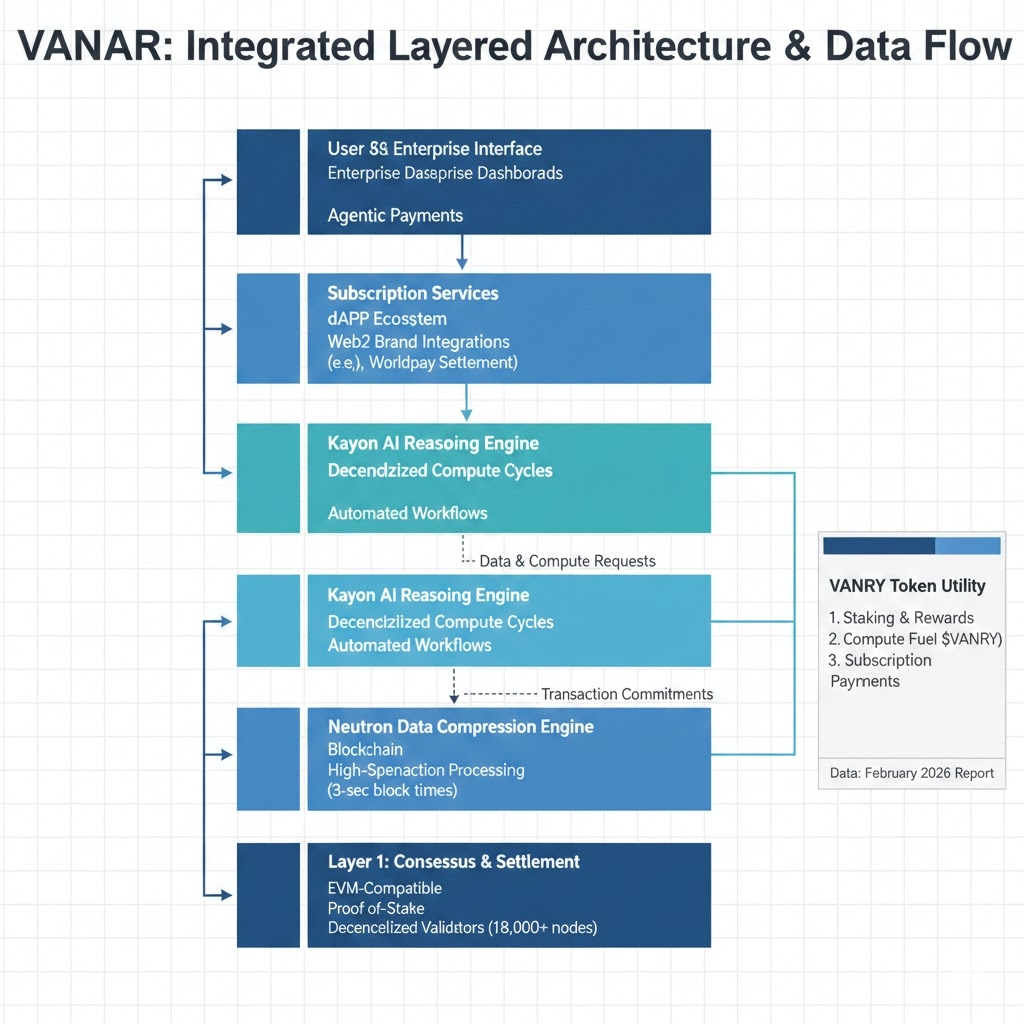
The transition of the @Vanarchain ecosystem toward a subscription-based utility model marks a specific change in how on-chain value is captured. By moving core tools like the Neutron compression engine to a recurring payment structure in early 2026, the protocol creates a consistent buy-side pressure that is tied to software usage rather than speculative cycles. For instance, the V23 protocol upgrade in late 2025 significantly increased the node count to over 18,000, proving that infrastructure providers are willing to commit resources when the technical architecture offers stable 3-second block times. How does a shift from one-time transaction fees to recurring service models change your perspective on long-term network sustainability?
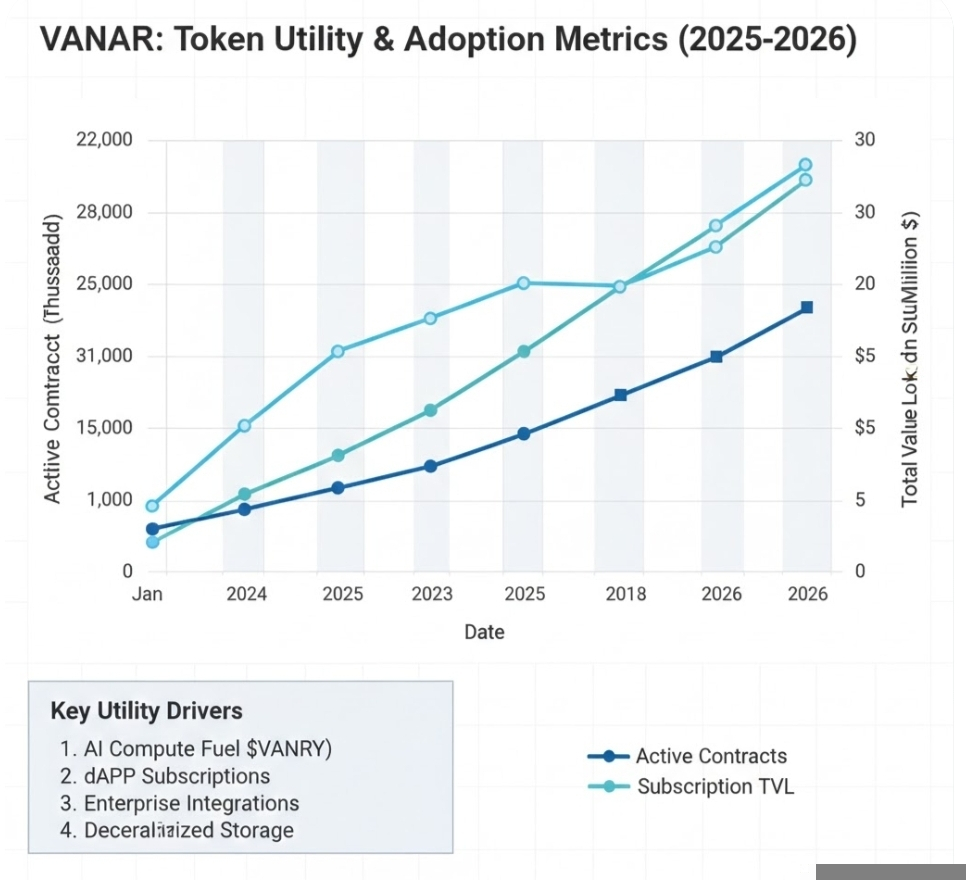
For contributors and participants, the practical reality is that #Vanar is pivoting toward an "intelligence layer" identity. As of February 2026, the integration of the Kayon AI reasoning engine means that $VANRY functions as the mandatory fuel for decentralized compute cycles, not just simple value transfers. This creates a feedback loop where the success of the 5-layer stack depends on developer retention and the successful execution of automated workflows. The move toward "agentic payments" through partnerships like Worldpay indicates that the focus has shifted to the "boring" but essential work of payment settlements and data storage. Success in this phase is measured by the steady growth of active contract addresses rather than temporary price spikes.