
Every blockchain begins with a question. Vanar began with a quiet but uncomfortable one: why does blockchain feel powerful in theory, yet distant in daily life? Early builders watched developers race to outdo each other with faster chains, cheaper gas, and complex tooling. But ordinary people were still locked out. Wallets felt intimidating. Fees felt unpredictable. The language felt foreign. If this technology was meant to belong to everyone, something fundamental had to change.
That early idea shaped what would later become . Instead of asking how to attract more developers, the team asked how to make blockchain feel natural for people. Not users as numbers, not wallets as abstractions, but humans who want to play, create, transact, and belong without learning a new technical religion first. I’m not building for whitepapers alone, they seemed to say. They’re building for lived experience.
Vanar’s architecture reflects this philosophy. It is a Layer 1 blockchain, but one designed around accessibility rather than raw technical bravado. Full EVM compatibility allows existing smart contracts and tools to work without friction, which matters because adoption doesn’t start from zero. But beyond that familiarity, Vanar focuses on reducing invisible friction. Transactions are designed to feel instant. Fees are predictable and low. The system prioritizes performance stability over theoretical peak throughput, because if it becomes unreliable under load, people leave.
At the core, Vanar uses a high-performance consensus design optimized for real-time applications such as gaming, digital identity, and interactive media. Finality is fast enough that actions feel immediate, not delayed or uncertain. This matters because humans experience time differently than machines. If a transaction takes several seconds to confirm, it breaks immersion. If it fails unexpectedly, trust erodes. Vanar treats these moments not as technical footnotes, but as emotional touchpoints.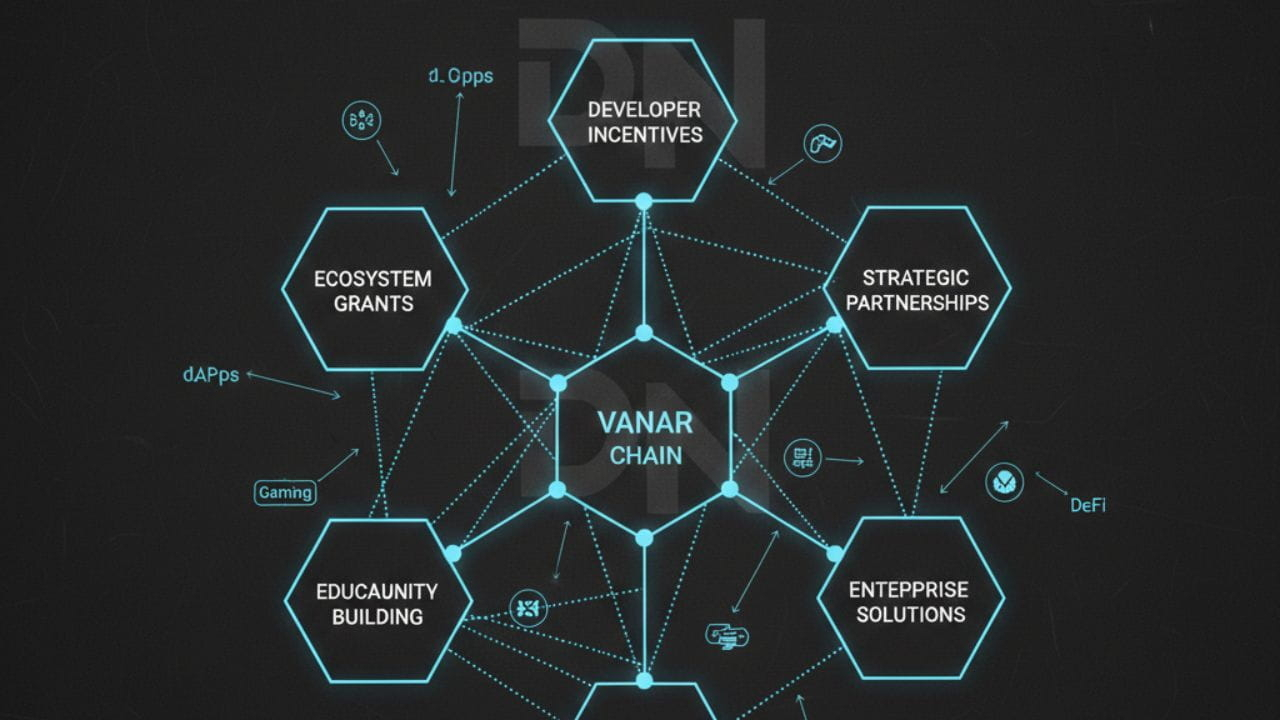
The design choices also reflect a belief that blockchain adoption will come through culture before finance. Gaming, entertainment, and digital ownership are not side narratives here. They are central. If people can earn, trade, or express identity inside environments they already love, blockchain stops feeling like an external system and starts feeling like infrastructure. If it becomes invisible, it becomes powerful.
Performance metrics, then, are not only about transactions per second. They’re about retention, session length, and how often users return without being prompted by incentives. We’re seeing that chains built for speculation spike quickly and fade just as fast. Vanar’s focus is slower, more patient. Adoption is measured by partnerships that actually ship products, by creators who stay, and by communities that grow without constant subsidy.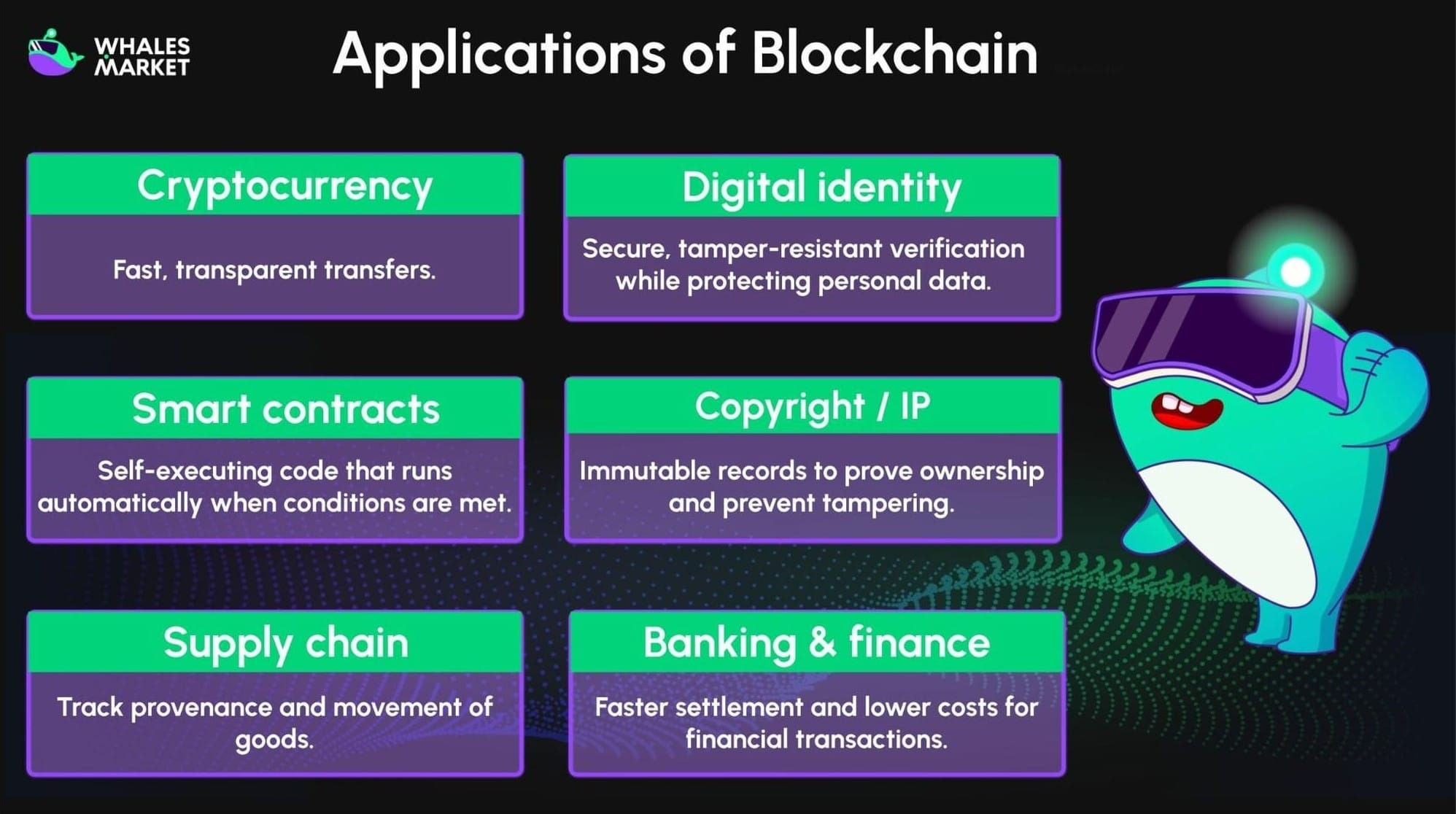
Of course, risks exist. Competing Layer 1 chains are crowded, and narratives shift quickly. If tooling stagnates or if developer incentives dry up, momentum can slow. There is also the risk that simplifying user experience too much hides important trade-offs, creating complacency. The team’s response has been to invest heavily in infrastructure, audits, and long-term partnerships rather than chasing short-term hype. They’re not trying to win every cycle. They’re trying to survive all of them.
Looking forward, Vanar’s growth is likely to come from integration rather than isolation. Cross-chain compatibility, enterprise-facing solutions, and consumer platforms built directly on top of the network will matter more than marketing slogans. If it becomes easier for someone to interact with blockchain without knowing they are doing so, the original question has been answered.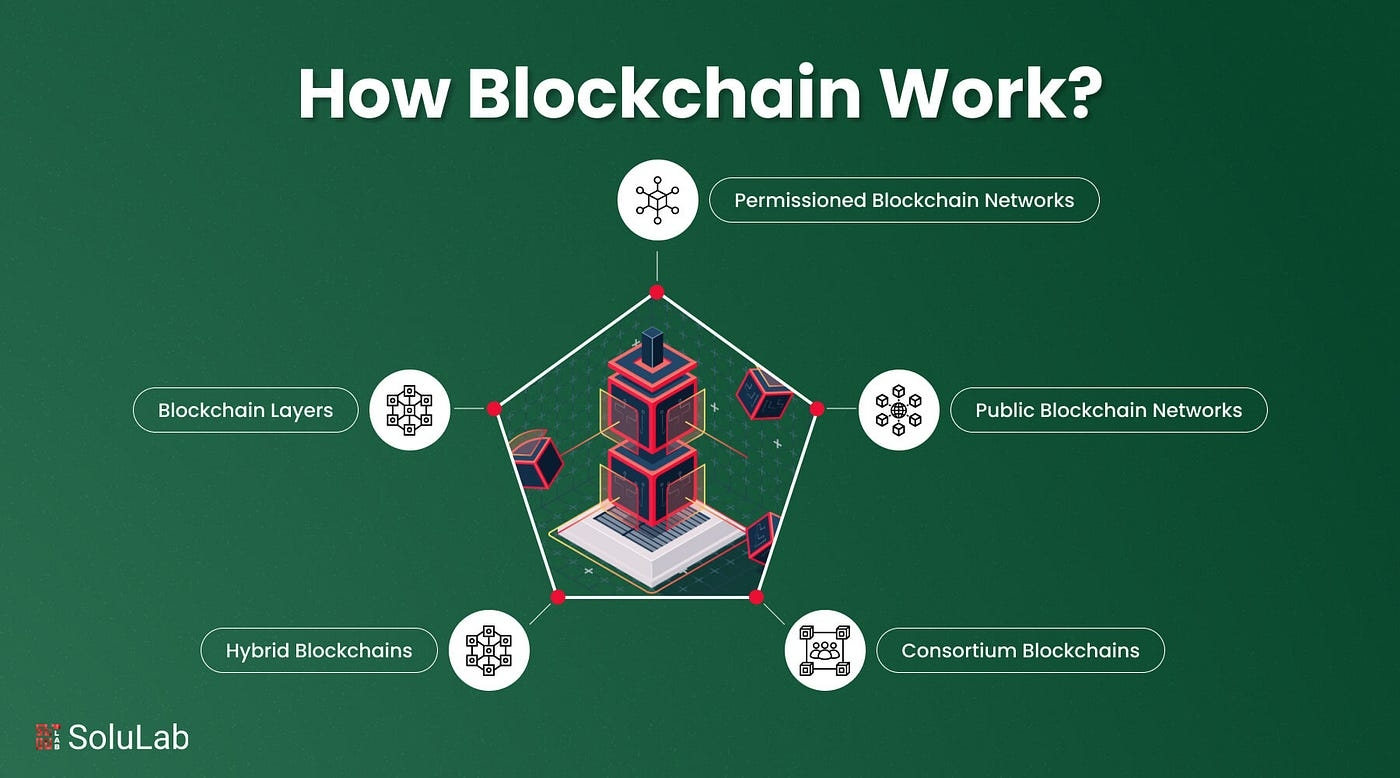
In the end, Vanar is less a rebellion against developers and more an expansion of focus. Developers are still essential. But if people don’t feel welcome, nothing lasts. If technology does not translate into lived value, it becomes noise. And if it becomes We’re seeing real people use it without fear or friction, then blockchain finally begins to grow up.
The real test won’t be in benchmarks or headlines. It will be in whether someone uses Vanar one day and never feels the need to ask what blockchain they’re on at all.
